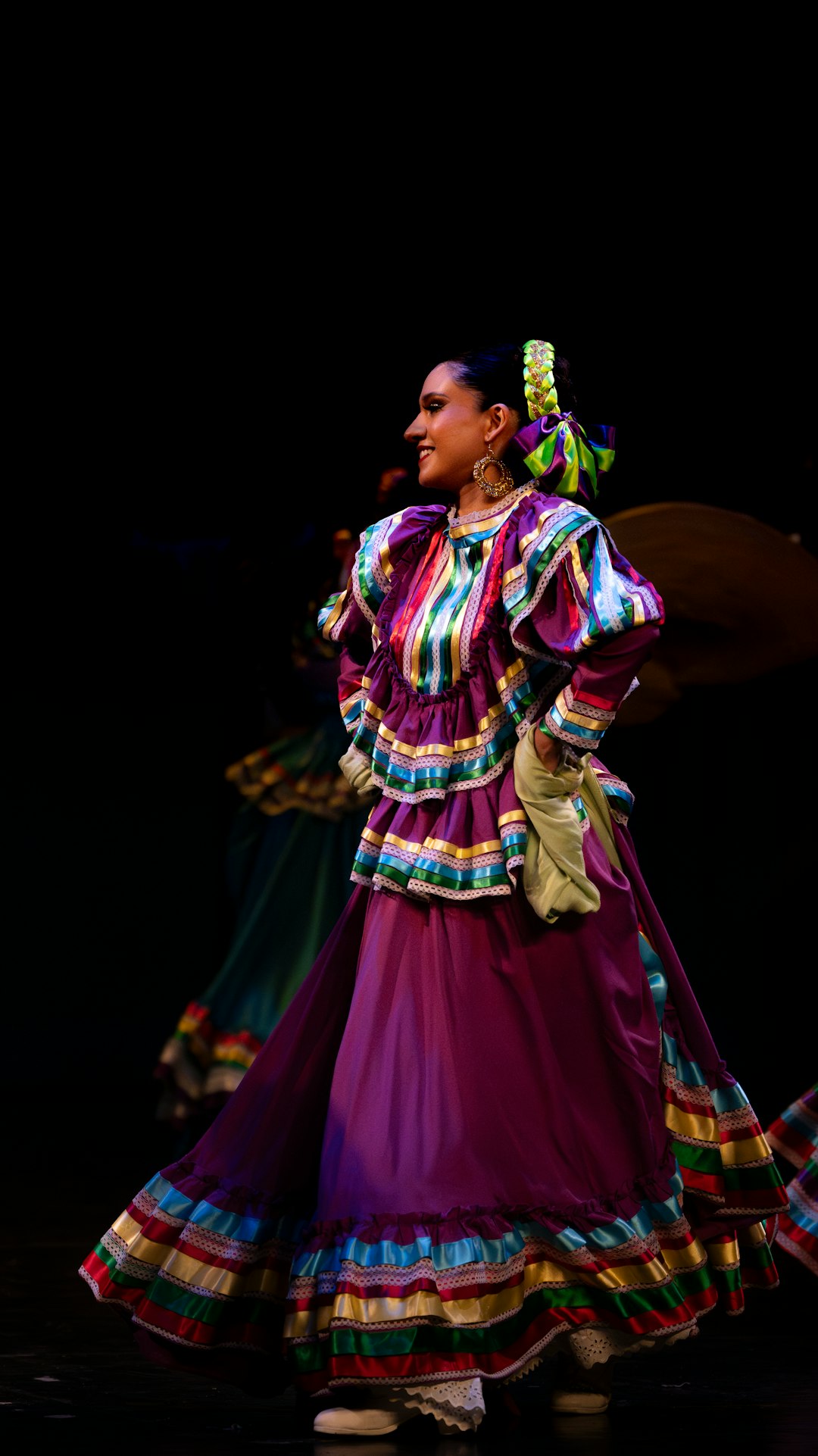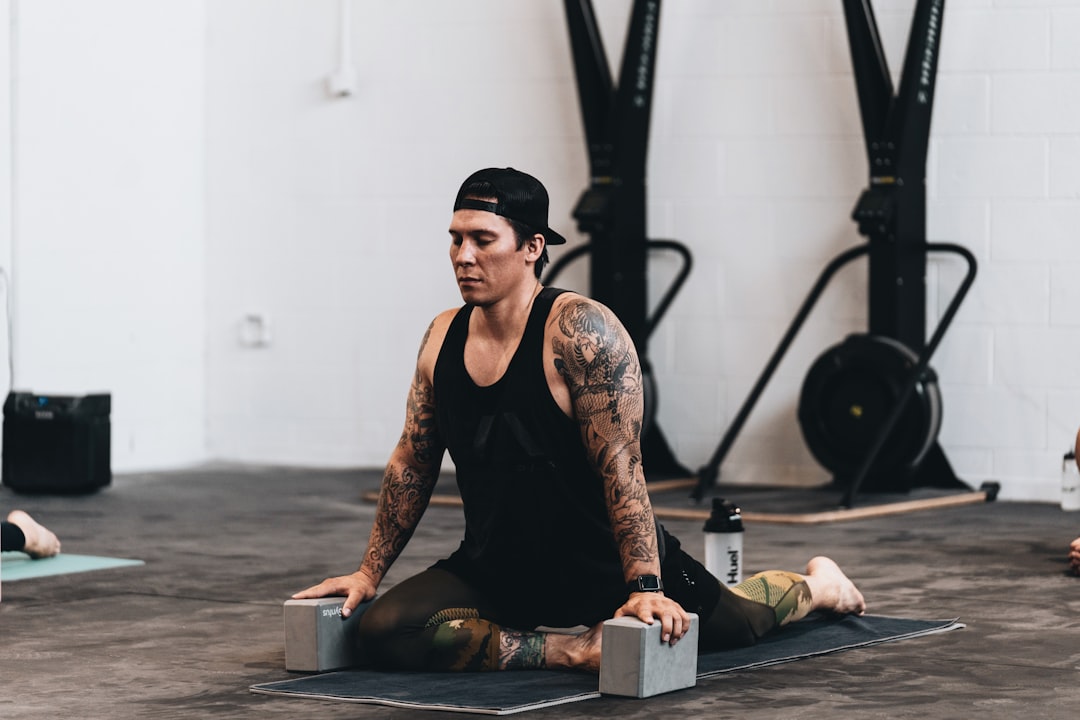
Your first tango class is Thursday, and you're staring at your closet wondering if those office slacks will survive a pivot. They won't—and neither will your confidence if you show up unprepared. The right tango attire isn't about looking the part; it's about removing distractions so you can focus on the connection, the music, and the movement. Here's how to dress for every stage of your tango journey, from nervous first steps to commanding the floor.
The Non-Negotiables: Movement, Fabric, and Fit
Before diving into levels, understand what tango demands of your clothing. Unlike salsa or swing, Argentine tango requires close embrace, precise foot placement, and dramatic extensions—often within the same thirty seconds. Your outfit must accommodate all three without adjustment.
Fabric Fundamentals
| Seek These | Avoid These | Why It Matters |
|---|---|---|
| Jersey, bamboo blends, stretch crepe | 100% polyester, stiff cotton | Breathability during close embrace; recovery after lunges |
| Stretch silk, ponte knit | Sequins or embellishments on the back | Smooth contact with partners; no catching on fabric |
| Medium-weight wool blends for men | Heavy tweed, rigid denim | Clean lines without restriction; temperature regulation |
The Fit Check
Before any garment enters your tango wardrobe, test it:
- Arm raise: Can you lift both arms overhead without the hem shifting or shoulders binding?
- Lunge test: Can you step into a deep forward lunge without waistband compression or seam stress?
- Pivot check: Can you rotate 180 degrees on one foot without your skirt wrapping or pants twisting?
If the answer is no, the answer is no.
Beginner Level: Function Over Form
Typical timeline: 0–12 months of weekly classes
Social context: Practicas (practice sessions) and occasional beginner-friendly milongas
At this stage, you're building proprioception—learning where your body is in space. Your clothing should disappear from your awareness entirely.
For Women
The formula: Fitted practice top + ankle-length flared skirt or stretch pants
- Skirts: Aim for knee-length to mid-calf. Floor-length hems trip you and trap your partner's feet. A-line or half-circle cuts allow leg extension without revealing everything during ochos.
- Tops: Fitted enough to stay put during turns; length that won't ride up in close embrace. Avoid draped necklines that shift or gap.
- Budget tier: $40–$80 total. Target, Uniqlo, and dance-specific retailers like Balera offer starter pieces.
Common mistake: Wearing your favorite flowy maxi dress. You'll spend the entire class managing fabric instead of learning connection.
For Men
The formula: Moisture-wicking fitted shirt + stretch dress pants with room in the thighs
- Pants: Look for 2–3% elastane content. You need to execute a deep lunge without seam strain or waistband gap. Dark colors hide sweat and floor dust.
- Shirts: Avoid stiff cotton oxfords that restrict shoulder rotation. A fitted polo or stretch button-down in a breathable weave works better than formalwear at this stage.
- Budget tier: $60–$120 total.
Common mistake: Wearing your wedding suit. The restrictive cut and delicate fabric will fight you through every boleo.
Beginner Shoes: Your First Real Investment
This is where you actually spend money—$80–$150 that will save you months of frustration.
| Feature | Women | Men |
|---|---|---|
| Heel height | 5cm (2 inches) maximum | 2.5cm for ballroom-influenced tango; flat for Argentine style |
| Sole material | Suede or leather | Leather, with break-in period |
| Critical detail | Ankle straps with secure buckles | Closed-toe, snug heel fit |
Avoid rubber-soled street shoes. They grip when you need to pivot, causing knee torque and partner collisions.
Intermediate Level: Building Your Tango Identity
Typical timeline: 1–3 years; regular milonga attendance
Social context: Weekly milongas, occasional festivals, first performances
You've stopped thinking about your feet and started noticing what others wear. This is when you build a capsule wardrobe—interchangeable pieces that express personal style without requiring constant shopping.
For Women
The formula: 2–3 practice skirts + 2 dressier tops + your first "milonga dress"
- The practice skirt upgrade: Add a wrap skirt or bias-cut flared skirt in a substantial fabric. These transition from class to social dancing seamlessly.
- The milonga dress: One well