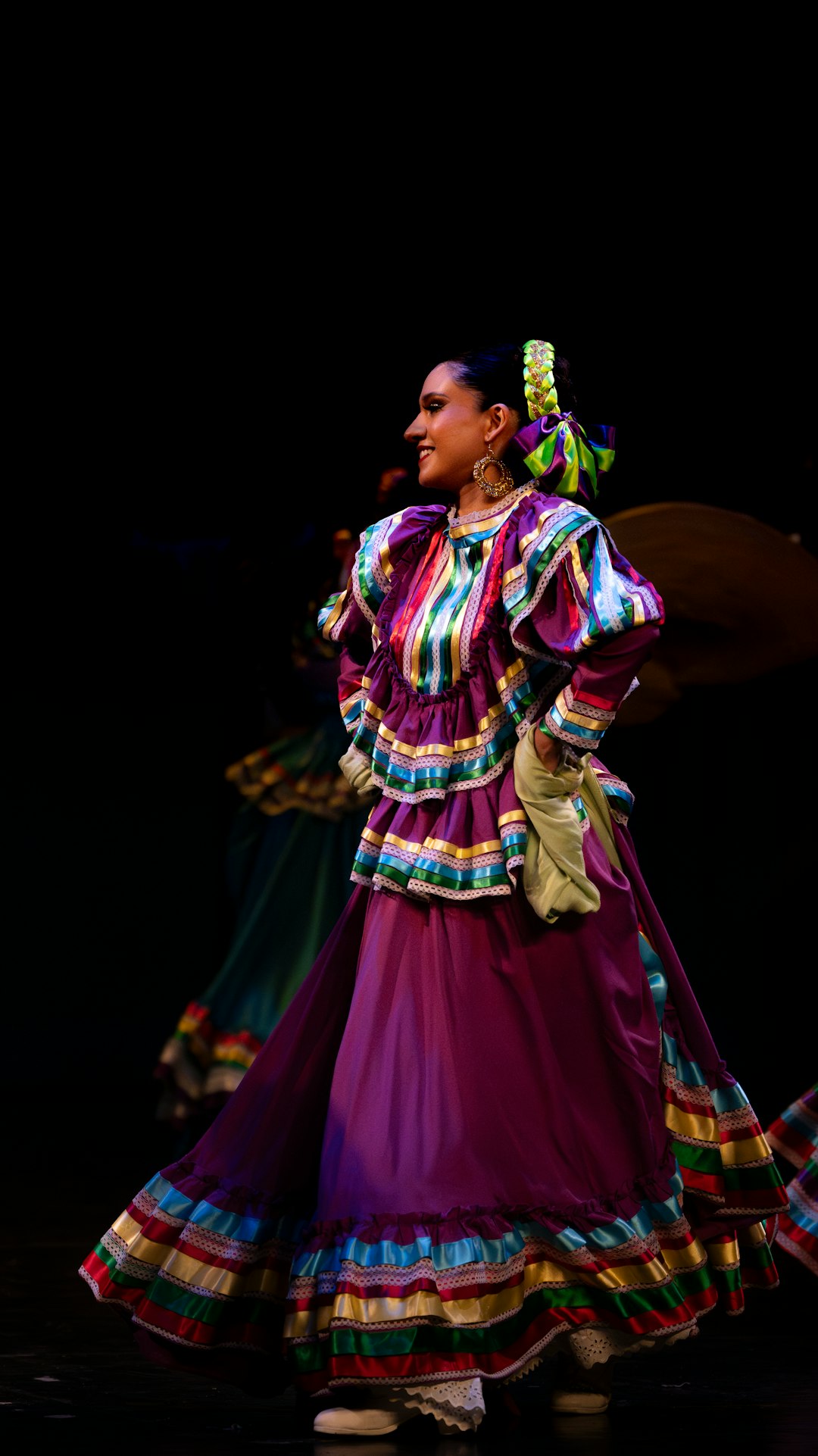
In Buenos Aires, they say the embrace begins before you touch your partner—it starts with how you present yourself to the room. The wrong outfit doesn't just look out of place. It traps your leg during a gancho, overheats you by the fourth tanda, or reveals more than you intended when the floor tilts. The right clothes? They become part of the dance itself.
This guide goes beyond generic formalwear advice to cover what tango dancers actually need: movement mechanics, cultural context, and the practical realities of three-hour milongas.
Foundation First: Universal Principles
Before diving into gender-specific recommendations, every tango dancer needs to understand three non-negotiables.
The Sole Debate
Serious dancers own two types of shoes: leather-soled for performance and suede-soled for practice. Leather lets you glide and pivot smoothly; suede offers controlled grip ideal for learning complex sequences. Never wear rubber soles—they grip the floor too aggressively, transferring dangerous torque to your knees during ochos. For milongas on uncertain floors, experienced dancers carry a wire brush to refresh suede texture mid-evening.
Fabric Science
Natural fibers aren't a luxury—they're survival. A four-hour milonga in synthetic fabric traps heat and moisture against your body. Look for:
- Breathable weaves: Lightweight wool, silk blends, or high-quality cotton
- Four-way stretch: Essential for pivots, lunges, and sudden direction changes
- Wrinkle resistance: For festival travel and all-night dancing
The Partner Connection Factor
Your clothing affects everyone you embrace. Rough jacket fabrics chafe necks. Dangling earrings strike faces in close embrace. Open backs feel intimate; heavy zippers dig into forearms. Choose with your partner's experience in mind, not just your own reflection.
Understanding the Dress Code Hierarchy
Tango operates across distinct social contexts, each with unwritten rules.
| Setting | Atmosphere | Typical Attire |
|---|---|---|
| Práctica | Casual, learning-focused | Practice wear, comfortable shoes, layers |
| Milonga | Traditional, elegant | Formal tango dress, polished shoes |
| Marathon | Extended social dancing | Multiple outfits, extreme comfort priority |
| Stage/Performance | Theatrical, dramatic | Costuming, often non-traditional silhouettes |
The same dress that earns compliments at a nuevo milonga might raise eyebrows at a traditional salon. When in doubt, observe before your first visit—or ask the organizer directly.
Men's Tango Fashion: Beyond the Suit
The classic tango silhouette for men derives from 1940s Buenos Aires: fitted jacket, tailored trousers, crisp shirt. But execution matters more than imitation.
The Jacket Test
Your jacket must allow full arm extension without pulling across the back. Test this in the fitting room: cross your arms in front of your chest, then open them wide as if collecting your partner into embrace. If you feel resistance, the cut is wrong for tango.
Favor jackets with minimal lining or unconstructed shoulders—they breathe better and move with you rather than against you. Dark colors (black, midnight navy, charcoal) remain standard, but deep burgundy or forest green can distinguish you without violating tradition.
Trouser Specifics
Tango trousers need higher rise than contemporary fashion dictates. Low-rise pants gap at the back during deep ochos and lunges. Look for:
- Slight taper through the calf (excess fabric catches on shoes)
- Reinforced inner seams (pivoting wears fabric quickly)
- Hidden stretch panels at the waist for comfort across hours of dancing
Shirt and Accessories
French cuffs add elegance but require secure fastening—loose cufflinks become projectiles. For neckwear, consider the milonga bow tie: pre-tied, slightly smaller than formal standard, positioned so it won't tickle your partner's forehead in close embrace.
Women's Tango Fashion: Movement as Design
The wrong dress doesn't restrict you—it restricts your partner. A skirt that flies too wide on a boleo forces distance in the embrace. A neckline that requires constant adjustment breaks the connection entirely.
The Length Decision
This is where salon and nuevo traditions diverge critically:
Salon/Traditional: Dresses fall between mid-calf and ankle. The fabric pools slightly when stationary, then flows dramatically during movement. Slits are positioned to the side or back—never center front—to maintain modesty through deep lunges.
Nuevo/Fusion: Hemlines rise to just below the knee. Tighter silhouettes accommodate the extended lines and off-axis movements characteristic of these styles. Built-in shorts or dance briefs are essential.
Stage: Anything goes—but remember that performance lighting and audience sightlines demand different considerations than social dancing.