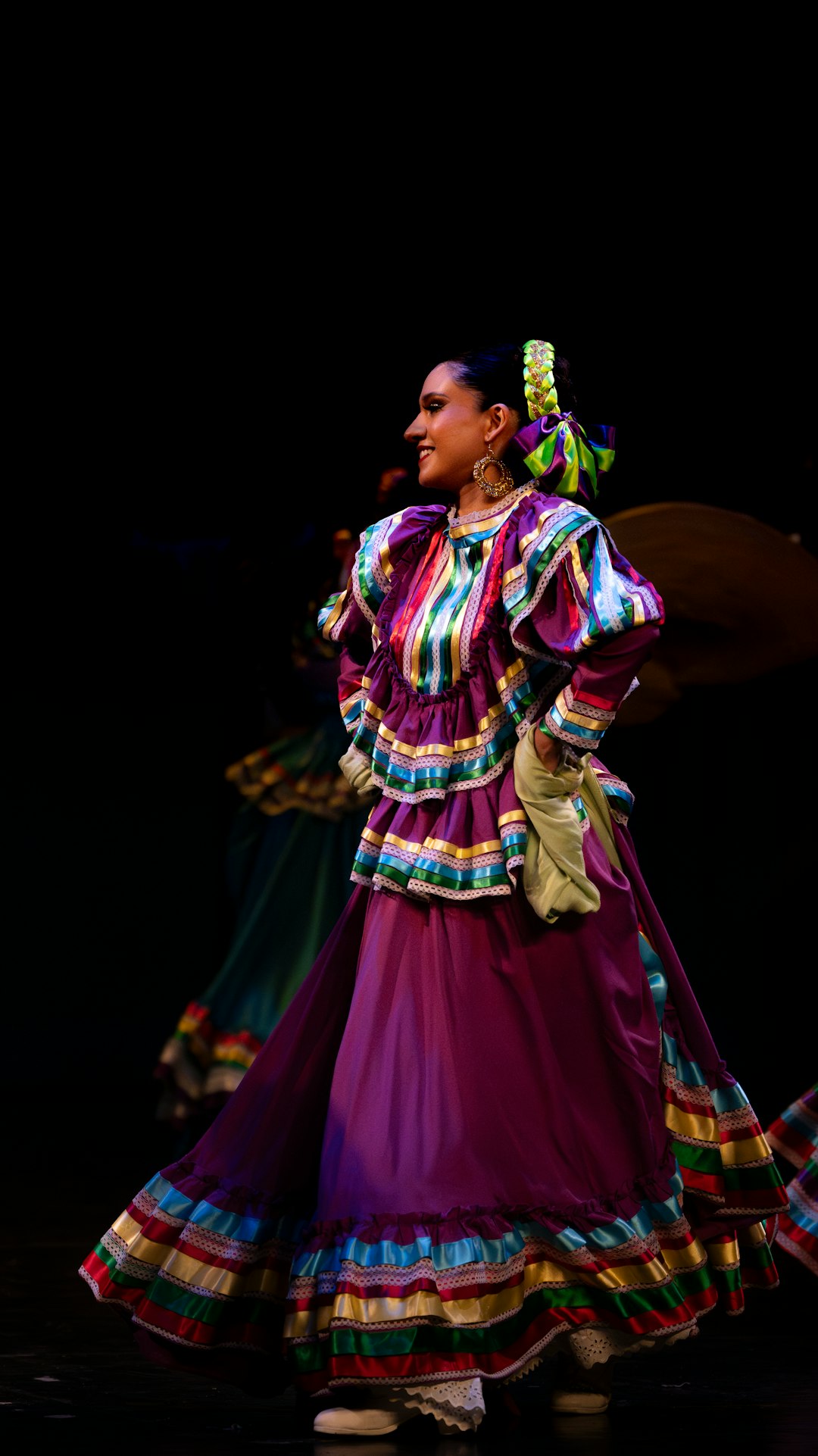
At 11 PM in a crowded Buenos Aires milonga, your clothing stops being a fashion statement and becomes equipment. The wrong fabric, a restrictive waistband, or a neckline that shifts during close embrace won't just annoy you—they'll break your connection with your partner and your concentration. Unlike other dances where partners maintain distance, tango's sustained body contact creates unique demands that make thoughtful clothing choices essential.
How Tango's Unique Demands Stress Your Clothing
Tango challenges garments in ways that studio dancing or club dancing simply don't. Understanding these specific stresses helps you choose clothes that work with the dance rather than against it.
Close embrace torso contact. Partners maintain sustained chest-to-chest or chest-to-back connection for entire songs. This creates friction, heat buildup, and moisture transfer that cotton and linen handle poorly. Fabrics that become damp and clingy—or worse, slippery—compromise your stability and your partner's confidence in the connection.
Sustained one-legged balance. Unlike dances with constant weight changes, tango requires extended moments on a single leg during ochos, boleos, and pauses. Your clothing must accommodate shifted weight distribution without pulling, twisting, or requiring adjustment.
Articulated leg extension. Backward ochos, boleos, and gancho preparations demand unrestricted leg movement. Restrictive skirts, pants without stretch, or inseams that ride up will limit your range or force compensating tension elsewhere in your body.
Temperature volatility. You may wait thirty minutes between tandas in a drafty hall, then generate significant body heat during a high-energy vals. Your clothing needs to handle both states without becoming clammy or requiring layer removal that disrupts the social flow.
Fabric Science for Close Embrace
The cotton and linen often recommended for "breathability" actually perform poorly for tango social dancing. These natural fibers absorb and retain moisture, wrinkle severely during travel to milongas, and lack the recovery stretch needed for sustained posture work.
Better choices include:
- Performance jersey blends with moisture-wicking properties and four-way stretch
- Bamboo-derived fabrics that handle temperature fluctuation smoothly
- Quality dancewear synthetics specifically engineered for partner dancing—breathable yet structured enough to drape cleanly during movement
- Microfiber blends that maintain their hand-feel when damp and resist odor during long evenings
Critical test: Press the fabric against your forearm and hold it there for thirty seconds. If it feels noticeably warmer or begins to feel damp, it will perform poorly in close embrace.
Fit for Functional Movement
Tango fit differs from street fit. A garment that looks correct in natural stance may fail completely in tango posture.
For leaders:
- Test with arms raised to embrace position—sleeves should not pull, shoulders should not restrict
- Verify jacket or shirt hem stays tucked when torso extends
- Check that neckline doesn't gape when head rotates to watch floorcraft
For followers:
- Confirm backless or low-back designs stay secure through sustained back extension
- Test that skirt or dress hem doesn't ride up to reveal more than intended during boleo preparation
- Verify strap security during pivots—spinning exposes garment stress that walking doesn't
Universal requirements:
- Waistbands that flex without digging during deep dissociation
- Seam placement that avoids pressure points where partner contact occurs
- Adequate length in pants and skirts for heel visibility (follower) and clean foot placement (leader)
Testing Before the Milonga
Never trust a changing room mirror alone. Before committing to a garment for social dancing:
- Assume tango posture for two full minutes—arms raised, torso extended, weight shifted
- Execute a slow ocho in both directions, noting any pull or restriction
- Pivot continuously for thirty seconds to test strap and hem stability
- Simulate close embrace with your own hands pressed to torso, checking for hardware that digs or fabric that bunches
- Move from standing still to moderate activity, observing temperature regulation and moisture handling
What to Avoid
Certain design elements create predictable problems in tango contexts:
- Zippers, buttons, or hardware on the torso—these dig into partners during embrace and can scratch
- Flowing sleeves or wide cuffs—they tangle in your partner's arms and obstruct floorcraft visibility
- Fabrics that become transparent when stretched—common with lightweight knits across the back in follower posture
- Excessive draping or ruching at the waist—creates bulk and heat retention where partners connect most closely
- Pants or skirts without adequate structure—they shift during movement and require constant adjustment
Investment Priorities and Replacement Timing
Not every tango garment needs premium construction. Allocate your budget strategically:
| Priority | Why It Matters