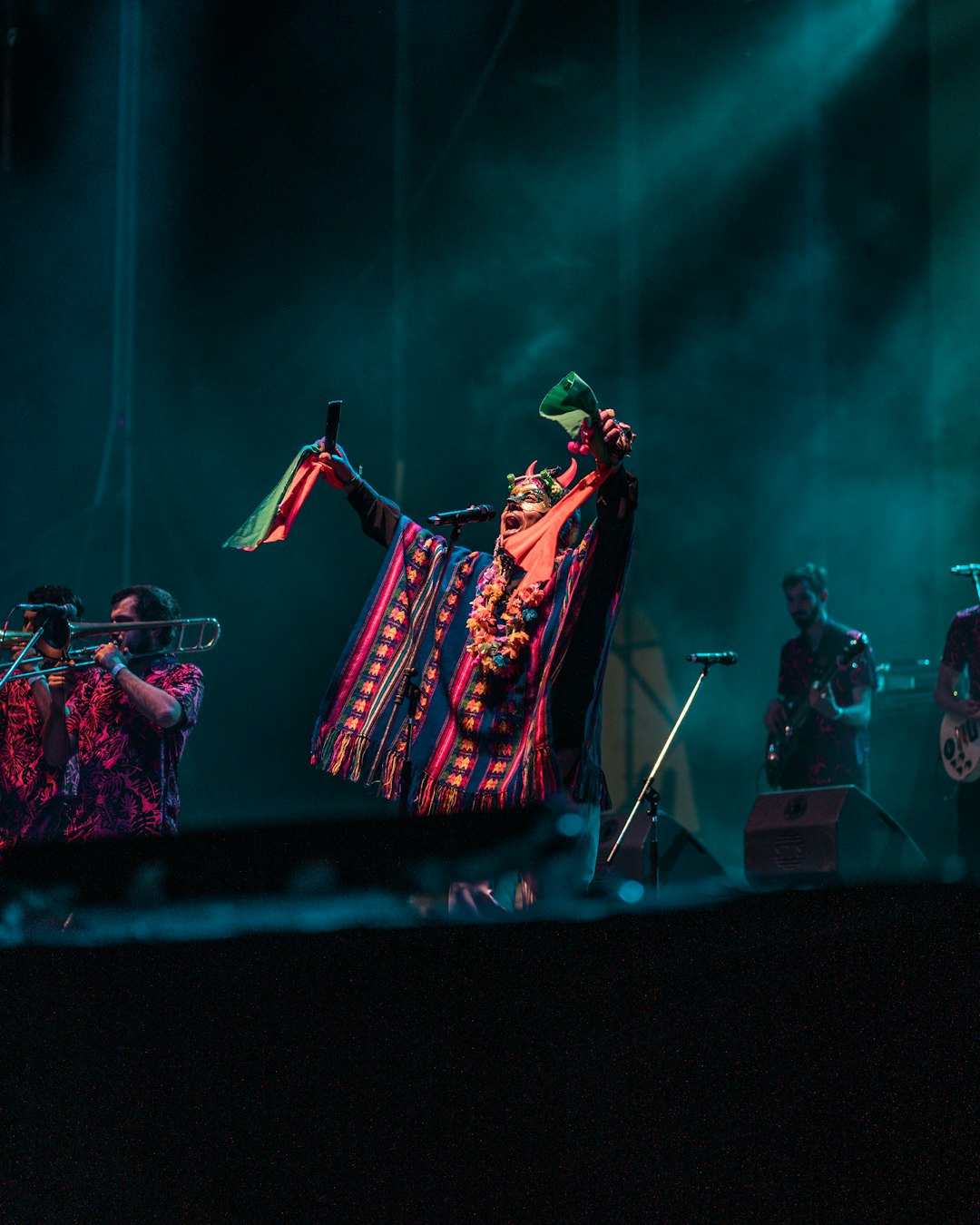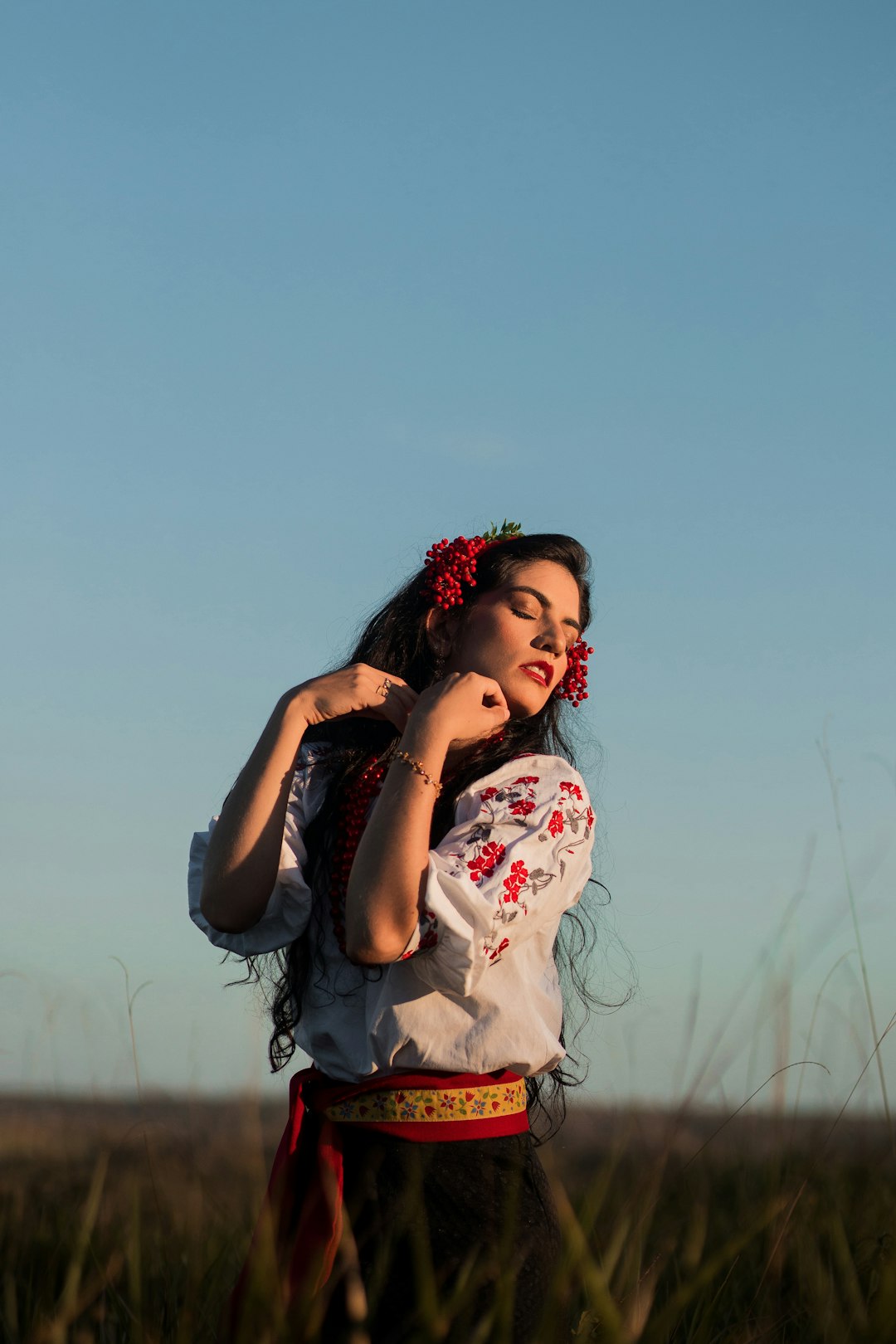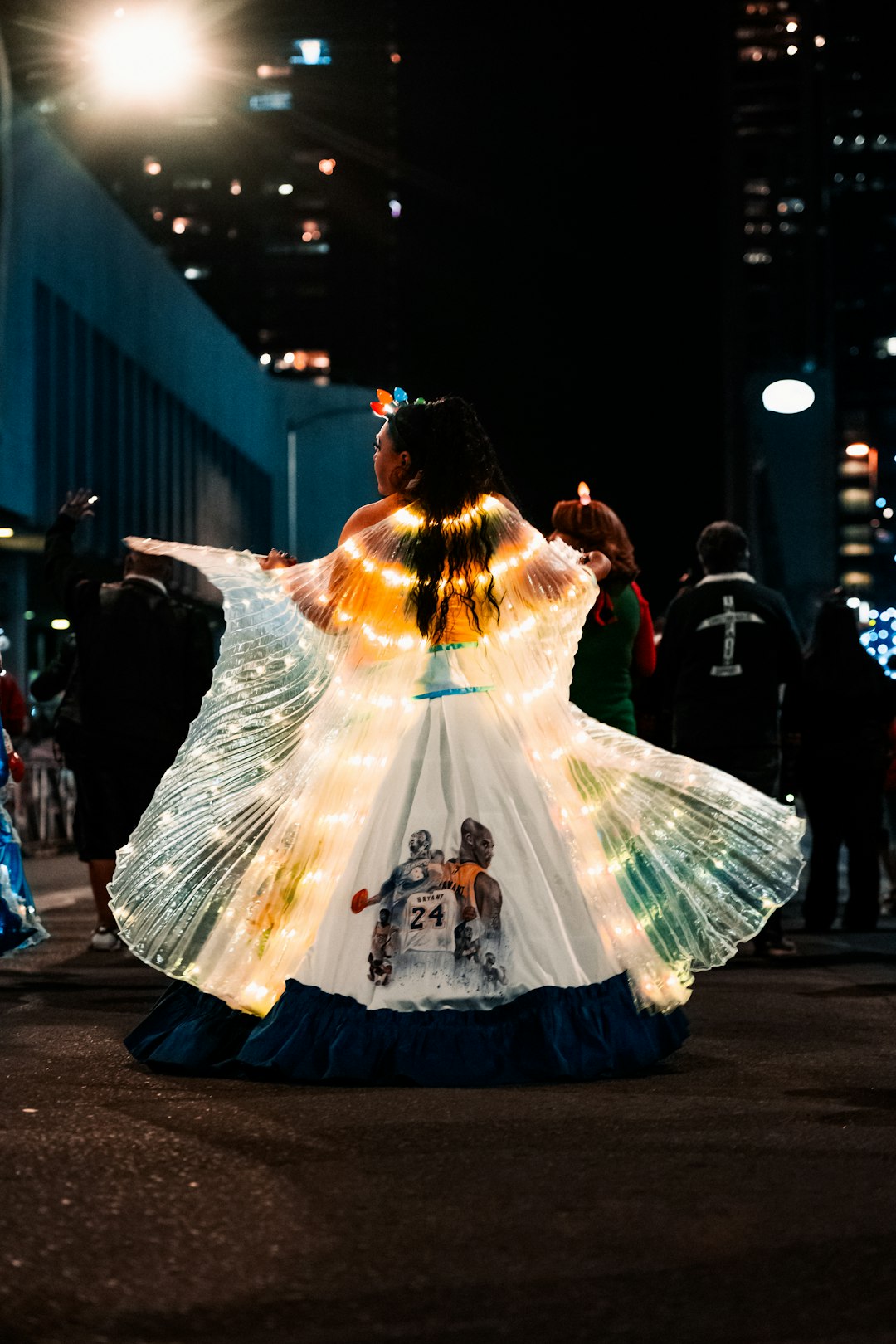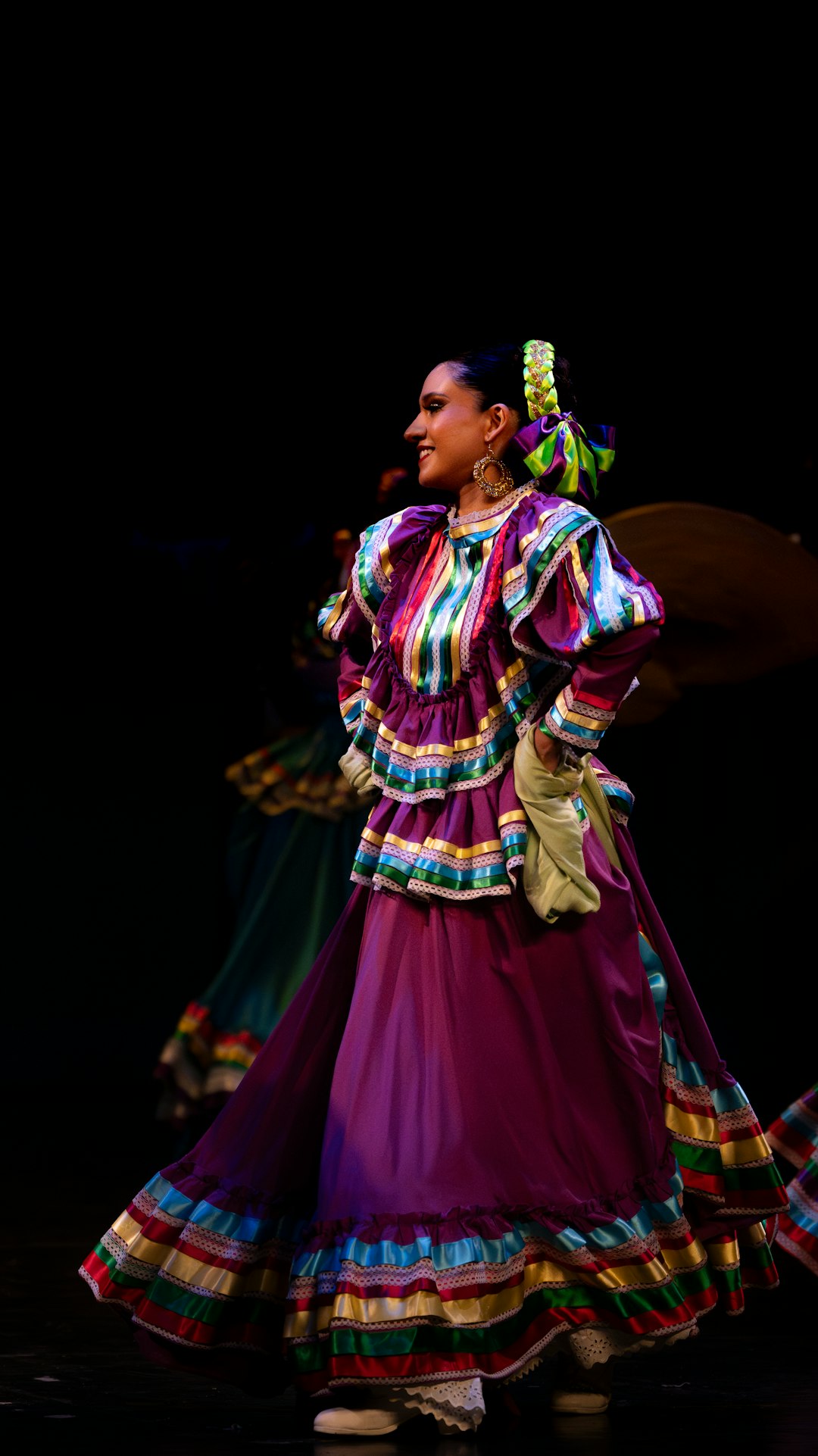
Walk into a Buenos Aires milonga at midnight, and you'll understand immediately: tango dress is a language. Your accessories signal your experience, your respect for tradition, and your personal style before you take your first step. The right choices enhance your movement and your confidence; the wrong ones announce you as a tourist—or worse, a hazard to your partners.
Whether you're preparing for your first milonga or refining your presence on the competitive circuit, this guide will help you select accessories that honor tango's heritage while expressing your individuality.
The Foundation: Tango Shoes That Work as Hard as You Do
Shoes are not merely accessories in tango—they are equipment. Poor choices lead to injury, unstable balance, and abbreviated nights. Understanding construction and purpose separates serious dancers from dilettantes.
For Leaders (Traditionally Men)
Leather-soled shoes remain the gold standard for salon tango. The sole should be thin enough to feel the floor, substantial enough to protect your feet through hours of dancing. Look for:
- Construction: Hand-stitched leather uppers with suede or leather soles
- Heel height: 2.5–3.5cm for stability; higher heels are reserved for stage performance
- Fit: Snug through the heel and arch to prevent slippage during pivots
Brands like Falco, Regina, and Tangolera offer entry-to-professional options. Many serious dancers maintain separate pairs for practice (more cushioning) and milongas (sleeker profiles).
For Followers (Traditionally Women)
Tango heels are engineered differently than street footwear. The arch support, toe box flexibility, and heel placement accommodate the distinctive tango posture—weight forward, axis controlled, movements precise.
| Feature | Specification | Why It Matters |
|---|---|---|
| Heel height | 6–8cm (2.4–3.1 inches) | Optimal balance of line and stability |
| Heel shape | Flared or stiletto | Flared offers stability; stiletto permits tighter spins |
| Strap configuration | T-strap or multiple cross-straps | Secures foot during quick direction changes |
Comme il Faut, Nueva Epoca, and Madreselva represent the Buenos Aires artisan tradition. For practice, consider lower heels or bandoneón-soled flats that protect your feet without compromising technique development.
Strategic Adornment: Jewelry and Embellishment
Tango's dramatic aesthetic invites ornamentation, but the milonga floor demands restraint. The distinction between salon (social) and escenario (stage) tango determines what you can safely wear.
Close-Embrace Appropriate Pieces
In traditional milongas, partners maintain chest-to-chest connection. This intimacy creates strict parameters:
- Earrings: Post or small hoop styles that hug the lobe; avoid dangling designs that can catch on partner's clothing or strike faces during ochos
- Necklaces: Delicate chains or none at all; statement pieces belong on stage
- Bracelets: Slim bangles or watches worn on the left wrist (leaders' right hands contact followers' backs, not wrists)
- Rings: Smooth bands; avoid large stones that can scratch partners' hands
Stage and Performance Exceptions
Fantasia and exhibition tango permit—and expect—more elaborate presentation. Sequined gowns, dramatic earrings, and theatrical makeup become appropriate when distance between partners increases and choreography replaces improvisation.
Men's Adornment: The Overlooked Art
Male tango style carries its own sophistication:
- Pocket squares: Silk squares in burgundy, midnight blue, or gold add color without ostentation
- Cufflinks: Substantial enough to register under dim milonga lighting; mother-of-pearl or onyx maintain elegance
- Shoe detailing: Brogueing, two-tone leather, or subtle patent accents distinguish quality footwear
- Wrist accessories: A single quality watch or slim leather bracelet; avoid anything that clicks or catches during embrace
The Rebozo Legacy: Scarves, Shawls, and Practical Elegance
The rebozo—the traditional Latin American woven shawl—carries cultural DNA into contemporary tango style. More than decoration, it serves genuine function in the unpredictable environment of a milonga.
Fabric and Dimensions
| Fabric | Weight | Best Use |
|---|---|---|
| Silk georgette | Ultra-lightweight | Summer milongas, subtle color layering |
| Lightweight wool | Medium | Transitional seasons, substantial drape |
| Cashmere-silk blend | Variable | Luxury events, exceptional drape |
Ideal dimensions range from 70cm × 200cm to 90cm × 220cm—generous enough