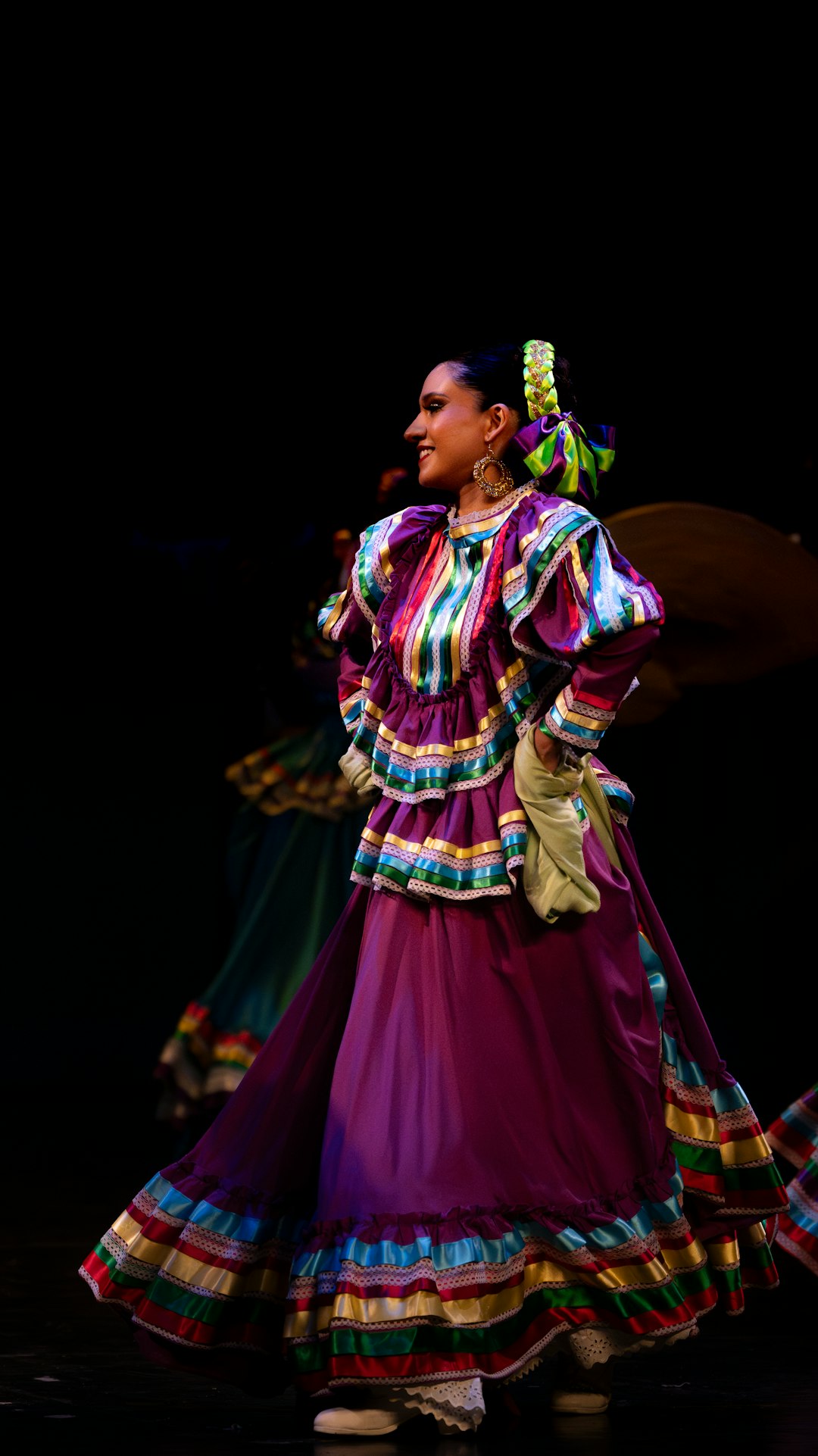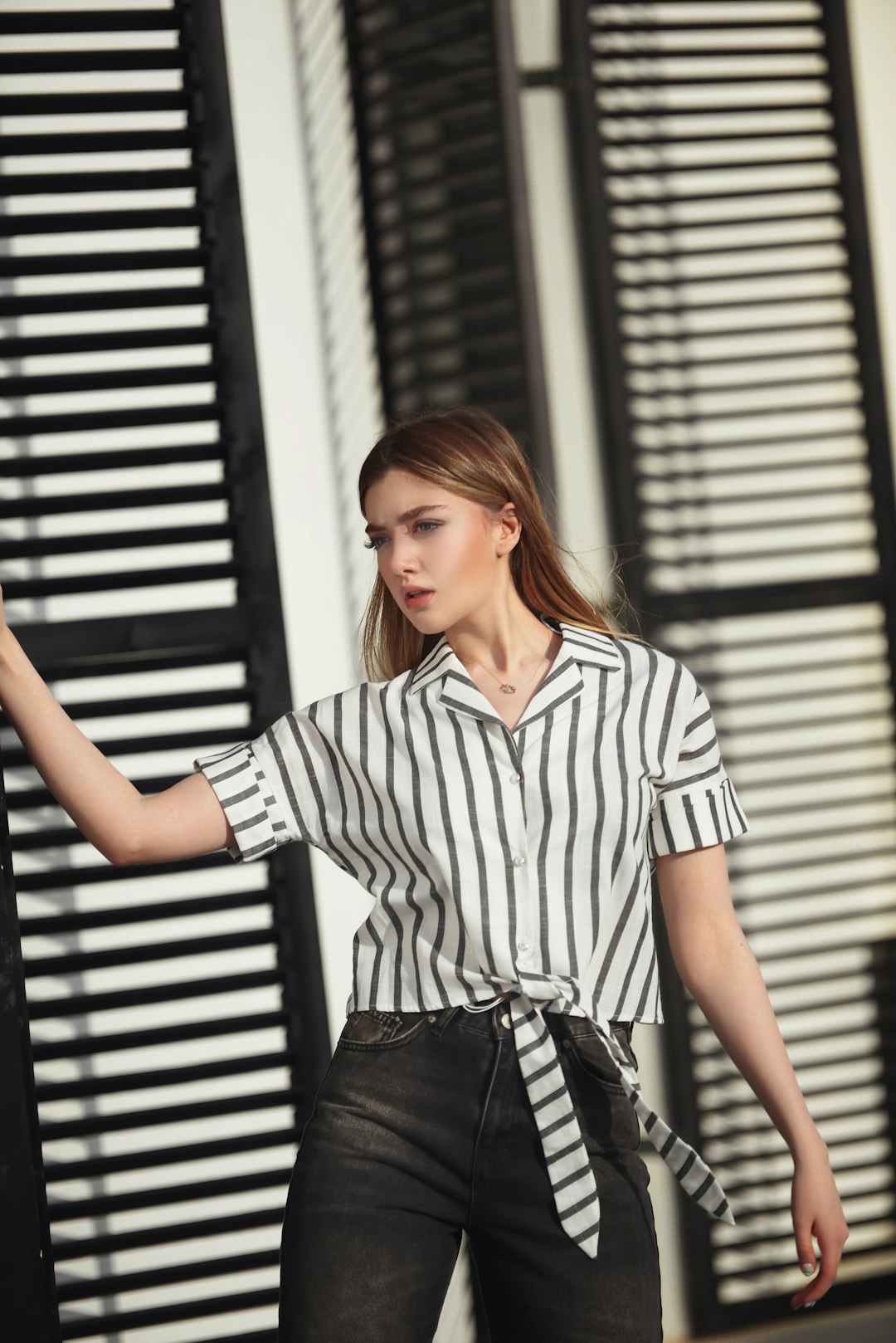
The embrace connects before the first step. In tango, what you wear determines whether that connection flows uninterrupted or falters at the first pivot. Whether you're stepping into your first práctica or preparing for a night at a traditional Buenos Aires milonga, your attire shapes not only how you look but how you move, breathe, and partner.
This guide moves beyond generic fashion advice to address the specific demands of tango's close embrace, intricate footwork, and distinct social contexts.
Start With Your Feet: The Foundation of Tango Attire
Before considering fabric or silhouette, invest in proper footwear. This is where most beginners stumble—and where experienced dancers allocate their largest wardrobe budget.
For Leaders:
- Leather-soled shoes with 2.5–3cm heels provide stability for driving steps and weight changes
- Avoid rubber soles that grip the floor; they strain knees and disrupt smooth pivots
- Lace-up or slip-on styles are both acceptable; prioritize ankle support and toe box room
For Followers:
- Heels of 5–8cm position weight forward, enabling controlled pivots and precise foot placement
- Suede or leather soles allow the sliding and rotating essential to ochos and molinetes
- Straps across the instep prevent slippage during backward steps
"The best-dressed dancer is the one you don't notice adjusting their clothes," notes María Rosa, milonga organizer in Buenos Aires. "But the worst-dressed dancer is always the one in street shoes, sliding dangerously or sticking to the floor."
Break in new shoes at home. Blisters formed during your first tanda can end your evening.
Attire for Leaders: Function Meets Refinement
Leaders require freedom through the hips and knees for sacadas, lunges, and deep weight changes. Your clothing should accommodate these movements without excess fabric that snags or billows.
Pants
- Choose trousers with four-way stretch through the thigh and seat
- Mid-rise waistbands stay secure during posture shifts; avoid low-rise cuts that gap during forward steps
- Cuffs should break slightly at the shoe without pooling—excess length becomes a hazard in close embrace
Shirts
- Breathable, moisture-wicking fabrics manage the physical intensity of sustained dancing
- Fitted cuts prevent fabric bunching between partners in close embrace
- Consider hidden snaps or stretch panels at shoulder seams for overhead arm movements
Jackets and Layers
- Unstructured blazers or vests add polish without restricting shoulder rotation
- Remove jackets before dancing if they constrain arm movement or create bulk between chests
Attire for Followers: Movement, Drape, and Security
Followers navigate backward steps, rapid direction changes, and leg extensions that expose more than forward-facing movement. Your choices must balance elegance with practical security.
Dresses and Skirts
- Slit construction or wide-leg pants accommodate tango's characteristic leg extensions
- Skirt lengths should allow safe floorwork without requiring constant adjustment; test by sitting, pivoting, and extending your leg
- A-line and bias-cut silhouettes move beautifully but avoid excessive volume that tangles between legs
Tops and Bodices
- Strapless styles risk shifting during ochos and turns; prefer secure necklines or add transparent straps
- Consider bodysuits or leotards as base layers—they stay in place when separates would ride up
Undergarments
- Seamless, moisture-wicking underlayers prevent visible lines and manage perspiration
- For lighter fabrics, nude-toned undergarments in your skin tone (not generic "nude") maintain modesty
Fabric Selection: The Hidden Performance Factor
Not all stretch fabrics perform equally on the dance floor. Prioritize these characteristics:
| Property | Why It Matters | Recommended Materials |
|---|---|---|
| Four-way stretch | Accommodates pivots and lunges without restriction | Ponte knit, performance jersey, stretch crepe |
| Moisture management | Prevents visible sweat and maintains comfort | Bamboo blends, technical wicking synthetics, silk jersey |
| Weight and drape | Creates movement without uncontrolled flare | Medium-weight rayon, fluid viscose, quality polyester crepe |
| Recovery | Maintains shape through hours of wear | Fabrics with 5–10% elastane content |
Avoid: 100% cotton (shows sweat, lacks recovery), stiff linens (resist movement), and anything requiring constant adjustment.
Dressing for the Occasion: Práctica, Milonga, and Performance
Tango operates in distinct social contexts, each with different attire expectations.
Práctica (Practice Sessions)
- Prioritize function over form: clean athletic wear, soft practice shoes, layers for temperature changes