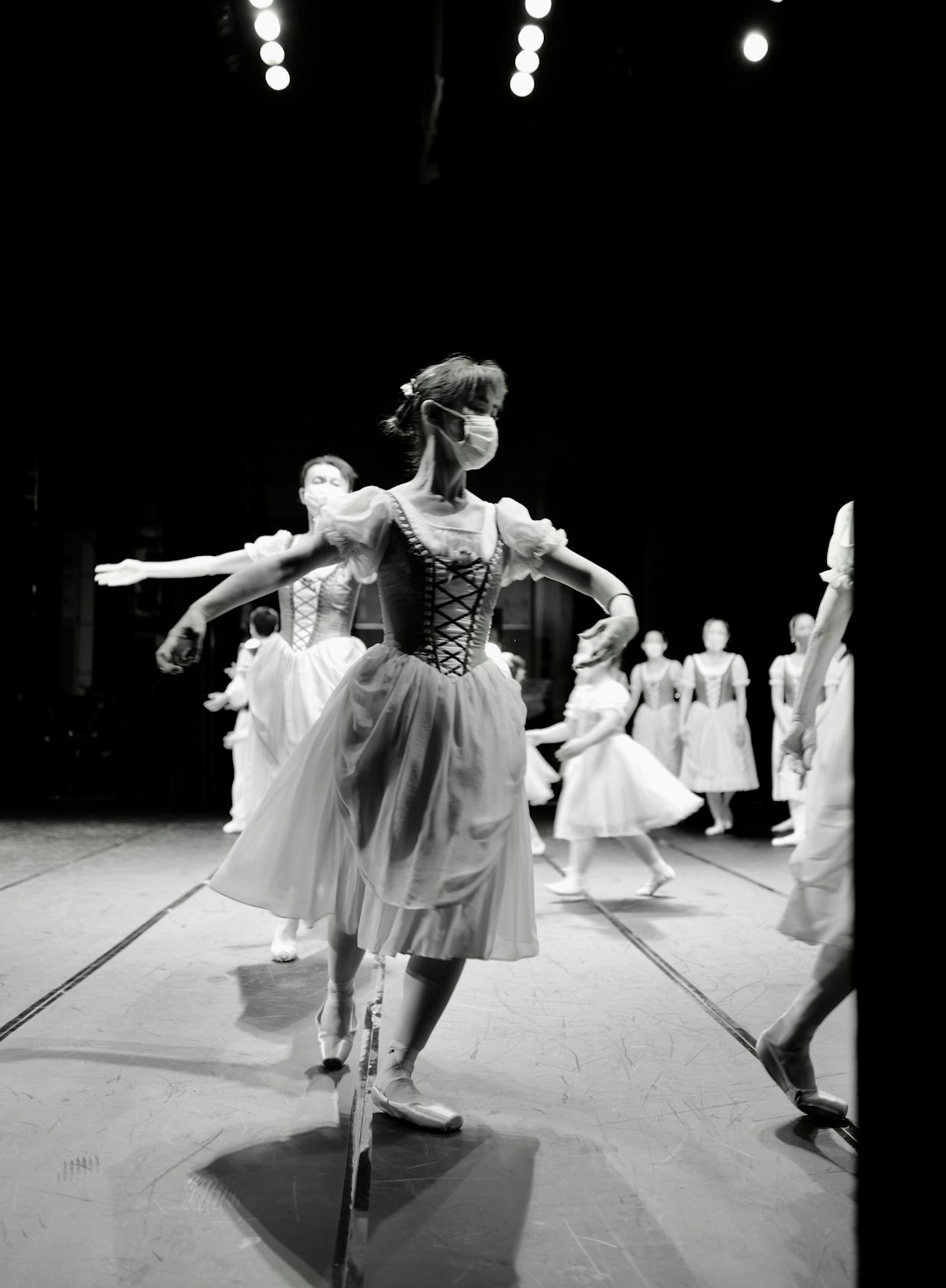
Tango is more than a dance—it's a conversation without words, born in the late 19th-century working-class neighborhoods of Buenos Aires and Montevideo. Blending African rhythms, European immigrant influences, and Latin American soul, tango evolved from the margins to become a UNESCO-recognized cultural treasure. Today, its dramatic movements and intimate connection between partners continue to captivate dancers worldwide.
This guide covers the essential foundations every beginner needs: the traveling walk, a comfortable embrace, and the stylistic elements that transform steps into expression.
Before You Begin: Setting Yourself Up for Success
Gear and Space
- Footwear: Choose shoes with smooth soles that allow pivoting—suede is ideal, while rubber can stick dangerously to floors. Avoid grippy sneakers.
- Warm-up: Loosen ankles, hips, and shoulders. Tango demands fluidity from a stable core.
- Posture foundation: Imagine a string pulling the crown of your head toward the ceiling. Relax your shoulders downward. This lengthened spine is your home base.
Understanding Roles Tango uses leader and follower rather than gendered terms. The leader initiates movement; the follower responds. Both roles require equal skill, creativity, and musical interpretation. Many dancers learn both over time.
The Basic Walk: Moving Through, Not To
The tango walk (caminata) is deceptively simple—and where most beginners stumble. Unlike a march, tango walking travels continuously. Partners move through each other rather than closing feet together.
For Leaders
| Step | Action | Key Detail |
|---|---|---|
| 1 | Step forward with your left foot | Land on the ball of the foot, knee slightly flexed |
| 2 | Your right foot passes through the left | Continue forward; don't bring feet together |
| 3 | Transfer weight smoothly | No bouncing—imagine rolling across the floor |
Critical distinction: Your feet never "collect" or meet in the middle. Each step continues the journey forward.
For Followers
As your partner steps forward, you step backward with your right foot. The impulse travels through the embrace—don't anticipate or step early.
- Keep weight over the balls of your feet
- Heels lightly brush the floor; don't lift them high
- Let the leader's movement guide you; maintain your own balance
Practice alone first: Walk backward in a straight line, eyes forward, feeling the floor behind you without looking down.
The Embrace: Finding Connection Without Tension
The embrace (abrazo) is tango's defining feature. For beginners, start with an open embrace—close enough to communicate, comfortable enough to learn.
Open Embrace Position
- Stand facing your partner, offset slightly to your right (so your right foot points between their feet)
- Leader's right hand: Rest gently on the follower's left shoulder blade—fingers together, no gripping
- Follower's left hand: Rest on the leader's right bicep or shoulder—not the shoulder blade
- Opposite hands connect at approximately eye level, elbows relaxed downward (avoid "chicken wings" pointing outward)
- Maintain your own axis: Don't lean heavily on your partner; the embrace shares energy, not weight
When to Explore Close Embrace
The chest-to-chest connection iconic in tango requires comfort, trust, and physical awareness. Consider these prerequisites:
- Both partners feel genuinely at ease
- No lower back, knee, or balance limitations
- Clear communication about personal boundaries
Safety note: Forced close embrace causes back strain and restricts movement. Progress naturally as skill and rapport develop.
Adding Expression: Style That Serves the Dance
Once mechanics feel natural, these elements elevate your tango from functional to artistic.
Grounded Elegance
Tango's drama emerges from contrast: stillness against explosion, control against surrender. Resist the urge to rush. The best dancers often move less—every step deliberate, every pause charged with intention.
Body Communication
- Dissociation: Rotate your upper body independently from your hips. This creates the characteristic tango "torque" and allows clear leading/following.
- Intention, not tension: Express emotion through intention in your posture, not floppy exaggeration or rigid stiffness.
Musicality: Dancing the Song, Not the Steps
Tango music has multiple layers to explore:
| Layer | What to Listen For | How to Reflect It |
|---|---|---|
| Beat | Steady underlying pulse | Walk on the strong beats (1, 3 in 4/4 time) |
| Melody | Flowing violin or bandoneón line | Stretch steps, pause at phrase |