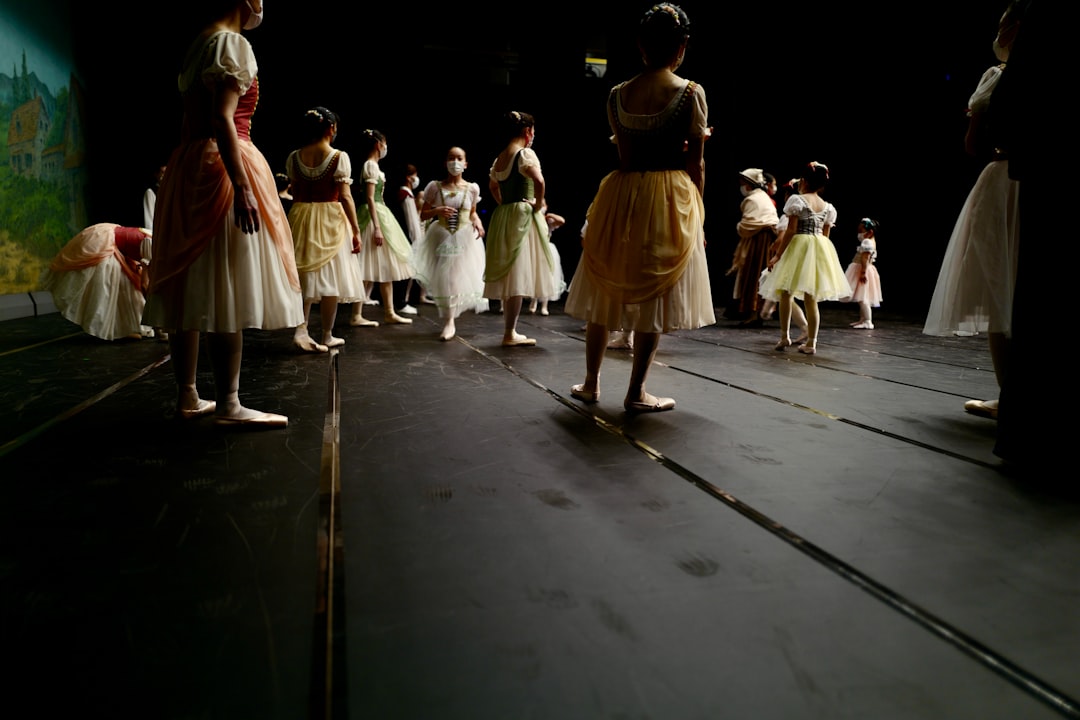
In Buenos Aires' crowded milongas, dancers speak through subtle shifts of weight—no words, no choreography, just conversation in motion. After fifteen years of teaching, I've watched hundreds of beginners transform from tentative step-takers into confident dancers. The ones who succeed share one trait: they master fundamentals before chasing flash.
Most beginners quit tango within three months. Not because the steps are difficult, but because they're practicing the wrong things in the wrong order. This blueprint reverses that pattern.
The Embrace: Your First Technique
Before steps, before musicality, before connection—there is the abrazo. Argentine tango's embrace isn't decorative; it's the instrument through which everything else happens.
Beginners often treat it as an afterthought, gripping their partner like a life raft. Instead, establish these foundations:
- The right side connection: Leader's right arm cradles follower's shoulder blade with relaxed weight; follower's left arm rests gently on leader's shoulder, not clutching the neck
- The chest-to-chest axis: Find the point where sternums nearly touch without collapsing posture—typically 10–15 degrees of offset, never square-on
- The elasticity: The embrace breathes. It tightens during turns, expands during walks, never locks into rigidity
Practice your embrace alone against a wall. Hold for two minutes. Notice where tension accumulates—shoulders, lower back, jaw? These are your homework assignments.
Understanding the Basic Steps
Tango's vocabulary is smaller than you think. Master these three movements before adding embellishments:
The Basic Walk (Caminata)
Not a march. Not a stroll. The tango walk transfers weight from one foot to the other with deliberate intention, knees soft, hips level. Imagine moving through shallow water—resistance, control, continuous motion.
Practice protocol: Start at 50% of your normal walking tempo. Count "slow-slow" for single steps, "quick-quick" for half-time weight changes. Use a metronome set to 60 BPM. Only increase speed when you can maintain alignment at the slower tempo.
The Cross Step (Cruzada)
The follower's right foot crosses left, creating the dance's signature sharp angle. Leaders: this happens after you've created space through your own body rotation, not through arm-pulling.
Kinesthetic cue: For followers, the cross should feel like stepping into a pocket that opened naturally, not being placed there.
The Ocho
Figure-eight patterns traced on the floor, executed forward or backward. The critical detail: the pivot happens on the ball of the foot, heel released, with hips settling over the standing leg before the next step begins.
Common error: Rushing the pivot. Each ocho contains four distinct movements—step, pivot, settle, step. Missing the "settle" destroys the shape.
Developing a Strong Connection
Tango's connection operates on two frequencies simultaneously:
Physical following/leading (reactive): The leader's intention travels from chest to chest before the foot moves; the follower receives this signal through the right side of the embrace, responding to energy rather than force. Practice this: leader initiates weight shift without moving feet; follower matches the micro-movement. When this works, you'll feel a "click" of synchronization.
Musical interpretation (predictive/creative): Both partners anticipate phrase endings, melodic accents, rhythmic variations. This requires shared listening, not just individual skill.
Beginners should spend 70% of early practice on reactive connection, 30% on musical prediction. Reverse this ratio as fundamentals solidify.
Learning to Listen and Respond
The "listening" in tango is literal and metaphorical. You hear the music, yes, but you also "hear" your partner's balance, breathing, confidence level.
Partner rotation strategy: Dance with three different partners minimum per practice session. Notice:
- Who rushes the beat? Who lags behind it?
- Where does their weight settle—forward, back, centered?
- How much space do they need in the embrace?
Keep a practice journal. After each session, write one observation about partnership dynamics. This builds the mental awareness that physical practice alone cannot develop.
Building Musicality and Rhythm
Tango music operates in layers. Beginners should isolate them:
| Layer | What to Listen For | Practice Exercise |
|---|---|---|
| Pulse | The underlying beat (typically 2/4 or 4/4) | Walk single steps, one per beat, to Di Sarli instrumentals |
| Phrase | 8-bar melodic units | Count "1-2-3-4-5-6-7-8" aloud, changing direction on the 1 |
| Orchestral style |


