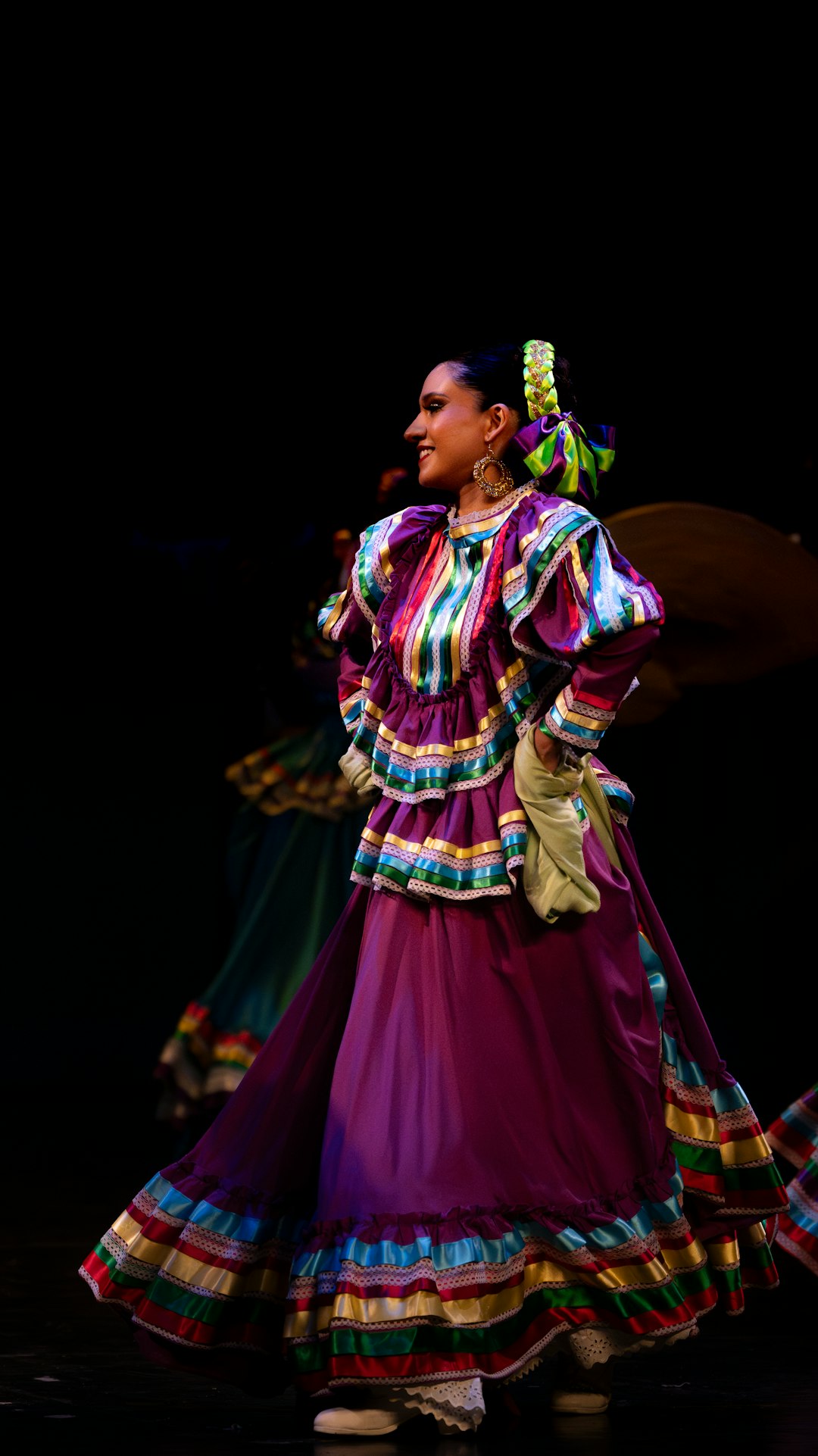
In a dimly lit milonga in Buenos Aires, a couple embraces. Their chests touch; their eyes may meet or drift closed. No choreography dictates their next step—only the bandoneón's sigh, the shared weight between bodies, and a century of accumulated history. This is tango: born in the 1880s on the margins of Argentine society, condemned as scandalous, celebrated as high art, forgotten, resurrected, and now danced on every inhabited continent.
The Crucible: Immigration and Innovation (1880s–1910s)
Tango emerged not from a single source but from collision. Between 1880 and 1930, six million Europeans—mostly Italian and Spanish—poured into Buenos Aires and Montevideo, Uruguay. They brought polkas, mazurkas, and waltzes. They encountered Afro-Argentine and Afro-Uruguayan candombe rhythms, Cuban habanera, and the indigenous milonga—a fast, earthy dance already popular on the pampa.
The result took shape in arrabales—working-class suburbs and waterfront barrios like La Boca and San Telmo. Here, compadritos (streetwise dandies) refined a dance of close embrace and improvised walking, performed in brothels, bars, and academias—dance halls where men practiced with each other before attempting the risky business of leading a woman. Tango was tangó then, possibly from the Latin tangere (to touch), possibly from West African tango (drum gathering). What mattered was its reputation: banned in polite society, embraced by the marginal.
Everything changed in 1913. Tango exploded in Paris. Suddenly the same dance that Argentine elites disdained became le tango argentin, the obsession of European aristocracy. The export version was sanitized—more open embrace, more theatrical kicks—but the damage to tango's respectability at home was irreversible. By 1920, it was Argentina's national music.
The Golden Age: Orchestra and Dance Floor (1935–1955)
If the 1910s brought tango to the world, the 1940s and 1950s perfected it at home. This was the Época de Oro—the Golden Age—when Buenos Aires supported three hundred orquestas típicas and milongas operated nightly across the city.
The sound was orchestral, not solo: four bandoneóns, four violins, piano, bass. Juan D'Arienzo accelerated the tempo, creating the "rhythmic" style that dominated dance floors. Aníbal Troilo's orchestra balanced rhythm with melancholy. Carlos Di Sarli perfected the "walking" tango—elegant, unhurried, devastating. Lyricists like Homero Manzi and Enrique Santos Discépolo wrote verses of urban despair and nostalgia that Argentines still quote.
Dancers divided into styles. Salon tango emphasized floorcraft and social navigation; milonguero kept the embrace tighter still, chest-to-chest, suitable for crowded venues. These were not performance styles but social technologies—ways of moving through space with another body, invented nightly by thousands of anonymous couples.
The Fall and the Rebel (1955–1983)
Tango did not simply evolve; it nearly died. Rock nacional swept Argentine youth in the 1960s. The 1966 military coup and the 1976–1983 dictatorship made tango's nostalgia dangerous, its gatherings suspect. Many milongas closed; musicians emigrated.
Astor Piazzolla—born in 1921, raised in New York, trained in Paris with Nadia Boulanger—emerged during this decline. The Golden Age figures were his elders, not his peers. Piazzolla's tango nuevo (1955–1992) was deliberate rupture: María de Buenos Aires (1968), an operita; collaborations with jazz musicians and the Kronos Quartet; compositions too complex for social dancing. Traditionalists called it "not tango." Piazzolla replied that everything else was "stagnant." Both were right.
The Resurrection: From Broadway to Berlin (1983–Present)
Tango's revival was engineered, not organic. In 1983, Tango Argentino opened on Broadway—Claudio Segovia and Héctor Orezzoli's staged anthology of Golden Age styles. The show ran six years, toured globally, and trained a generation of non-Argentine dancers. In 1997, Sally Potter's film The Tango Lesson featured Pablo Verón; in 2002, the Gotan Project fused