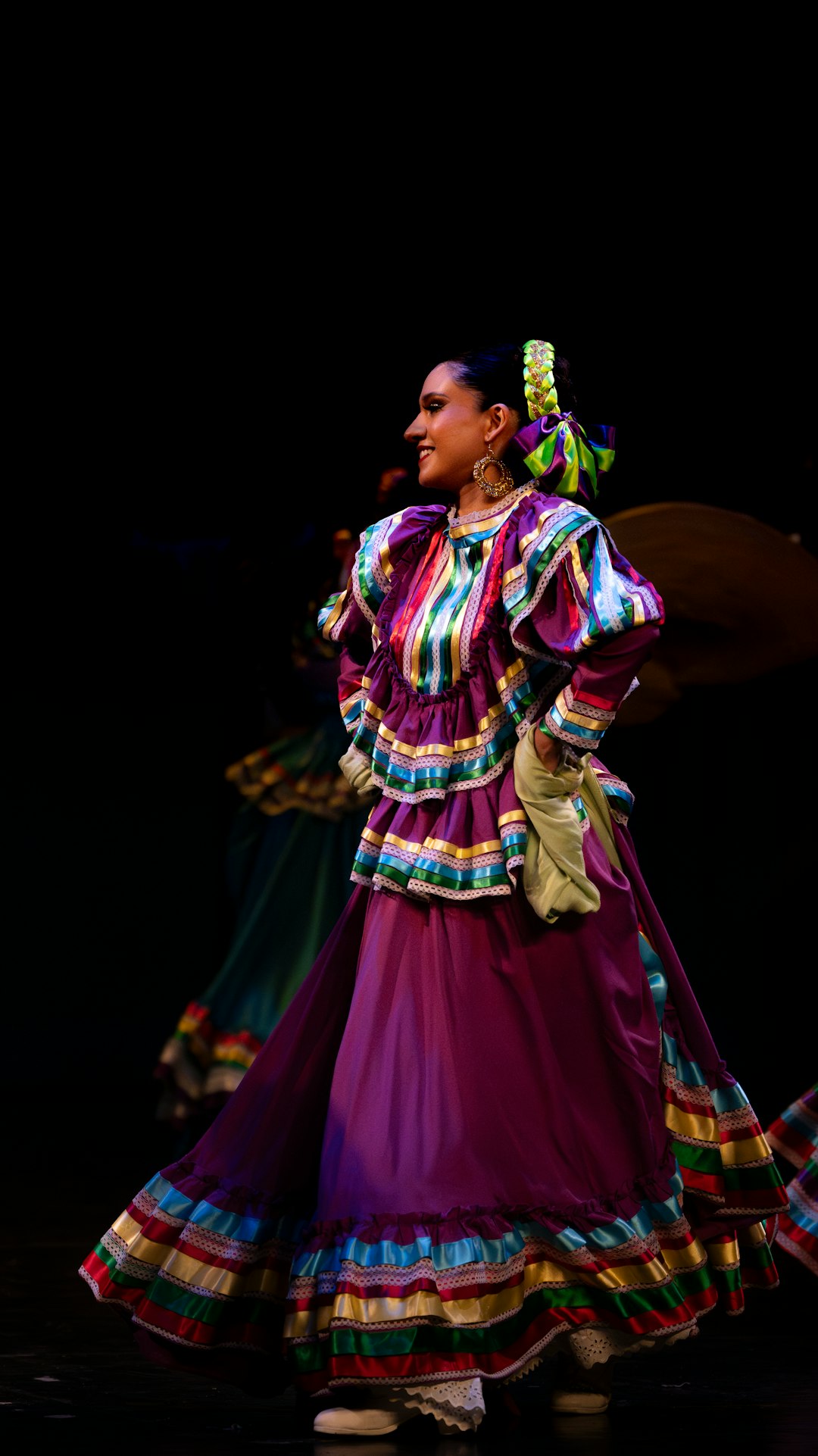
You step through the doors of a Buenos Aires milonga, and before you've embraced your first partner, your clothing has already spoken. In tango culture, attire signals experience level, respect for tradition, and invitation to dance. Whether you're navigating the candlelit formality of a century-old confitería or the experimental energy of a Berlin warehouse practica, strategic wardrobe choices determine how you move, how partners perceive you, and whether you'll survive three hours on your feet.
The Hierarchy: Prioritize Like a Professional
Shoes First, Everything Else Second
Before considering fabric or silhouette, address your feet. Tango demands precise balance, controlled pivots, and sustained connection to the floor. The wrong shoes create instability that no perfectly fitted dress can compensate for.
For leaders: Leather-soled shoes with 2-3cm heels provide the controlled slide and grounded axis essential for clean leading. Suede soles accumulate too much dust on busy floors; rubber grips unpredictably.
For followers: Heels between 6-8cm position weight forward for proper posture, though experienced dancers sometimes prefer lower heights for marathon milongas. Straps must secure the ankle without restricting flexion—test with deliberate boleos before committing to a full night.
Universal rule: Break in new shoes at home. A milonga is not the venue for discovering blisters or unstable arches.
The Fit Formula: Movement Tests Before Leaving Home
Tango vocabulary—ochos, ganchos, volcadas—requires articulation that street clothes rarely accommodate. Perform these three tests in front of a mirror before departing:
-
The Ocho Spiral: Rotate through a complete figure-eight pattern. Does your top ride up? Do waistbands shift? Any adjustment mid-dance breaks connection with your partner.
-
The Embrace Compression: Press your torso against a wall (simulating close embrace). Does neckline gape? Do buttons strain? Fabric should maintain integrity without compression marks on skin.
-
The Boleo Extension: Kick backward with controlled height. Skirts should settle without requiring adjustment; pants should allow full hip extension without waistband migration.
The 2-4% stretch principle: Natural fibers with minimal elastane—merino wool blends, Tencel, high-quality cotton jersey—provide recovery without the slipperiness of full synthetics. Pure linen wrinkles into distraction; pure polyester traps heat and odor in sustained close contact.
Venue-Specific Dress Codes
| Setting | Leaders | Followers | Critical Details |
|---|---|---|---|
| Traditional Milonga (Buenos Aires, European capitals) | Jacket or structured blazer; dark trousers; leather shoes | Knee-length or longer dresses; closed-toe heels; subtle jewelry | Avoid jeans, sneakers, visible athletic wear; elegance signals respect for codigos |
| Practica (all levels) | Fitted trousers; breathable button-down or polo; practice shoes acceptable | Leggings with tunics; wrap dresses; low-maintenance hair | Function over form; you'll repeat sequences dozens of times |
| Festival Marathon | Layered pieces for temperature shifts; multiple shoe pairs | Separates that mix/match; wrinkle-resistant fabrics; compression underlayers | 6+ hours dancing demands moisture management and strategic outfit changes |
| Nuevo/Alternative Venue | Individual expression permitted; designer casual; unconventional footwear | Experimental silhouettes; bold color; architectural pieces | Research specific community norms—variation is extreme |
Fabric Science: Why "Performance Wear" Often Fails
The athletic apparel industry markets moisture-wicking synthetics for partner dancing, but tango presents unique challenges:
- Slipperiness: Polyester blends against polyester create micro-slides that destabilize close embrace. Natural fibers provide controlled friction.
- Odor retention: Hours of sustained chest-to-chest contact in synthetics produce irreversible bacterial colonization. Merino wool's antimicrobial properties outperform despite higher initial cost.
- Temperature regulation: Milongas oscillate between overheated floors and drafty corners. Cotton traps moisture when saturated; wool maintains insulative properties when damp.
Recommended combinations: Silk-cotton blends for draped tops; Tencel-lyocell for trousers; merino jersey for base layers in cooler venues.
Lessons from the Dance Floor
The neckline that betrayed: A follower wore a beautifully draped cowl-neck top that shifted dramatically during ochos, requiring constant readjustment. Her partners reported distraction; she missed three tandas recovering modesty. Solution: Test all necklines with rotational movement; secure with fashion tape or choose structured alternatives.
The jacket that imprisoned: A leader invested in a restrictive blazer for his first Buenos Aires milonga. Unable to extend his embrace fully, his dancing appeared tentative and unwelcoming. Solution: Jackets require shoulder construction that permits 180-degree arm extension