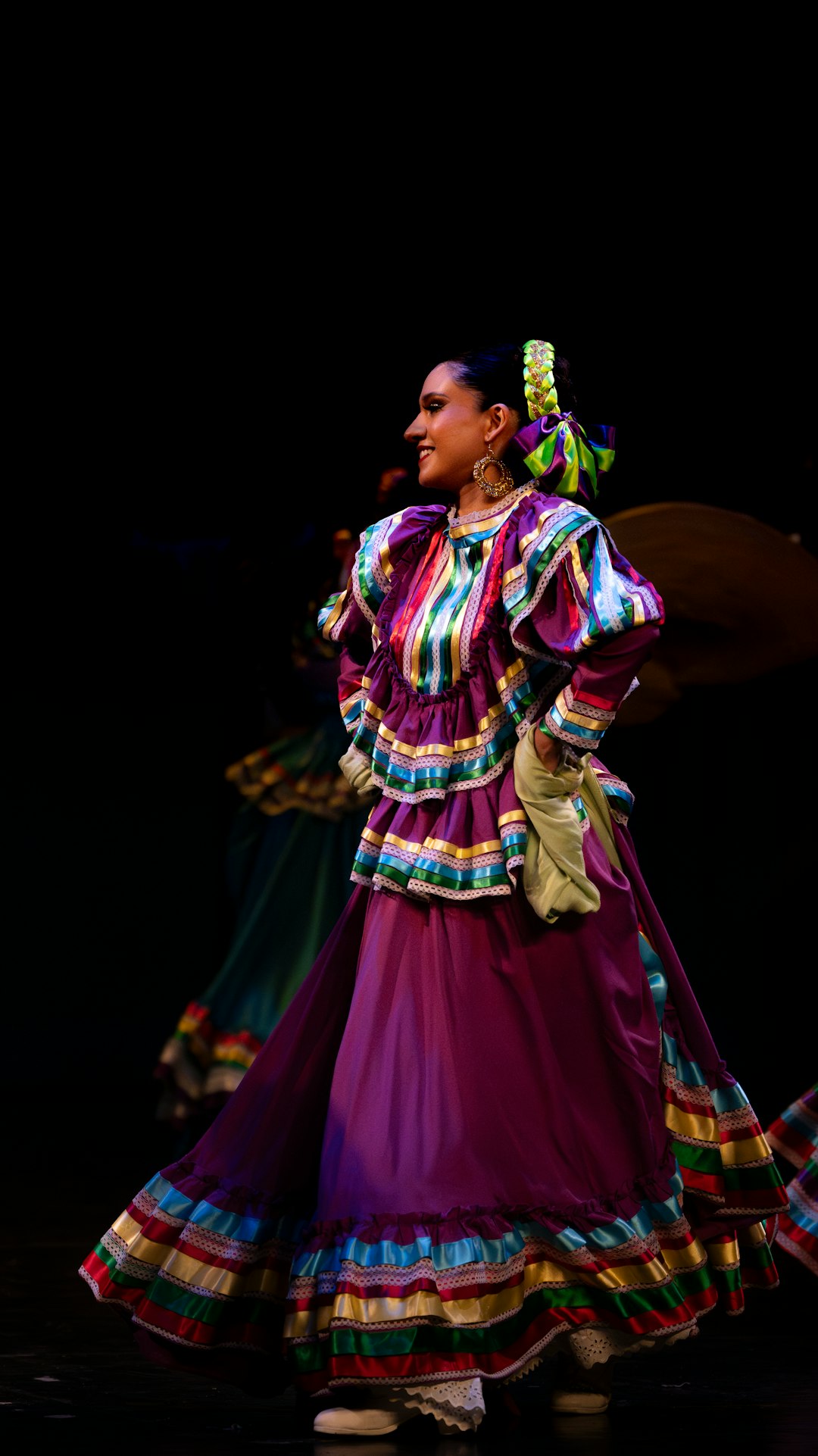
Tango has always been a dance of contradictions: born in the marginal spaces of late-19th-century Buenos Aires and Montevideo, embraced by European aristocracy by 1910, then romanticized as Argentina's golden-age heritage even as it nearly vanished from its birthplace. The 21st century has intensified these tensions. What we call "tango" today is not a single evolution but multiple, sometimes competing transformations—driven by technology, geographic dispersal, and the eternal debate over what constitutes "authentic" tango in the first place.
The Digital Disruption: YouTube Changes Everything (2000–2010)
The most consequential shift in contemporary tango history began not in a milonga but with the 2005 launch of YouTube. Within five years, instructional content that once required pilgrimage to Buenos Aires became available in 480p resolution to anyone with internet access.
Diego Benavidez's channel "Tango Tips with Diego," launched in 2008, now commands 1.2 million subscribers. More significantly, it enabled what anthropologist Carolyn Merritt calls "deferred apprenticeship"—learning through fragmented, repeatable observation rather than embodied correction in a crowded salon. The consequences were immediate and global. By 2010, dancers in Seoul, Moscow, and Cape Town could study the sacadas of Mariano "Chicho" Frúmboli—the choreographer who pioneered tango nuevo by integrating release technique from contemporary dance—without ever boarding a flight to Argentina.
"The screen is a terrible teacher for embrace," notes Geraldine Rojas, who with partner Sebastián Arce helped define the nuevo aesthetic in the early 2000s. "But it democratized access. We suddenly had students in places where no maestro had ever visited."
This democratization came with costs. Traditional milongueros, the working-class dancers who preserved tango through Argentina's military dictatorships and economic collapses, found their embodied knowledge suddenly competing with viral clips of spectacular tango escenario (stage tango) lifts. The distinction between social and performance tango—always present—became a chasm visible to anyone with a smartphone.
The Boom Years: Festivals, Tourism, and the Global Circuit (2010–2019)
If the 2000s democratized access, the 2010s professionalized it. The number of registered tango academies worldwide grew from approximately 800 in 2000 to over 3,000 by 2019, according to estimates compiled by Tango Dance Academy, a global instructor directory. Festival culture exploded: the Istanbul International Tango Festival, founded in 2006, drew 2,500 participants by 2018; Berlin's alternative scene spawned parallel events like TangoMundo, explicitly welcoming queer and experimental forms that traditional Buenos Aires milongas often excluded.
This period also marked tango's institutional consecration. UNESCO's 2009 designation of tango as Intangible Cultural Heritage of Humanity—jointly awarded to Argentina and Uruguay—triggered complex reactions. Argentine state funding for traditional milongas increased, but so did "tango tourism," where visitors paid premium prices for packaged "authentic" experiences in sanitized venues. Longtime dancers reported displacement: the famous milonga La Viruta, operating since 1994, faced rent increases that threatened closure multiple times, emblematic of broader gentrification in Buenos Aires' tango neighborhoods.
"The heritage designation saved us and betrayed us simultaneously," says Verónica Toumanova, a Moscow-born dancer who relocated to Paris and writes extensively on tango's cultural politics. "It preserved the vocabulary of tradition while often evacuating its social conditions."
The Pandemic Pivot: Virtual Survival and Community Fracture (2020–2022)
No account of 21st-century tango can omit COVID-19. The pandemic forced an art form defined by close embrace—abrazo—into physical isolation. The response revealed both tango's technological adaptability and its existential dependence on presence.
Zoom milongas emerged within weeks of global lockdowns. Dancers connected from separate rooms, executing solo movements in synchronous video grids. Instructors like Pablo Repetto in Buenos Aires and Olga Metzner in Berlin developed "tango solo" curricula that paradoxically emphasized individual technique for a partnered dance. Some communities flourished: dancers with mobility limitations, previously excluded from crowded floors, reported unprecedented participation.
Yet the losses were severe. An estimated 40% of professional tango instructors globally left the field between 2020 and 2022, according to a survey by Tango Afficionado magazine. Traditional milongas, already vulnerable, closed permanently. The milonga El Beso, a San Telmo institution since 1996, shutter