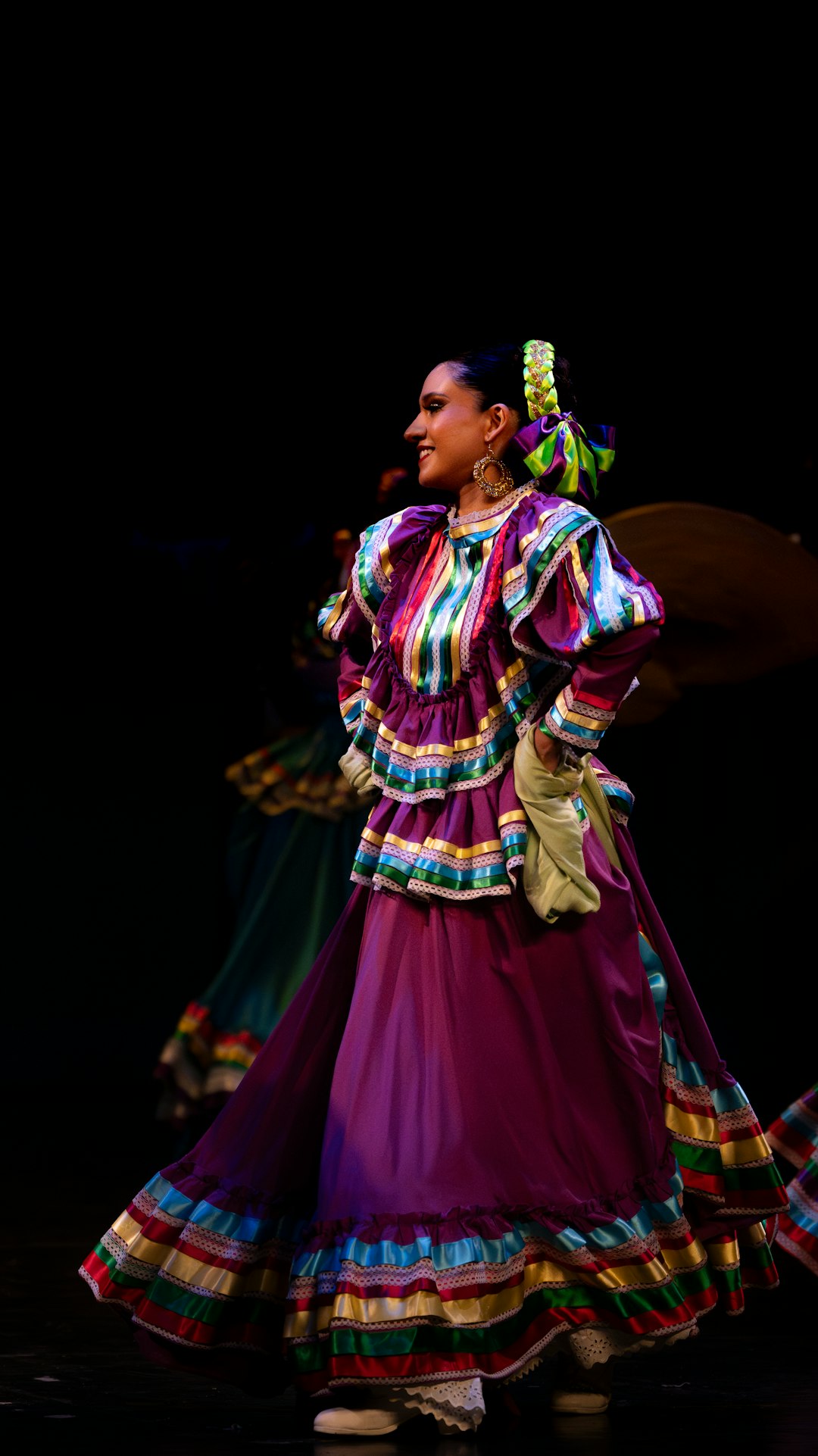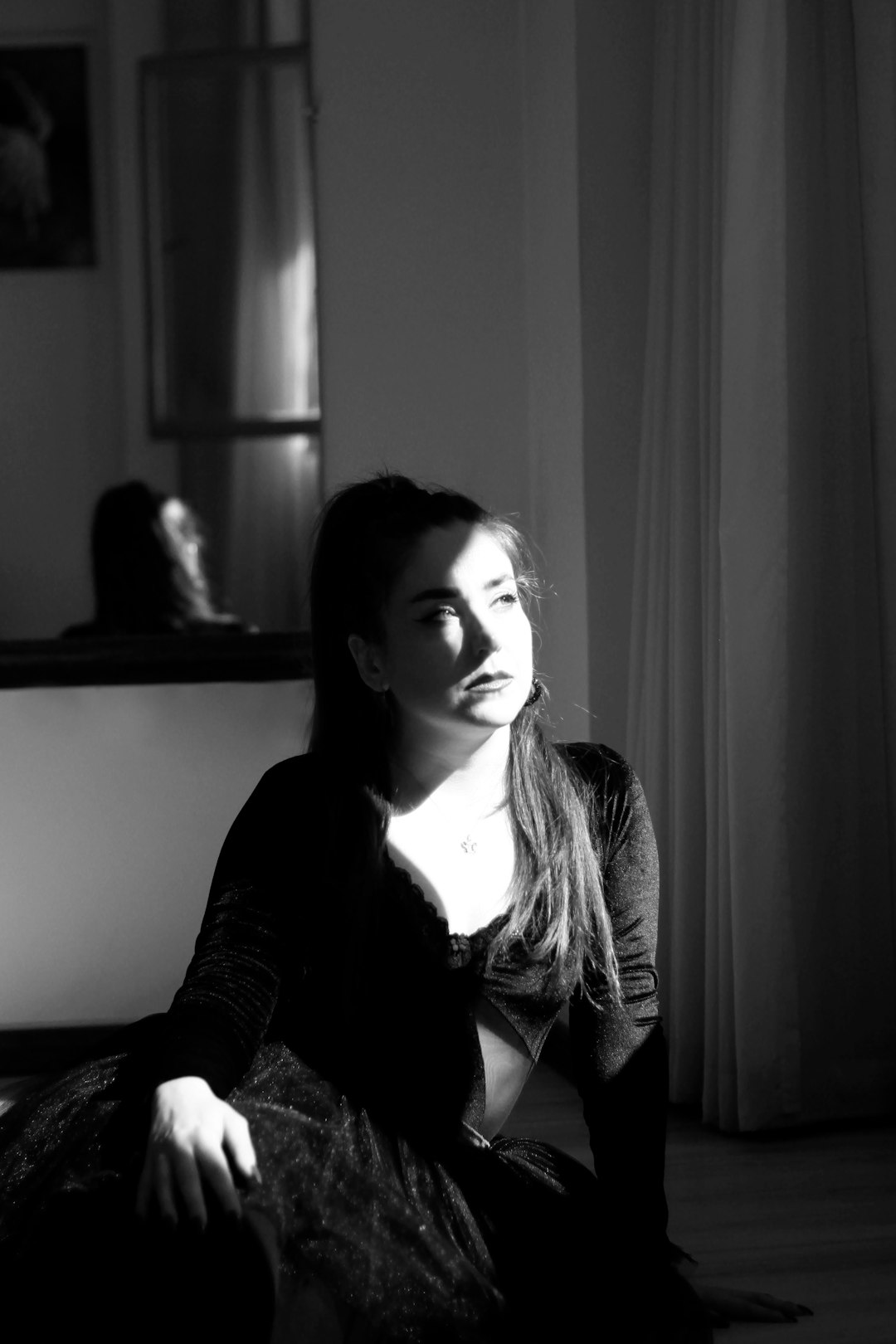
In a Buenos Aires milonga at 2 AM, two strangers meet in an embrace so close their hearts nearly touch. Three minutes later, they separate—having shared something neither can name. This is tango's mystery: intimacy without introduction, passion without preamble.
For over a century, this dance born in the dockside brothels of Argentina has seduced the world. But tango's power lies not in its history or technique. It lies in what happens between two bodies when the bandoneon begins its sigh—part accordion, part human breath—and the room suddenly feels smaller.
From the Margins to the Mainstream
Tango emerged in the late 19th century where cultures collided: the port city of Buenos Aires, where African rhythms met European immigrants' melancholy and indigenous Argentine cadences. It was music for the excluded—laborers, immigrants, the poor—who transformed their displacement into art.
By 1913, tango had conquered Paris. The city's elite, scandalized and entranced, packed cabarets to watch dancers whose bodies spoke a language politer society had forgotten. Overnight, the dance of Buenos Aires's underclass became the sensation of European drawing rooms. Argentina had exported its soul, and the world has never stopped wanting more.
The Body Remembers What Words Forget
Tango does not ask permission. The abrazo—the embrace—closes distance immediately. Ribcages converse. Each partner learns the other's breath, responding to expansion and contraction like shore to tide. This is not the choreographed distance of ballet or the athletic display of ballroom. This is conversation made physical.
The steps themselves carry emotional weight. The ocho—figure eights traced on the floor—suggests repetition and return, the way longing circles back on itself. The gancho, a leg hooking sudden and sharp, interrupts pattern with desire. The molinete, the follower circling the leader like a satellite caught in gravity, embodies devotion and orbit. Each movement is precise yet fluid, controlled yet abandoned.
Dancers speak of "the conversation"—not metaphorically, but as actual exchange. A shift of weight invites; a hesitation questions; a parada (foot stopping against foot) demands attention. The best partnerships achieve what tango master Carlos Gavito called "two bodies with four legs and one heart."
The Music That Lies
Tango music promises four beats per measure, then steals one. The bandoneon—an instrument invented for German churches, hijacked for Argentine brothels—inhales more than it exhales. That rhythmic breathlessness teaches the body urgency.
Traditional orquestas típicas—featuring bandoneon, piano, violin, and bass—created the Golden Age sound of the 1930s-50s. Juan D'Arienzo's driving rhythms made dancers' feet fly; Carlos Di Sarli's lush orchestrations demanded restraint and suspension. Then came Astor Piazzolla, who in 1955 unleashed "Libertango" and split the tango world in two. Traditionalists called his jazz-classical fusion betrayal; others recognized evolution. Today, both streams flow—some dancers preferring the purity of Canaro, others seeking the edge of electro-tango fusion.
What unifies all tango music is its emotional range within narrow parameters. A single tanda (three or four songs by the same orchestra) can move from swaggering confidence to devastating vulnerability without changing tempo. The dancer's task is to follow that emotional topography, letting the body become the music's geography.
The Dancer as Translator
To dance tango well requires technical mastery and emotional transparency—rarely found together. The dancer must execute ochos with precision while appearing to act on impulse. The face must remain available, not performing emotion but revealing it. Watch María Nieves or Pablo Verón: their technique disappears into expression.
Contemporary tango has splintered into styles with distinct emotional registers. Salon tango, danced in crowded traditional milongas, values subtlety and social connection—small steps, close embrace, improvisation within constraint. Nuevo tango, influenced by Piazzolla and contemporary movement, expands the embrace, incorporates floor work and athletic lifts, makes the private performance. Milonguero style returns to the 1940s: aprons of space, no embellishment, pure connection.
Each style answers the same question differently: how do two people, bound by music and proximity, honor both their separateness and their union?
The Story Without End
Tango narratives always circle the same territory: love that arrives unbidden, connection that cannot last, loss that defines more than possession. The dance enacts what we know but resist acknowledging—that intimacy is temporary, that presence is precious because