Tango demands more than passion—it requires clothing that works as hard as you do. Whether you're stepping onto the milonga floor for your first social dance or preparing for a spotlight performance, your outfit shapes every pivot, embrace, and dramatic pause. This guide cuts through generic fashion advice to deliver what tango dancers actually need: technical knowledge, cultural awareness, and practical strategies for building a wardrobe that enhances your movement.
Know Your Tango: Style Dictates Silhouette
Before browsing dancewear catalogs, clarify which tango world you're entering.
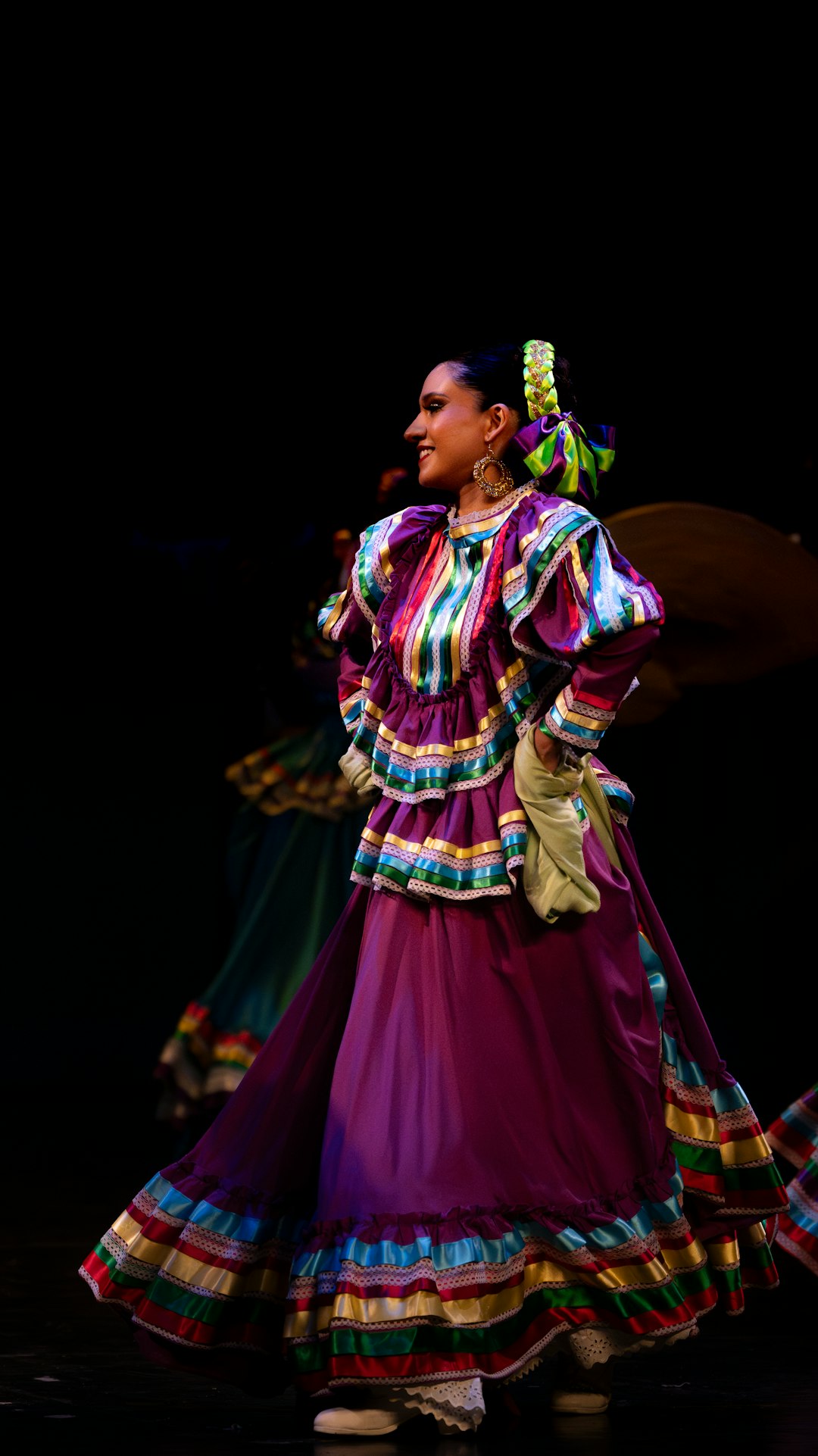
Traditional Argentine tango favors elegance with restraint: fitted silhouettes, solid colors, and classic lines that honor Buenos Aires milonga culture. Nuevo and fusion styles welcome experimentation—asymmetrical cuts, bold patterns, and contemporary fabrics. Stage tango demands theatricality: flowing skirts that catch air, dramatic necklines, and pieces designed for visibility under lights.
Your personal aesthetic matters, but so does authenticity to your chosen style. A minimalist dancer in over-the-top fringe reads as disconnected; a stage performer in understated social-dance attire disappears under spotlights.
The Shoe Imperative: Why Street Shoes Fail
Tango footwear is specialized equipment, not fashion accessorized with function. The wrong shoes damage floors, compromise technique, and risk injury.
For Men
Invest in dedicated tango shoes with suede soles. Street shoes—oxfords, loafers, anything with leather or rubber soles—lack the flexibility and controlled glide that tango technique demands. They also mar wooden dance floors.
Your options:
- Standard heel (2.5cm): Versatile for social dancing and learning
- Cuban heel (4cm): Traditional profile, extends leg line, common in stage performance
Prioritize lace-up styles with sturdy construction through the arch. The shoe should flex at the ball of the foot while maintaining lateral stability for pivots.
For Women
Tango shoes differ from standard heels in three non-negotiable ways:
| Feature | Why It Matters |
|---|---|
| Suede sole | Controlled slides and pivots; rubber grips, leather slips unpredictably |
| Centered or back-set heel | Fashion heels place weight forward—tango requires vertical alignment for balance |
| Secure strapping | T-strap, criss-cross, or ankle straps prevent foot shift during quick direction changes |
Heel height by experience:
- Beginners: 5–6cm for stability while learning axis control
- Intermediate/Advanced: 7–8cm for extended leg lines and established technique
Toe configuration: Open-toe styles allow visible toe articulation and point; closed-toe protects feet in crowded milongas and close embrace. Many dancers own both.
Dress for the Occasion: Decoding Dress Codes
Tango events carry unspoken expectations. Misread them, and you risk discomfort or social friction.
Milongas (social dances):
- Women: Knee-length to midi skirts or tailored pants. Floor-length skirts tangle in crowded line-of-dance conditions. Avoid excessive décolletage—close embrace places you chest-to-chest with partners.
- Men: Collared shirts, dress pants, optional jacket. Dark colors dominate; save bright statements for practicas.
Performances:
- Venue dictates everything. Intimate club settings favor sophisticated social wear. Theater stages demand constructed costumes with underlayers for modesty during high leg extensions.
- Always confirm with organizers: some events enforce strict formality; others celebrate creative interpretation.
Practicas: This is your testing ground. Wear what you're considering for performance—discover binding seams, slipping straps, and transparency issues before the spotlight finds you.
Dress for Movement, Not Just Appearance
Tango vocabulary—pivots, lunges, ochos, boleos—destroys garments that merely look good. Fabric selection determines whether you dance freely or fight your clothing.
What to seek:
- 4-way stretch in bodices and pants for unrestricted range of motion
- Medium-weight draping in skirts: chiffon, jersey, stretch crepe. Too light flies up during turns; too heavy restricts momentum
- Moisture-wicking linings for temperature regulation during intense tandas
What to avoid:
- Stiff tulle (catches on everything, including partners)
- Unlined lace (scratchy against skin in close embrace)
- Non-stretch fabrics in shoulders and arms (restricts frame and embrace)
- Exposed zippers or hardware (pressure points during contact)
The sit test: Before purchasing, sit deeply. If waistbands dig, skirts ride up, or jackets pull across the back, the garment fails tango's fundamental requirement: comfort through dynamic posture changes.