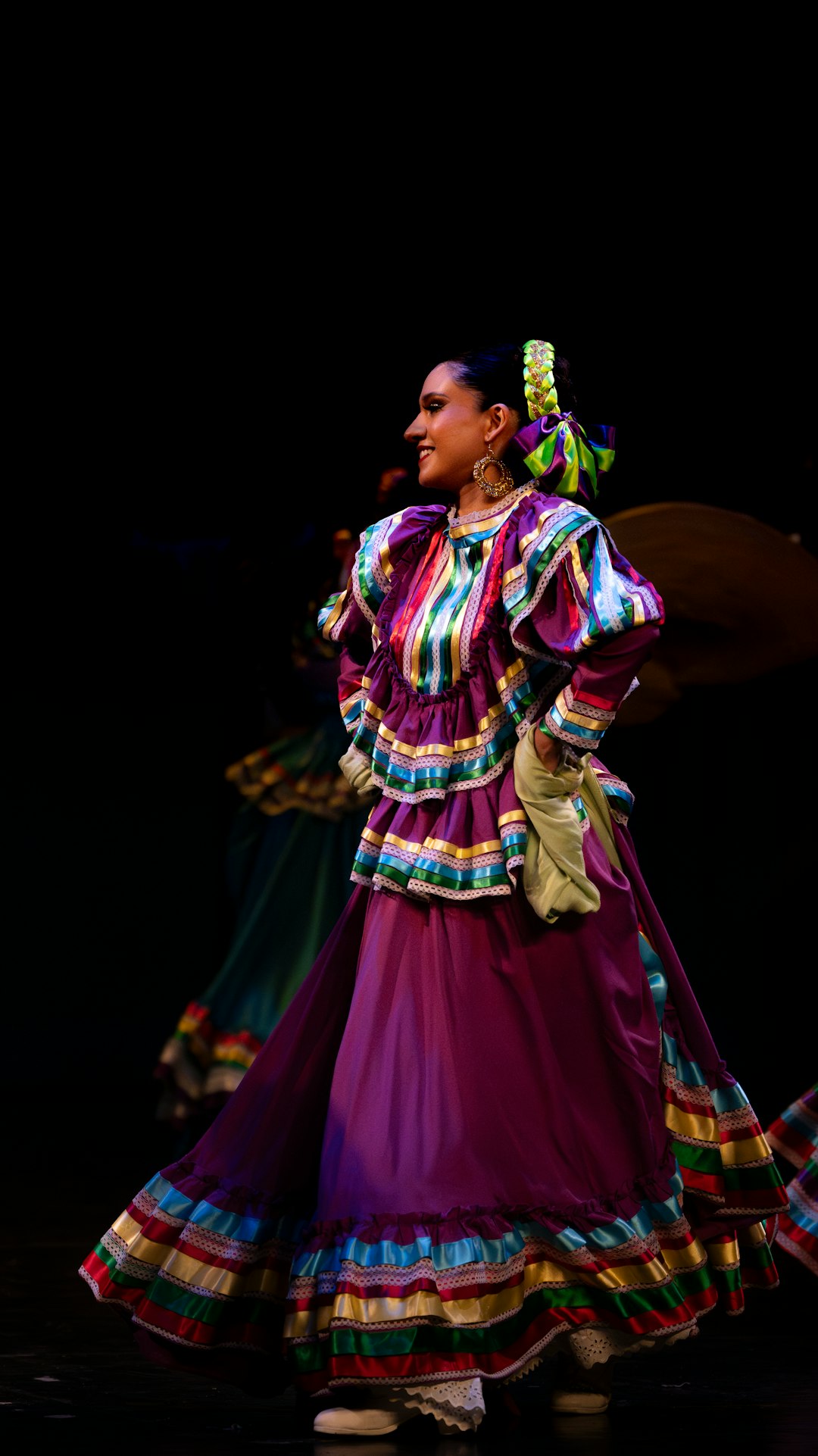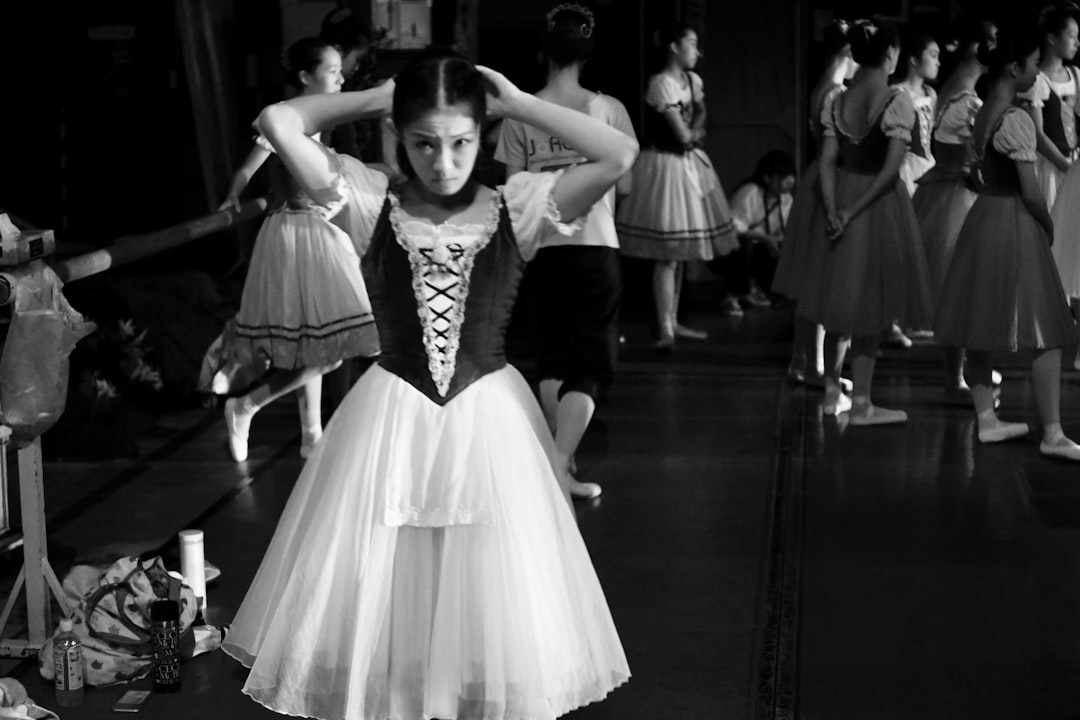
The mirror-lined walls of a traditional milonga reveal more than dance technique—they reflect a century of sartorial tradition. Whether you're stepping into your first social dance or refining your presence on the floor, understanding tango dress codes separates the tourist from the regular. This guide cuts through generic fashion advice to address what actually matters: how your clothes function in the embrace, signal your intent to the room, and honor the cultural context of the dance.
The Tango Body: What Your Clothes Must Do
Tango demands three physical capacities from your attire: pivot (rotation through the hips), extend (leg projection in any direction), and embrace (unrestricted torso connection). Any garment that inhibits these movements will fight you for three hours. Before considering aesthetics, test your outfit against these functional requirements.
Fabric Selection
| Avoid | Choose Instead | Why |
|---|---|---|
| Wool, heavy cotton | Viscose/rayon, modal, quality stretch jersey | Breathability during sustained aerobic activity |
| 100% synthetic blends | Natural fibers with 5–10% elastane | Temperature regulation; prevents overheating |
| Stiff or starched materials | Fluid draping fabrics | Follows the body's momentum without resistance |
Critical detail: Pre-wash everything. Unwashed fabrics may bleed dye onto partners during close embrace—a mortifying and expensive mistake.
For Leaders: The Architecture of Elegance
Men's tango fashion operates on subtraction: every element must justify its presence through function or clean line.
Trousers
- No break at the ankle—fabric should barely graze the shoe without folding. Excess material catches on heels during ochos and sacadas.
- High rise preferred; low-rise pants expose shirt and back during certain movements.
- Side adjusters or suspenders, never belts. Belts create bulk at the exact point of closest contact with your partner.
Shirts
- Close-fitting through torso with sufficient shoulder mobility for embrace extension.
- Stay-tuck construction or shirt garters mandatory. A blouse untucked mid-tanda destroys the line.
- Substantial collar that frames the face without collapsing during the embrace.
The Saco (Jacket)
The tailored jacket serves functional purpose in tango: it structures the shoulders, creates clean visual lines, and provides pockets for cabeceo essentials (mint, handkerchief, shoe brush). In humid climates or crowded venues, the saco comes off after the first tanda—hence the importance of the shirt underneath.
Shoes
Flat to 1-inch heel, leather sole with suede overlay or proper dance sole. Street shoes with rubber soles stick dangerously; pure leather soles slide uncontrollably on polished floors. The ideal compromise is a dedicated tango shoe with balanced flexibility and grip.
For Followers: Movement as Display
Women's tango fashion balances visibility with safety—your footwork should be seen, your legs should be free, your connection should be unimpeded.
Skirts and Dresses
- Slit placement determines function: Front slits tangle between legs during ochos; side or back slits allow extension without hazard. Asymmetrical hemlines achieve visibility while maintaining coverage.
- Length: At or below the knee for traditional milongas; mid-calf to ankle for dramatic effect. Mini skirts are inappropriate for close-embrace dancing and may be refused by experienced leaders.
- Volume: A-line or fitted silhouettes. Full circle skirts require constant management and can obscure your partner's view of your feet.
Tops
- Secure construction through the shoulders—spaghetti straps slip during volcadas.
- Low-back compatibility with your foundation garment. The tango bra (seamless, low-back, structured without underwire pressure points) is a specialized investment worth making.
- No necklaces. They catch in partners' clothing, tangle in embrace adjustments, and have caused actual injuries during dips.
Shoes
Heel height: 2.5 to 3.5 inches for optimal axis and leg line. Below 2 inches compromises posture; above 3.5 inches strains the metatarsal over multiple tandas. The heel must be positioned directly under the heel bone, not the arch—this is the difference between tango shoes and street heels.
Reading the Room: Four Milonga Types
Dress codes vary dramatically by venue culture. Misreading the room marks you as inexperienced.
| Venue Type | Location Examples | Appropriate Attire |
|---|---|---|
| Traditional Salón | Salón Canning, El Beso (Buenos Aires); certain European venues | Formal: suits or dress shirts for leaders; elegant dresses or skirts for |