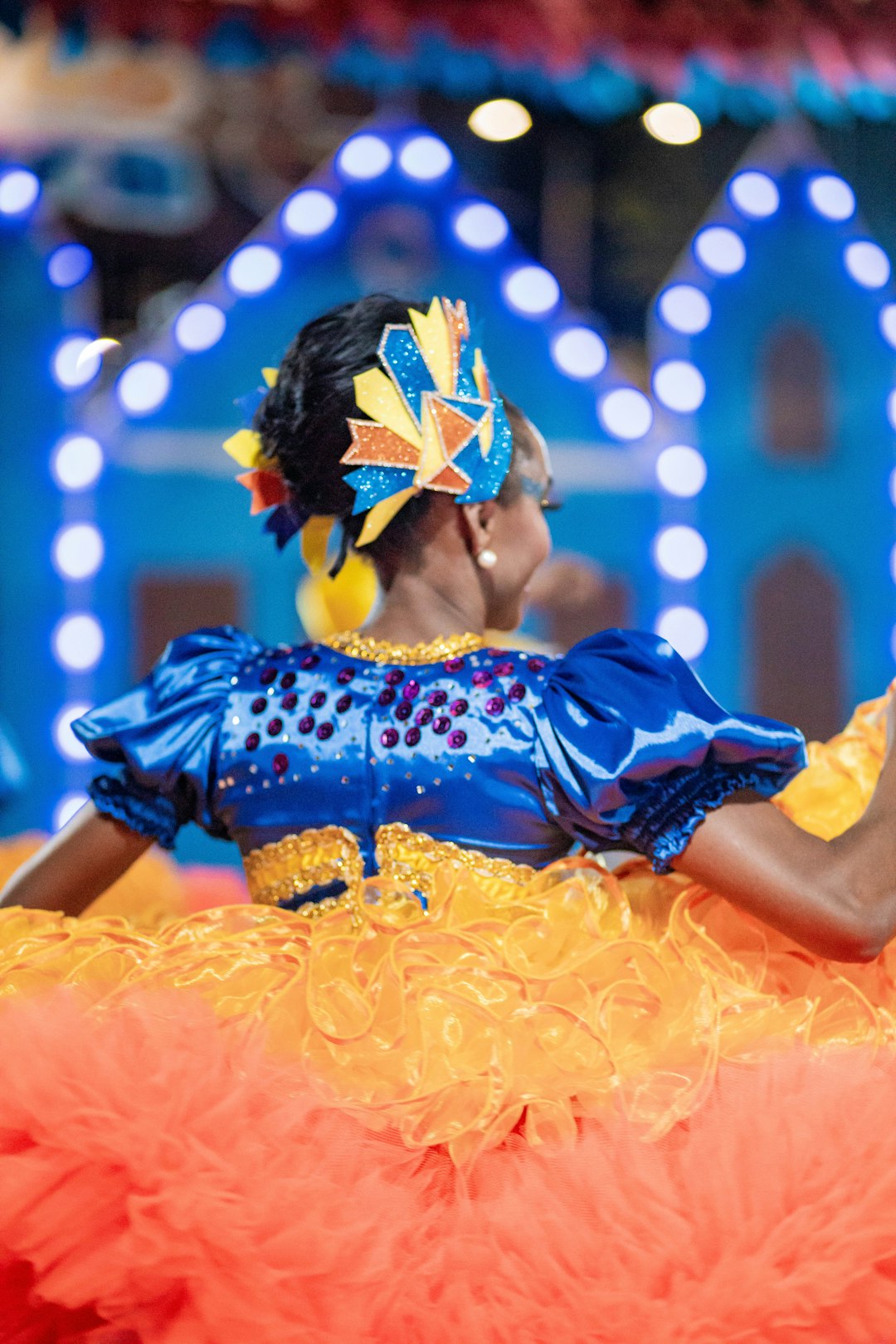
The moment Rosa María thrust her arms skyward, her bata de cola unfurled like a peacock's plumage—six meters of ruffled silk that seemed to have a life of its own. That dress wasn't just fabric; it was a partner in her soleá.
Whether you're stepping into your first sevillanas class or preparing for a tablao debut, your flamenco outfit determines not just how you look, but how you move. Born in the tablaos and cuadros of Andalusia, where Roma, Moorish, and Spanish traditions merged in 18th-century Seville, the traje de flamenca carries centuries of cultural memory. Here's what decades of dancing—and dressing—have taught about choosing attire that honors tradition while serving your body.
Understanding the Traje de Flamenca: More Than Costume
The traje de flamenca functions as cultural symbol, not mere costume. Its evolution from working-class Andalusian dress to performance wear reflects flamenco's own journey from marginalized art form to UNESCO-recognized heritage. When you select your outfit, you participate in this living tradition.
The Two Paths: Traje vs. Falda y Blusa
The Traje de Flamenca (Traditional Dress) A one-piece garment featuring fitted bodice, defined waist, and voluminous skirt with volantes (ruffles). The number of ruffles once carried social meaning—traditionally one indicated an unmarried woman, two signified marriage. Today, three or more volantes dominate performance wear for their visual impact during turns.
Choose the traje for:
- Formal tablao performances
- Regional fairs (ferias) and competitions
- Choreographed ensemble pieces
The Falda y Blusa (Skirt and Blouse) Separate pieces offering versatility and easier sizing. The falda (skirt) requires the same volume as a traje skirt, while the blusa demands specific construction to stay put during vigorous arm movements.
Choose separates for:
- Weekly practice sessions
- Student recitals
- Dancers between standard sizes
Skirts and Dresses: Engineering Movement
Circumference and Volume
| Purpose | Minimum Circumference | Fabric Weight |
|---|---|---|
| Beginner practice | 3 meters | Light cotton or crepe |
| Intermediate alegrías | 4–5 meters | Medium-weight polyester blend |
| Performance bata de cola | 6+ meters | Silk or heavy satin |
The bata de cola—the long-trained dress used for slower, dramatic palos like soleá and bulerías por soleá—demands specialized technique. Its train requires conscious manipulation; beginners should master skirt work in a traje corto (knee- or calf-length dress) before attempting the full bata.
The Critical Fit: Waist and Mobility
A proper traje fits snugly at the natural waist—never the hips—with boning or heavy interfacing in the bodice to prevent collapse during braceo (arm work). The skirt should sit high enough to allow deep plie-like positions without revealing undergarments, yet not so tight that breathing becomes restricted during extended cante phrases.
Common mistake: Choosing a waistband that grips the hips rather than the natural waist. This destroys the silhouette and restricts zapateado (footwork).
Fabric Selection
- Cotton poplin: Breathable, affordable, ideal for humid practice studios
- Crepe de chine: Fluid drape, moderate price, excellent for intermediate performers
- Silk satin: Maximum movement reflection, professional standard, requires dry cleaning
- Avoid: Slippery polyester blends that resist controlled manipulation; stiff fabrics that won't flow with molinete turns
The Blouse: Engineering Stability
The canesú (yoked construction) separates functional flamenco blouses from generic fitted tops. This reinforced shoulder and upper back panel prevents the blouse from riding up when arms extend overhead—a constant hazard in braceo.
Essential features:
- Snug torso fit with darting or princess seams
- Manga farol (puffed lantern sleeves) ending at or above the elbow for unimpeded arm extension
- Back closure (buttons or hooks) rather than front, maintaining clean lines
- Gripper strips or interior elastic at the waistband to anchor the skirt overlap
Footwear: Where Technique Begins
Flamenco shoes (zapatos de flamenco) function as percussion instruments. Their