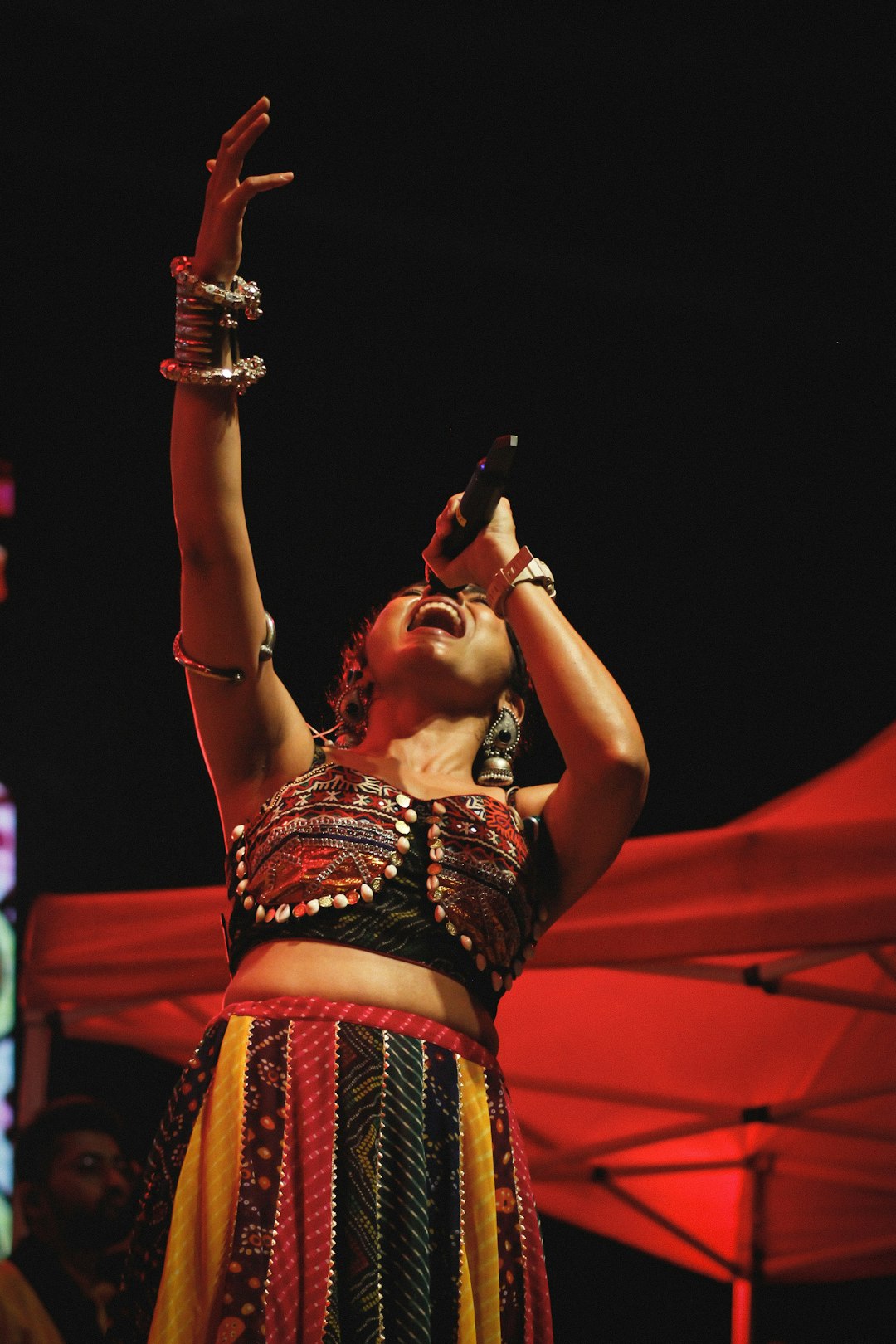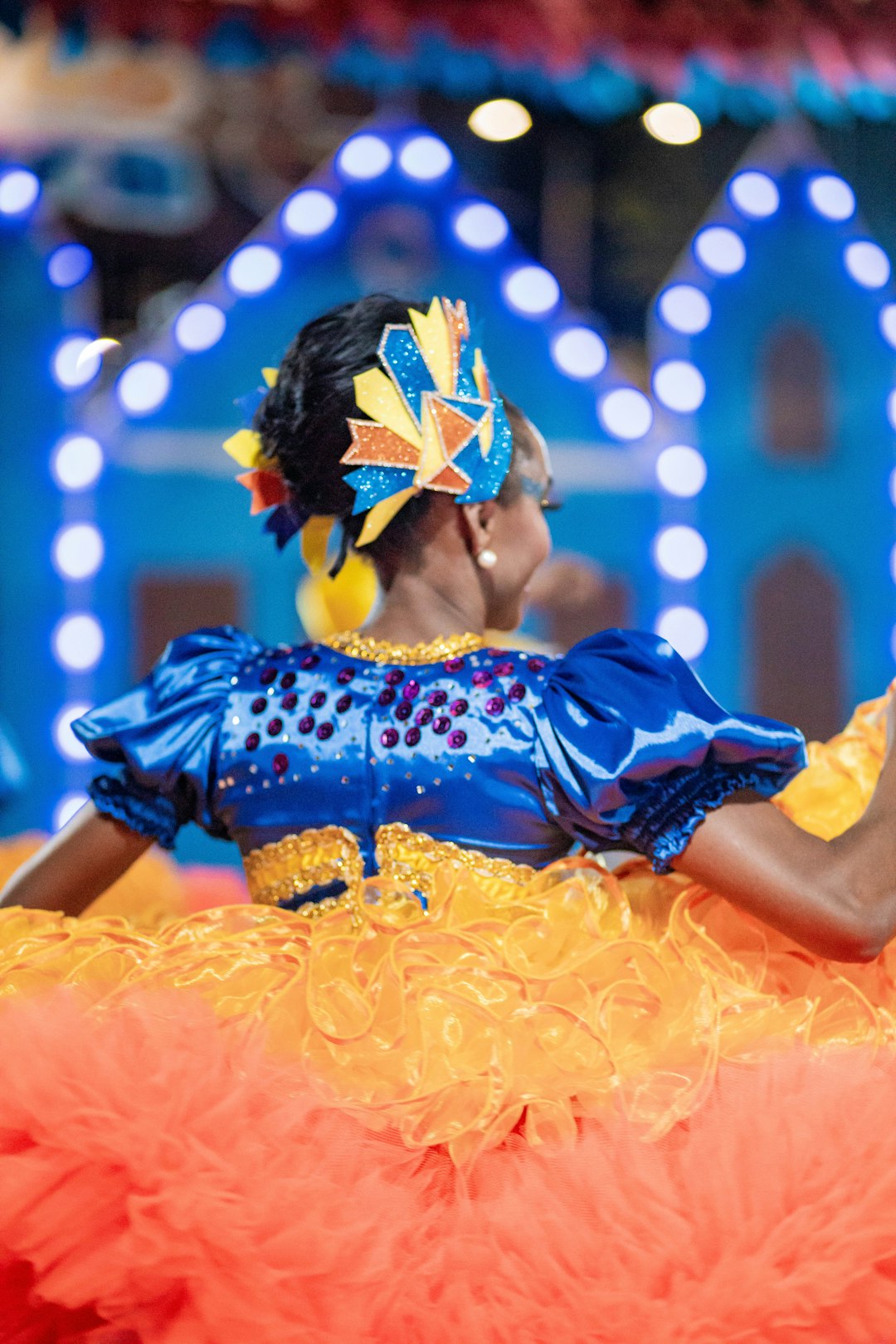
"When Lucía Campillo steps onto the stage at Madrid's Corral de la Morería, her bata de cola—a five-meter train of ruffled silk—becomes a partner in the dance, not merely a costume. 'The dress teaches you how to move,' says the bailaora, who has performed professionally for fifteen years."
Flamenco costume carries centuries of history in every ruffle and seam. What began as 19th-century Andalusian working-class dress has evolved into a sophisticated performance tradition where fabric, movement, and duende—that elusive spirit of emotional authenticity—intertwine. Whether you're stepping into your first class or preparing for a professional tablao engagement, understanding the cultural weight and technical demands of flamenco dancewear will transform how you move.
The Soul of Flamenco Dress: A Brief Cultural History
Before selecting fabric or fit, grasp why these garments matter. The traje de flamenca emerged from the ferias (festivals) of Seville, where Roma (gitano) women adapted modest work dresses into celebrations of identity and resilience. The ruffles (volantes) that now seem purely decorative originally allowed freedom of movement for laborers; today, they amplify every arm gesture and turn.
Color carries symbolic weight. Red channels passion and duende—the raw emotional force that defines great flamenco. Black conveys seriousness and technical mastery, often reserved for formal concerts. White dominates romería (pilgrimage) celebrations, while deep purple and emerald signal feria festivity. Understanding this palette helps you dress with intention, not mere aesthetics.
Regional variations persist: Seville-style costumes favor polka dots (lunares) and fitted silhouettes, while tablao performers in Madrid often embrace sleeker, contemporary lines. Knowing your performance context shapes every choice.
Building Your First Outfit: Dressing for Your Level
For Beginners and Students
Resist the urge to invest in professional-grade costume before mastering fundamentals. A solid beginner's wardrobe includes:
- Practice skirt: Knee-length or midi circle skirt in breathable cotton or lightweight synthetic blend. Look for 1-2 ruffle tiers to learn volante handling without overwhelming volume.
- Fitted top: Stretchy camisole or leotard allowing arm mobility; avoid loose fabric that obscures shoulder line.
- Character shoes or low-heeled flamenco shoes: Begin with 3-4cm heels to build ankle strength and balance.
Budget expectation: $150-300 for complete practice wardrobe.
For Intermediate and Advanced Dancers
As choreography incorporates bata de cola (long-trained skirt) or mantón de Manila (silk shawl), invest in:
- Professional-grade traje de flamenca: Custom or semi-custom fitted bodice with structured interior boning
- Multiple skirt lengths: Short rociera style for fast footwork pieces; full bata de cola for dramatic soleá or guajira
- Authentic accessories: Proper peineta (ornamental comb) sizing for your face shape; handmade flores (paper flowers)
Budget expectation: $800-2,500+ for performance-quality complete outfit.
Women's Flamenco Dress: Elements and Selection
The Traje de Flamenca
The iconic silhouette combines:
| Element | Technical Details | Selection Tips |
|---|---|---|
| Bodice | Fitted through ribcage, often with interior boning or heavy interfacing | Ensure 2-3cm ease at waist for breathing and abdominal engagement; closure should be secure through vigorous vuelta (turns) |
| Skirt | Multiple volantes (ruffles) graduated from hip to hem | More ruffles = more visual impact but heavier weight; beginners start with 3-4 tiers |
| Sleeves | Fitted upper arm with flared volante cuff | Length should clear wrists when arms extended to avoid catching on skirt |
Fabric guidance: Traditional cotton popelín breathes beautifully but wrinkles; modern polyester blends with moisture-wicking properties suit long rehearsals. For performance, silk or high-quality synthetic crepe creates luminous movement.
The Bata de Cola
This dramatic five-to-seven-meter train transforms the dancer into a moving sculpture. Mastering it requires:
- Proper weight distribution: Heavier fabric at train's edge maintains shape; too light and it tangles, too heavy and it exhausts
- Handling technique: The bata is lifted,