Flamenco wardrobe is inseparable from flamenco technique—the bata de cola's train becomes an instrument, the claves on your shoes compose the rhythm, and the mantón de Manila extends your arms into wings. Whether you're stepping into your first class or preparing for a tablao performance, understanding these elements transforms costume into co-performer.
1. Practice Wear vs. Performance Attire
The first decision every dancer faces is context: what works in the studio rarely suits the stage.
For Class
Beginners should invest in a fitted top or leotard paired with a falda de ensayo—a practice skirt with moderate volume, typically circular or gored construction with 6-8 panels. These skirts allow movement without the weight of performance ruffles. Pair with zapatos de ensayo (practice shoes), which feature lower heels (3-4cm) and softer soles to build technique without joint strain.
For Performance
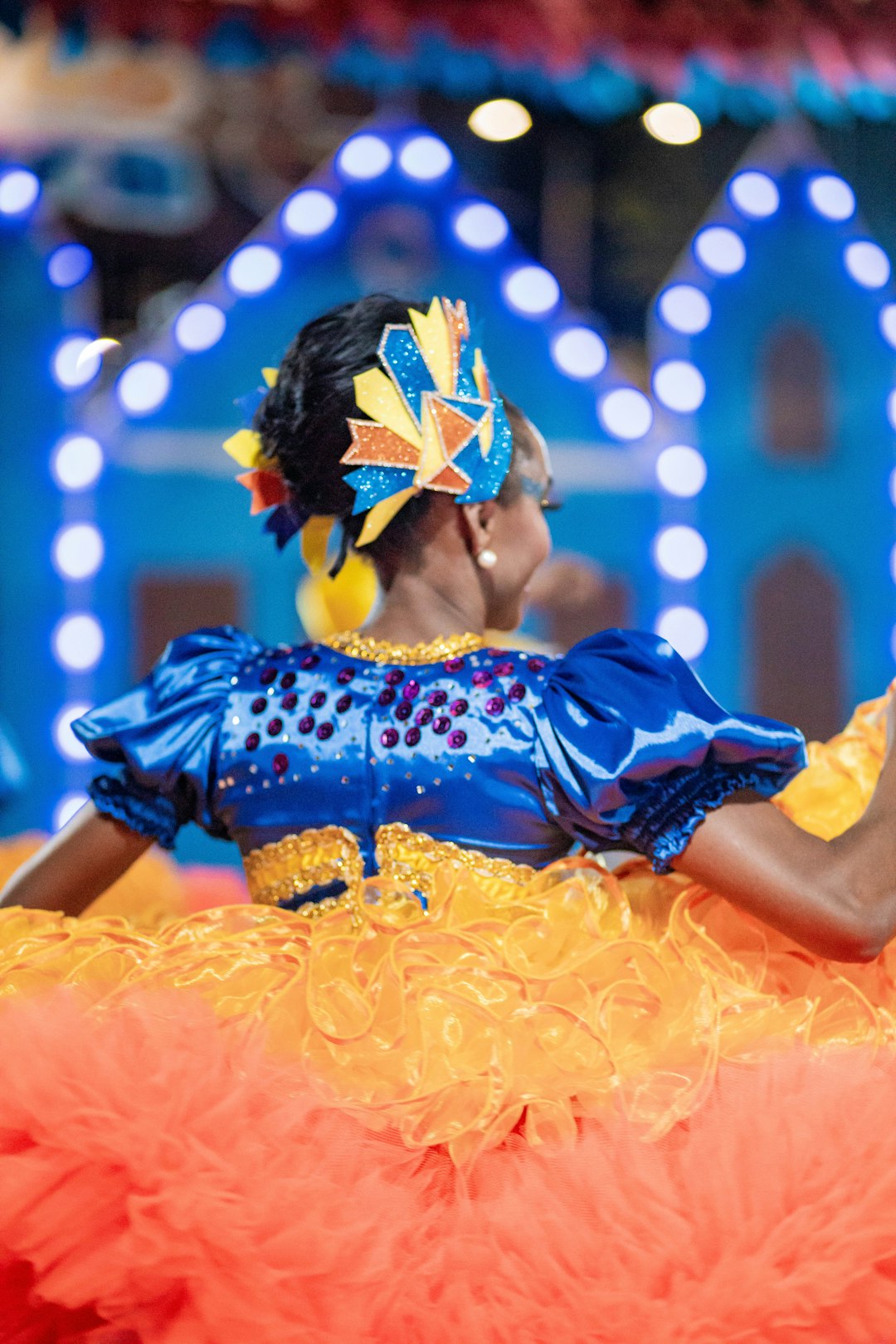
The traje de flamenca reigns as the traditional performance dress: a fitted bodice with off-shoulder or boat-neck silhouette, descending into a skirt exploding with volantes (ruffles). Professional dancers performing escuela bolera or classical repertoire require the bata de cola—a trained dress with 3-6 meters of fabric extending from the waist. Managing this train demands specific technique; the dress becomes a partner in the choreography, whipped and controlled through precise body positioning.
2. Footwear: The Foundation of Sound
Professional zapatos de flamenco feature claves (nails) hand-hammered into the toe, ball, and heel—typically 3-4 nails per striking point. These aren't generic taps but precisely placed percussion instruments.
Beginners should start with claves de profesor (softer nails) or even nail-less practice shoes to develop clean technique before adding rhythmic complexity. Heel heights progress from 4cm (beginner) through 5-6cm (intermediate) to 7cm+ (professional). Leather uppers should be rigid enough to support the ankle during rapid llamadas and vueltas, yet molded to your arch through careful breaking-in. Expect to pay €80-150 for quality student shoes, €200+ for professional handmade pairs from Spanish makers like Gallardo or Begoña Cervera.
3. Undergarments: The Hidden Architecture
The iconic flamenco silhouette depends entirely on foundation garments. Enaguas—structured petticoats with cancán (ruffled hoops)—extend the skirt's volume and create the characteristic sway. Multiple layers (typically 2-3) build graduated fullness without bulk at the waist.
For bata de cola, dancers wear additional cinturones (wide waistbands) to anchor the train's considerable weight and prevent spinal strain. The train itself requires an ensayo (practice session) dedicated solely to managing its flow—how to gather, release, and spiral the fabric through bulerías or alegrías.
4. Accessories: Cultural Signifiers
The Mantón de Manila
This embroidered silk shawl—fringed, substantial, historically imported from China via Manila—demands respect. Dancers train specifically in manton technique: how to open, close, swirl, and snap the fabric as extension of gesture. The smaller mantoncillo serves for less formal performances or as accent piece.
Hair Adornment
The peineta (tall, curved comb, traditionally tortoiseshell-patterned celluloid) sits high on the crown, creating the characteristic silhouette. Placement matters: too low reads as costume, correctly positioned it elongates the neck and frames the face. Fresh or silk flores (roses or gardenias) anchor the moño (bun), positioned according to regional style—Seville favoring placement above the peineta, Córdoba to the side.
5. Fit, Fabric, and Function
Flamenco demands paradox: constriction and explosion. The bodice must be fitted enough to stay secure through rapid turns, yet never restrict the técnica de torso so central to the form. Skirts require precisely calculated volume—too little fabric and the movement appears meager, too much and the dancer drowns.
Fabrics must breathe through heated performances: cotton poplin for practice, polished cotton or lightweight silk for performance. Synthetic ruffles may read brilliantly under lights but trap heat; many professionals choose silk volantes despite the care required.
6. Color, Style, and Intention
Traditional palette