To dance flamenco is to summon duende—that raw, almost spiritual connection between dancer, musician, and audience. Your traje (costume) isn't merely decoration; it's an extension of your compás (rhythm) and your aire (personal style). Whether you're stepping into your first sevillanas class or preparing for a tablao performance, choosing the right flamenco dance clothes requires understanding tradition as much as technique.
Practice Attire vs. Performance Costumes
Before investing in a full traje de flamenca (€300–€2,000+), most dancers begin with practice basics: a fitted leotard or camisole, flamenco skirt with at least one volante (ruffle), and character shoes with a sturdy 1.5–2 inch heel. Save the elaborate bata de cola (long-trained dress) for performances—its 3+ meter train requires specialized technique to manage.
Understanding this distinction saves money and accelerates your technical development. Practice wear prioritizes durability and freedom of movement, while performance costumes demand dramatic visual impact.
Choose the Right Fabric
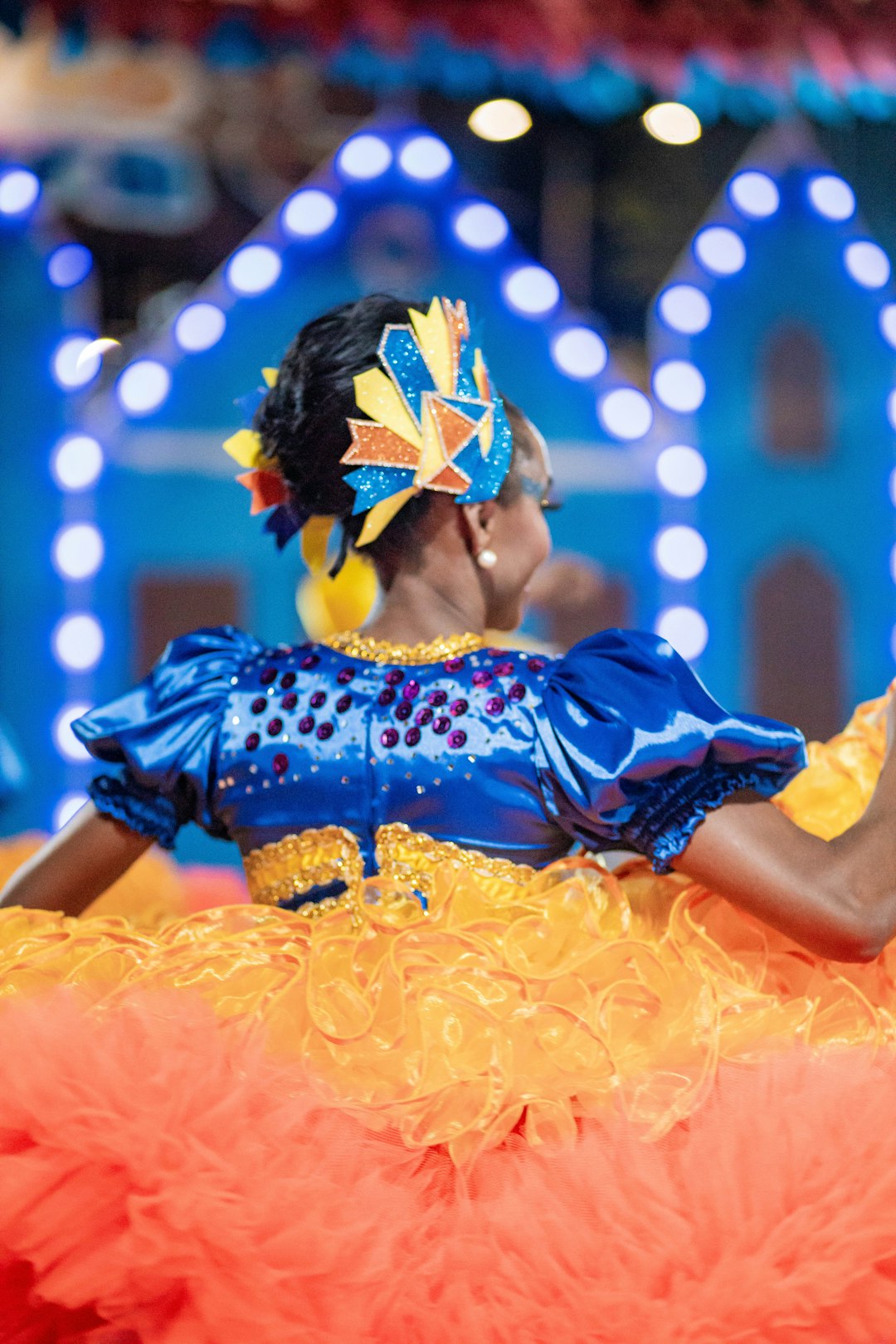
Traditional trajes de flamenca use cotton poplin, crepe, or bordado (embroidered) fabrics—materials with enough body to create the dramatic vuelo (skirt flare) without clinging. While practice skirts may use lighter synthetics, performance dresses rely on structured fabrics that:
- Maintain their shape through rapid vueltas (turns)
- Withstand the heat of stage lights and outdoor ferias
- Support heavy volantes and encajes (lace trim)
Pro tip: Hold the fabric at arm's length and release—it should fall with a crisp snap, not a limp drape.
For skirts and dresses, look for a full circle or double-circle cut with a fitted waist to accentuate your lines. The falda de volantes (ruffled skirt) should sit at your natural waist, never the hips, to create that iconic flamenco silhouette.
Consider the Color
Traditional trajes de flamenca favor black, deep red, or pristine white, though contemporary designs embrace coral, emerald, and gold. Your choice carries weight:
| Color | Traditional Meaning | Best For |
|---|---|---|
| Black (negro) | Maturity, soleá depth | Experienced dancers, serious performances |
| Red (rojo) | Passion, alegrías energy | Feria celebrations, bold personalities |
| White (blanco) | Purity, bulerías playfulness | Spring festivals, outdoor events |
| Pastels | Modern femininity | Daytime performances, younger dancers |
Choose a shade that complements your skin tone and amplifies your emotional presence. Darker colors visually streamline your figure; brights command attention during fast escobillas (footwork sections).
Accessorize with Intention
Flamenco accessories carry meaning beyond aesthetics:
- Peineta (tortoiseshell or acetate comb): Worn high on the crown to frame the face and elongate the neck. Height corresponds to formality—taller for performances, smaller for practice.
- Rosa or clavel (silk flower): Positioned behind the ear or tucked into the peineta. Red signals passion; white, purity; yellow, jealousy or joy depending on placement.
- Mantón de Manila (embroidered silk shawl): Draped over shoulders or manipulated as a prop. The fringe (fleco) must move fluidly with your arms.
- Pendientes (earrings): Heavy, dramatic, often gold-toned. They accentuate head movements but shouldn't swing wildly.
Golden rule: One statement piece dominates. A towering peineta pairs with simple earrings; an elaborate mantón demands minimal jewelry.
Choose the Right Shoes
Flamenco shoes (zapatos de flamenco) are precision instruments. Unlike generic character shoes, they're constructed specifically for percussive footwork:
| Feature | Specification | Why It Matters |
|---|---|---|
| Heel height | 5cm (beginners) / 7cm (standard) / 8cm+ (advanced) | Affects balance, speed, and tacón (heel) sound quality |
| Toe shape | Slightly rounded, reinforced | Protects feet during punta (toe) work |
| Materials | Leather upper, suede or leather sole | Creates distinct golpe |