---
The first time someone told me my shimmy looked "broken," I assumed they were joking. I'd been dancing for eight months. I knew the basic steps. I could execute a basic chest lift without feeling like I was having a seizure. But when I watched the video back, I saw exactly what they meant—my shoulders weren't moving with my hips, my core wasn't engaged, and what I thought was a smooth glide looked more like I was trying to shake something loose from my teeth.
That's the thing about reaching the intermediate level in belly dance: you've moved past complete beginner confusion, but you haven't yet developed the control and fluidity that makes the movements look effortless. You've learned the vocabulary, but you haven't learned how to speak it naturally. This is where most dancers get frustrated and quit.
Don't quit. This is where it gets good.
The isolation problem isn't what you think
You can move your hips. You can move your chest. The problem is you can't move them independently—yet. The moment you drop your hips, your chest follows. When you lift your shoulders, your entire back ripples in sympathy. Your body hasn't learned that different parts are allowed to do different things.
The fix is less sexy than you'd hope. Go back to basics—but with a twist. Try this: stand in front of your mirror and move only your ribcage while your hips stay perfectly still. Like someone locked your hips in cement. Hold there for a full minute while breathing normally. Then reverse it—hips moving, ribs still. The goal isn't to look like a dancer. It's to feel what independence actually feels like in your body.
That locked-in sensation? That's your new baseline. Build from there.
Here's what nobody explains about musicality
You know how to count theRhythms. You can probably identify a maqsum versus a baladi. But when you perform, something's still missing.
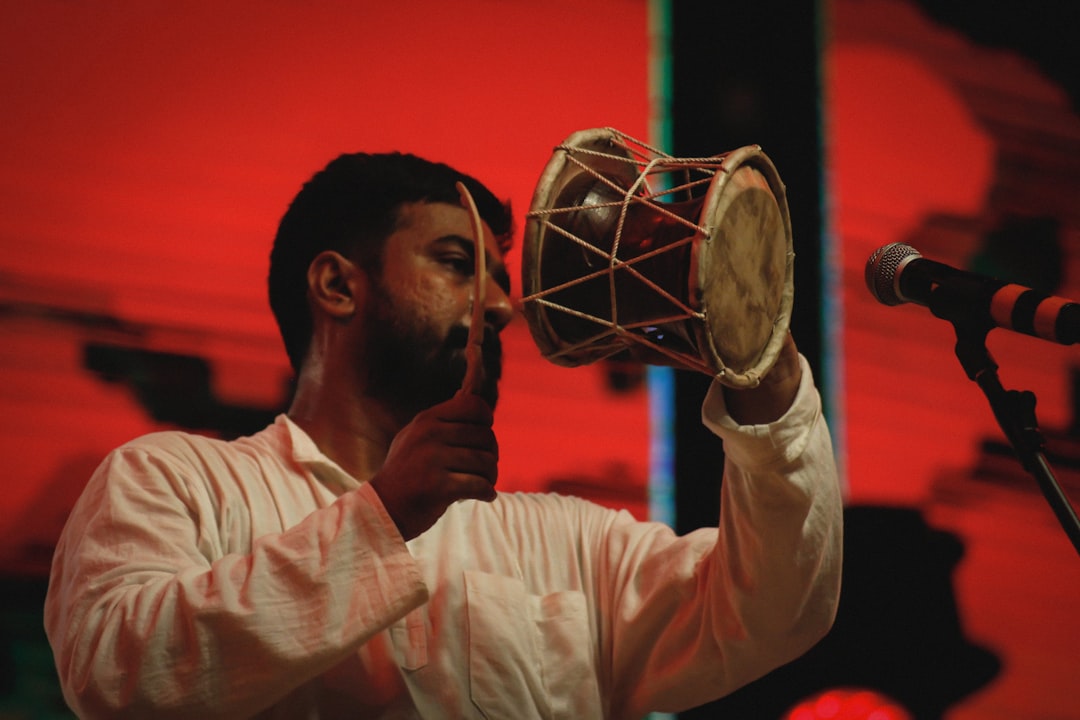
Here's the secret most tutorialsSkip: you've been listening to the melody, not the drums. The melody carries your emotional content—the smile, the reach, the dramatic pause. But the drums are telling your body exactly where to go. They hit your belly button before they hit your ears. Let your navel lead. When you feel a darbuka douk in your gut, your hips respond before your brain catches up.
One exercise that changed my own dancing: take a song you know cold and dance to something entirely different. Something with different instruments, different energy. Your memorized choreography will feel wrong in the best way—you'll have to actually listen and respond. That's when presence happens.
Your core is the engine, not optional
Chest circles, hip rotations, undulations—everything originates from your center and radiates outward. When your core is weak, other muscles compensate. Your lower back takes over. Your thighs lock. The movement looks controlled, but it feels heavy and forced.
I've skipped core work more times than I can count. Every single time, I regretted it in class. My shimmy fatigue set in faster. My back hurt the next morning. The fix couldn't be simpler: three planks a day, held as long as you can. And if you want to feel Dramatically different, add cat-cow transitions on all fours—find your spine, then articulate every single vertebra from tail to crown. Do that for five minutes before you practice. Then see what your body can actually do.
Why "finding your style" might be killing your growth
At intermediate level, you start hearing about Egyptian cabaret versus Turkish oriental versus American tribal fusion. You feel pressure to pick one and specialize. But here's what nobody mentions: these styles aren't different languages—they're dialects. You don't have to choose. You have to explore.
Instead of committing prematurely, take one month and try everything. Attend different workshops. Watch YouTube videos of dancers who look nothing like your current influences. Notice what your body instinctively moves toward versus what feels forced. Maybe your Egyptian hip work flows naturally but your Turkish arms feel awkward. That's not a verdict—it's information.
My current teacher refused to let me specialize until I'd been dancing two years. I hated it then. I'm grateful now. Understanding multiple styles gave me vocabulary I didn't know I was missing.
The meditation piece isn't what you expect
There's a difference between practicing choreography and practicing presence. I'm definitely guilty of running through steps on autopilot while mentally drafting my grocery list.
That's not practice. That's muscle memory with a side of distraction.
Before each session, take sixty seconds to stand still. Feel your feet on the floor—not floating, not gripping, just present. Then let your breath find its own rhythm. When you start moving, start slow enough that you could notice any tension you've holding. Especially your jaw. Seriously—check your jaw right now.
That slight clench? That's your body working harder than it needs to.
Here's what matters most
I'm three years into Serious Belly Dance now, and the biggest lesson has been this: plateaus are not a sign you're failing—they're the space where your body consolidates what it's learned. Some weeks everything clicks and I feel like an entirely different dancer. Some weeks I wonder why I bother.
Both states are temporary. Both are part of the process.
Find your people. Not just any class—find the instructor who corrects you when you're wrong, the classmates who show up when you're ready to quit, the community that makes you want to keep showing up. That's worth more than any tutorial or technique breakdown.
The intermediate stage doesn't last forever. Enjoy it while you're here—everything gets harder before it gets easier, but it absolutely does get easier. Keep dancing.