---
The first time I tried belly dance, I felt like a stranger walking into a private party where everyone already knew the password.
I'd signed up on a whim—a Tuesday evening class at a studio tucked between a laundromat and a Thai restaurant. I remember scanning the room: mirrors on three walls, a handful of women already warming up, their hips rolling in ways that looked effortless. Beautiful. But also like something that had nothing to do with me.
I didn't know the password yet. So I spent the first twenty minutes just watching.
What Belly Dance Actually Is
Here's the thing nobody tells you upfront: belly dance isn't about the legs. It isn't about footwork or arm extensions or remembering which way to turn. It's about your core. Your torso. The part of your body that connects everything else.
In Arabic, the style is called Raqs Sharqi, which means "oriental dance." But a more honest description might be: it's a conversation between your ribcage, your pelvis, and whatever music happens to be playing.
The magic is in the isolations. Learning to move one part of your body while keeping everything else still. It sounds simple. It absolutely is not. But it's also where the whole thing opens up.
The Three Isolations Worth Fighting For
You could spend months on these three movements alone. Most people do. That's not a flaw in the approach—that's just how it works.
Hip drops — Picture this: you're standing with your weight in your right leg. Now drop your left hip down toward your knee while keeping everything else square. Feels weird, right? Like your body is arguing with itself. That's exactly what it's supposed to feel like. The goal is releasing the tension you've been holding in your hips for years—maybe forever.
Ribcage isolation — Slide your ribcage left without twisting your waist. Then slide it right. Up. Down. Each direction is a separate skill. When you can move your ribs independently from your hips, something shifts. Literally. The dance starts to feel less like choreography and more like breath.
Pelvic tilts — Tilt your pelvis forward until your lower back arches slightly. Then tuck it under. This one took me the longest to feel. I kept thinking I was doing it when I wasn't. My teacher finally put her hand on my hip bones and walked me through it like I was five years old. Sometimes that's what it takes.
Putting It Together (Without Losing Your Mind)
Once these start feeling less foreign, try this sequence:
Stand in the center of the room. Drop your right hip. Lift your ribs to the left. Tilt your pelvis forward. Then shake—fast, small movements in your thighs until your knees barely move and your hips vibrate like you're standing next to a speaker.
It won't be pretty at first. It won't be smooth. You'll probably feel ridiculous.
Do it anyway. The ugliest shimmy in the room is still a shimmy.
The Music Is Not Optional
Here's what I didn't expect: the music changes everything.
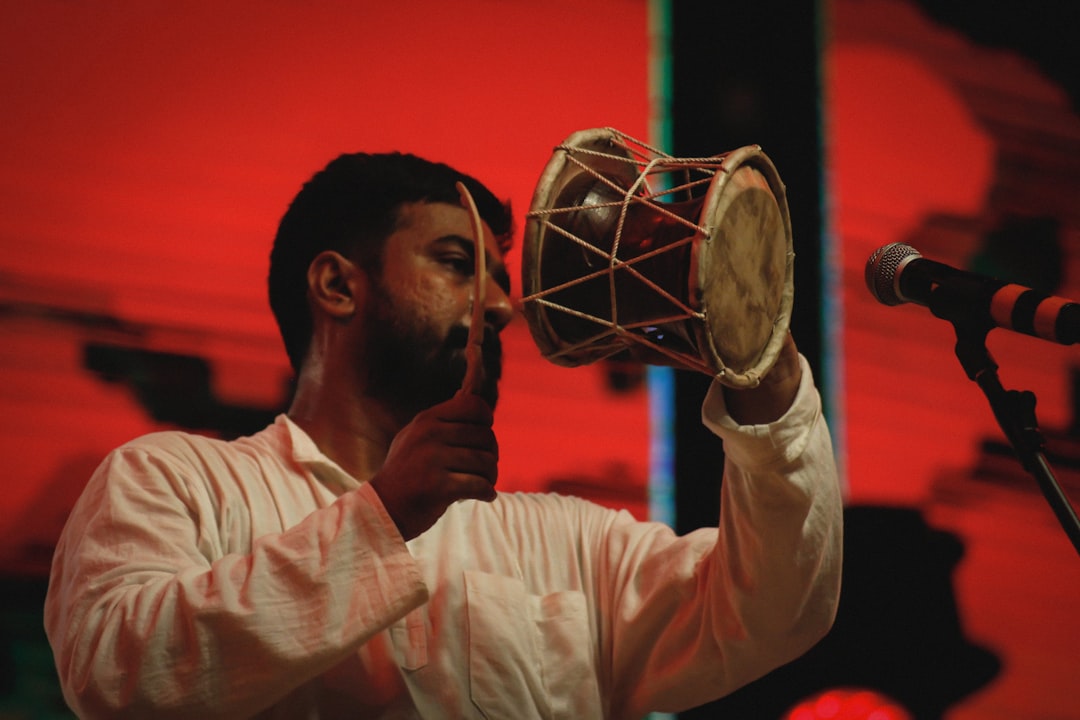
The first few months, I practiced with whatever played on shuffle. But once I started listening specifically to Middle Eastern rhythms—dabke, maqam, the way a tabla hits—I started anticipating beats. My body began answering the music instead of just following instructions.
Find songs with strong downbeats. Let yourself bounce into them. Let the rhythm pull your isolations instead of pushing them.
The Real Secret
There's no destination. I know everyone says that, but I mean it practically: I've been at this for three years, and I still discover new nuances in movements I thought I'd mastered.
The shimmy that felt impossible in that first class? It now shows up when I'm brushing my teeth. My body just does it sometimes, unprompted. That's when I know something has actually shifted—not when I can perform it, but when it becomes part of how I move.
Show up. Keep showing up. Your hips will catch up.