Flamenco emerged in 18th-century Andalusia, forged from the cultural fusion of Romani, Moorish, and Spanish traditions. Today, this UNESCO-recognized art form captivates audiences worldwide—and what dancers wear is integral to its storytelling power. Whether you're stepping into your first class or preparing for the stage, understanding flamenco attire helps you move with authenticity and confidence.
This guide covers everything you need to know about choosing flamenco dance clothes, from foundational investments to the finishing touches that complete your look.
The Foundation: Flamenco Shoes
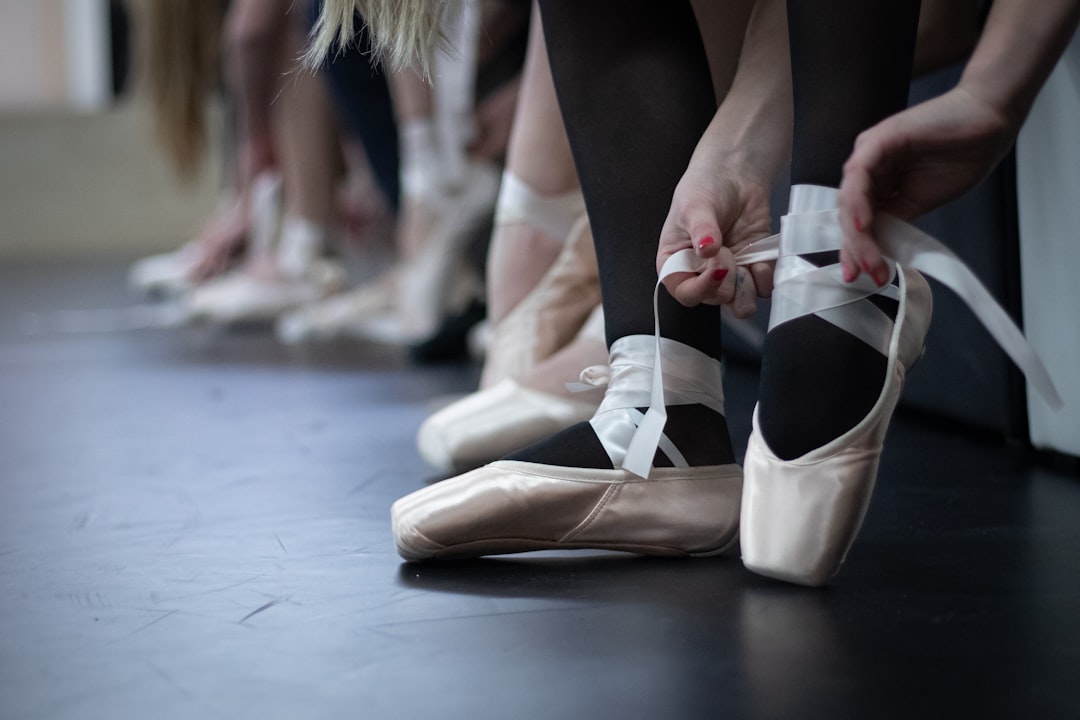
Before considering fabrics or silhouettes, invest in proper footwear. Flamenco shoes feature reinforced toes, sturdy heels (5-7cm for beginners), and nails or taps on the sole and heel to amplify percussive footwork. Leather shoes mold to your feet over time; synthetic options offer affordability for beginners. Never dance in street shoes—flamenco technique requires specific support and sound production.
Choosing the Right Fabrics
Fabric selection directly impacts your comfort, movement quality, and appearance under stage lights. Here's what to look for:
Velvet Choose silk or cotton velvet with 10-15% stretch for performance; avoid polyester velvet, which doesn't breathe and can overheat under stage lights. Dry clean only.
Cotton Look for medium-weight cotton (4-6 oz) for practice skirts—light enough to flow, heavy enough to create the characteristic "bell" shape when you turn. Machine washable and durable for frequent classes.
Chiffon Layer multiple panels for opacity; synthetic chiffon is more durable and colorfast than silk for frequent use. Ideal for sleeves and ruffles that need to float and catch air.
Lycra blends Modern practice wear often incorporates 15-20% spandex for unrestricted movement during fast footwork and deep lunges.
Silhouettes That Serve the Dance
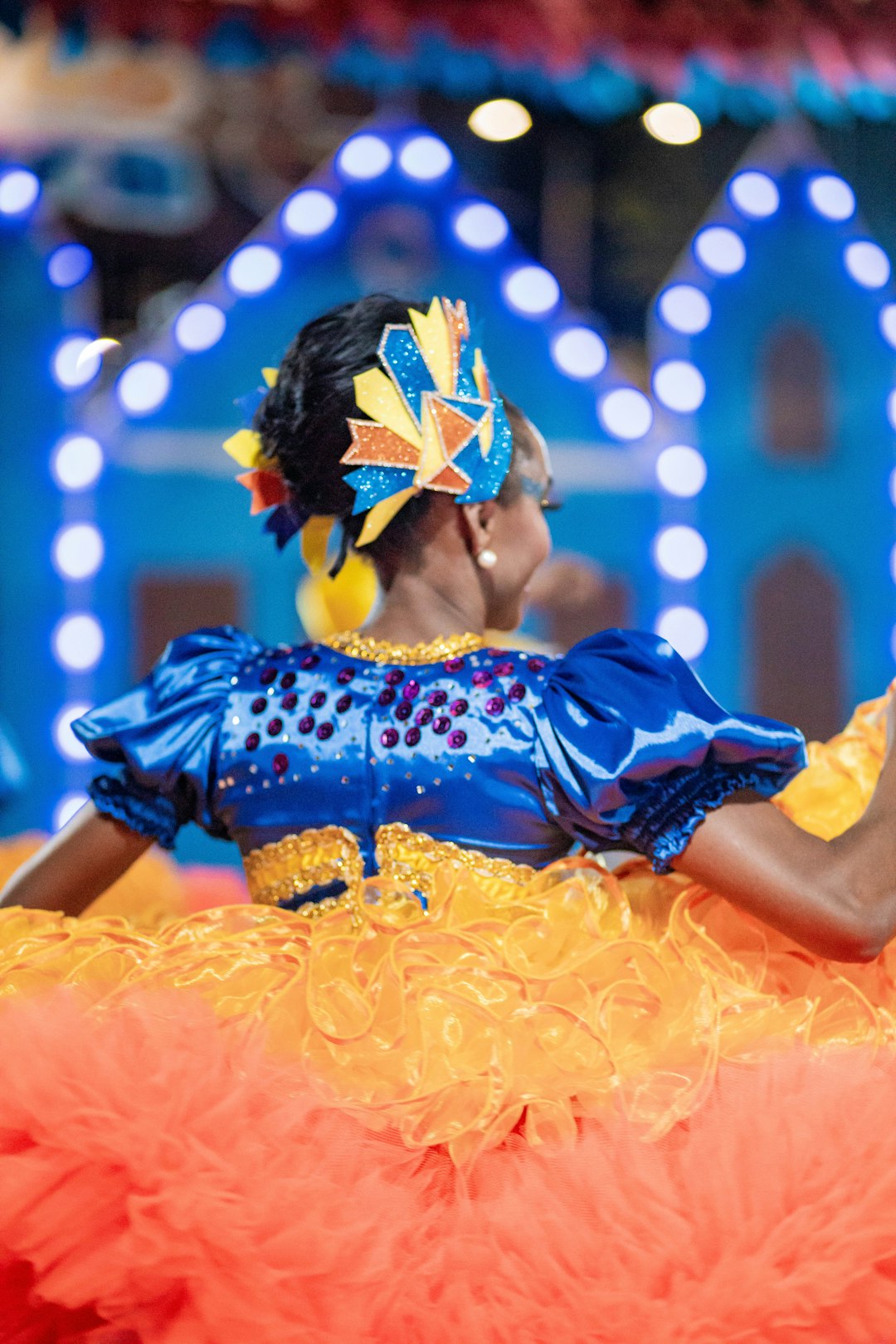
Flamenco costumes must accommodate dramatic arm movements, rapid turns, and powerful footwork while maintaining visual impact.
For practice:
- Fitted tops or leotards that stay in place during turns
- Circle skirts with at least 3 meters of hem circumference to create volume
- Leggings or fitted pants that allow instructors to see leg alignment
For performance:
- The bata de cola: This iconic long-trained dress features a fitted bodice, flared skirt, and trailing "tail" (cola) that dancers manipulate as part of the choreography. Beginners should start with a manageable 1-meter train; professional costumes may extend 2-3 meters.
- High necklines and long sleeves that elongate the line of the arms
- Defined waistlines created through tailoring or wide sashes (fajines)
Accessories That Complete the Look
Peineta and flor The traditional tall comb (peineta) paired with fresh or silk flowers (roses, gardenias, or jasmine) frames the face and adds height. Position the peineta at the crown of the head with flowers cascading toward the temple.
Mantón de Manila These embroidered silk shawls add color, texture, and dramatic prop possibilities. A full-sized mantón measures approximately 140cm square. Practice with lighter, smaller shawls before investing in antique or hand-embroidered pieces.
Boleros and chaquetas Short, fitted jackets in velvet or brocade provide warmth between performances and visual polish. Look for cropped lengths that don't obscure waist definition.
Jewelry Gold-toned earrings (often large and statement-making), bracelets that accentuate arm movements, and decorative hair combs complete the traditional aesthetic.
Practice Wear vs. Performance Costumes
| Feature | Practice Wear | Performance Costumes |
|---|---|---|
| Budget | $50-150 total | $300-2,000+ for professional pieces |
| Durability | Machine washable, reinforced seams | Dry clean only, delicate embellishments |
| Fit | Comfortable, allows growth | Precisely tailored, may restrict breathing |
| Key pieces | Circle skirts, fitted tops, character shoes | Bata de cola, custom bodices, professional shoes |
Beginners should prioritize practice wear and shoes. Performance costumes become relevant once you're preparing for student showcases or professional engagements.
Caring for Your Investment
- Velvet and silk: Store hanging in breathable garment bags; never fold crushed velvet
- Bata de cola trains: Hang upside down by the hem to prevent creasing; practice rolling techniques for transport
- Shoes: Air dry after each use; replace worn heel caps and loose nails promptly to protect floors and maintain sound quality
- Embroidered shawls: Spot clean only; avoid perfume, which can stain silk
Finding Your Authentic Expression
The most effective flamenco attire supports your technique while