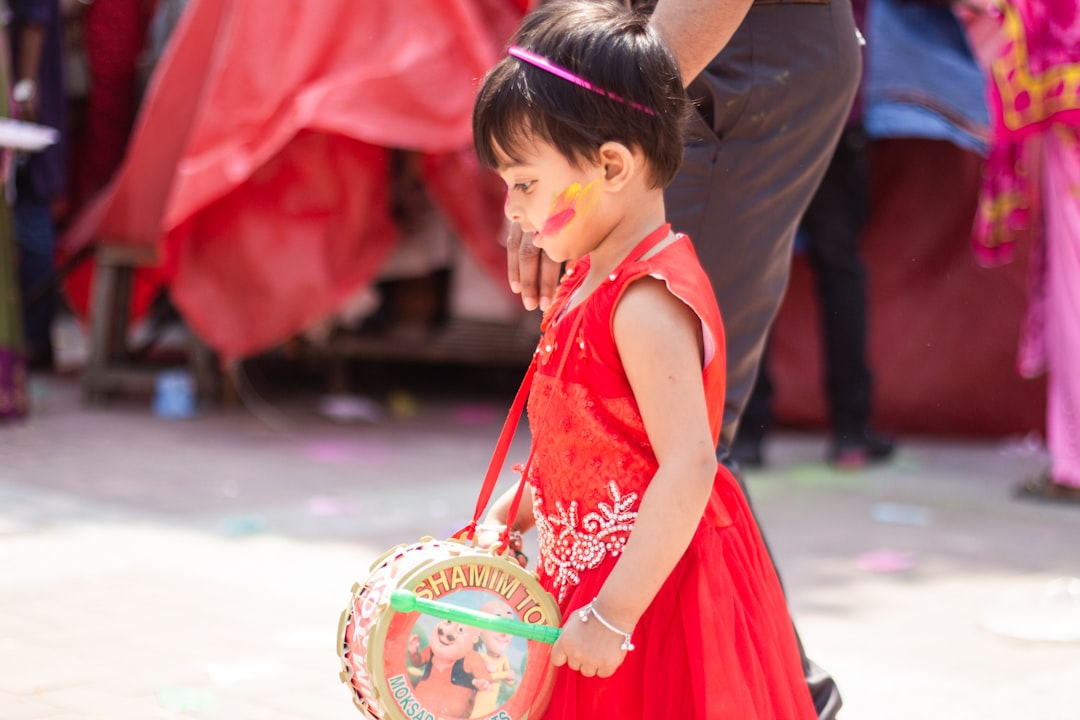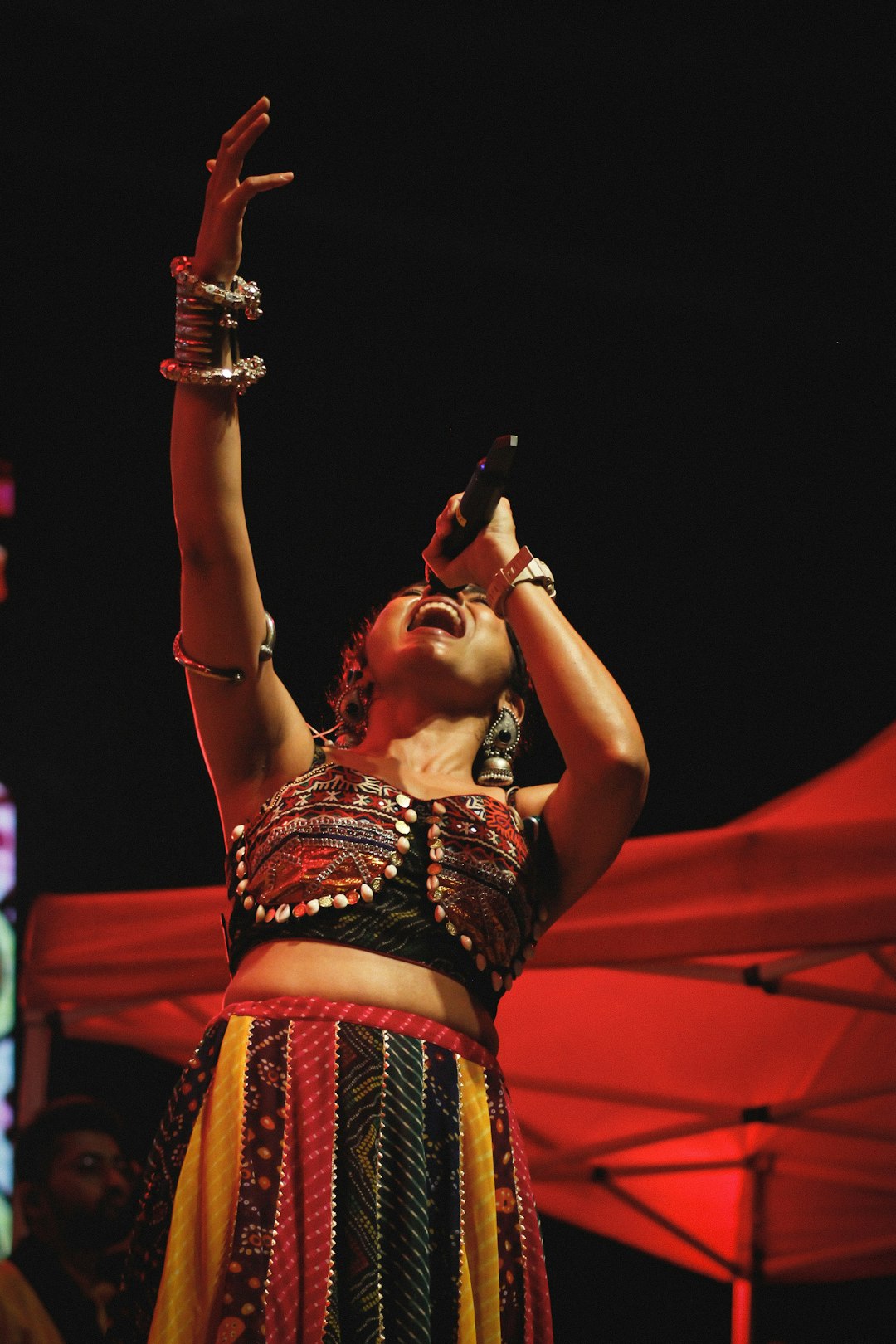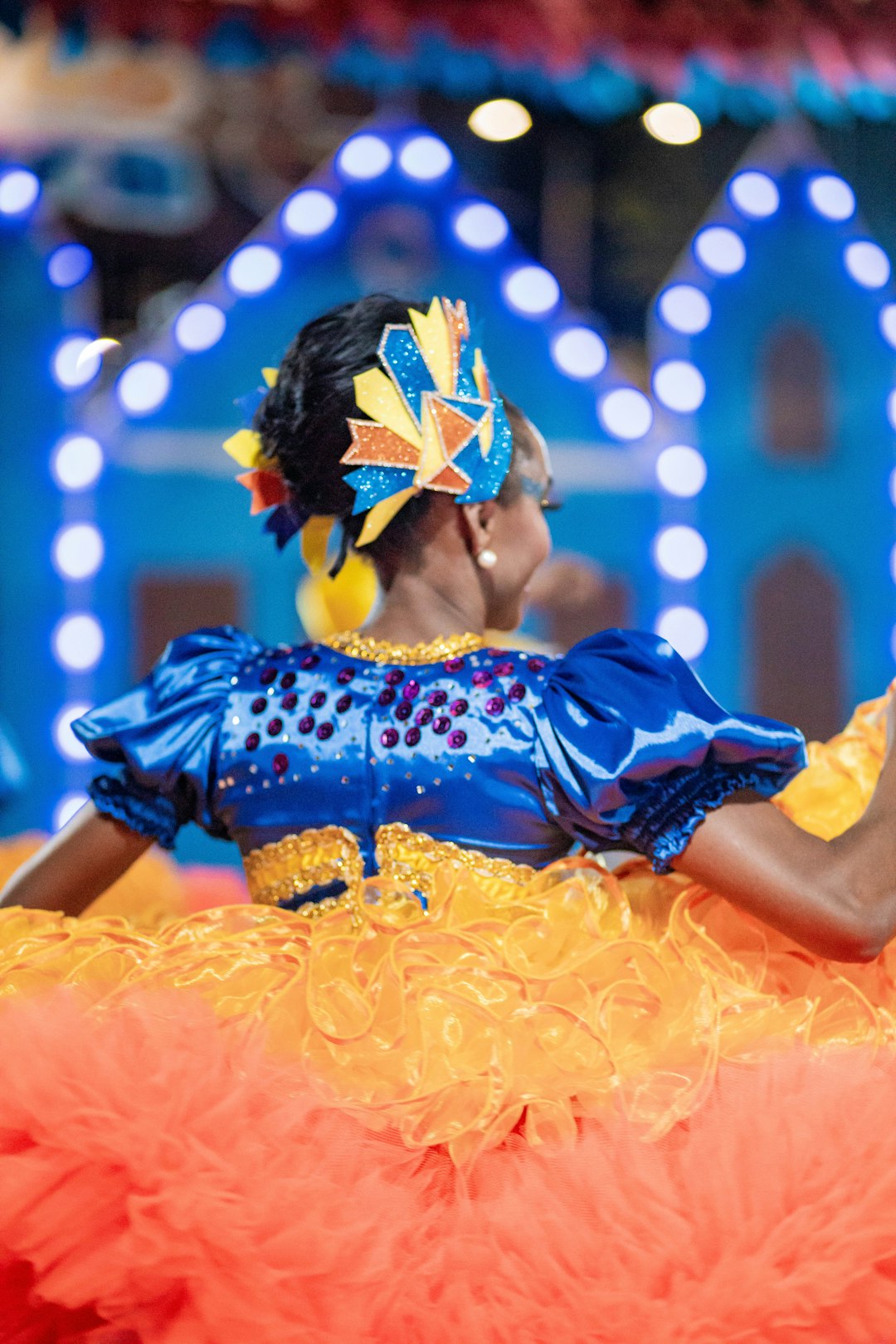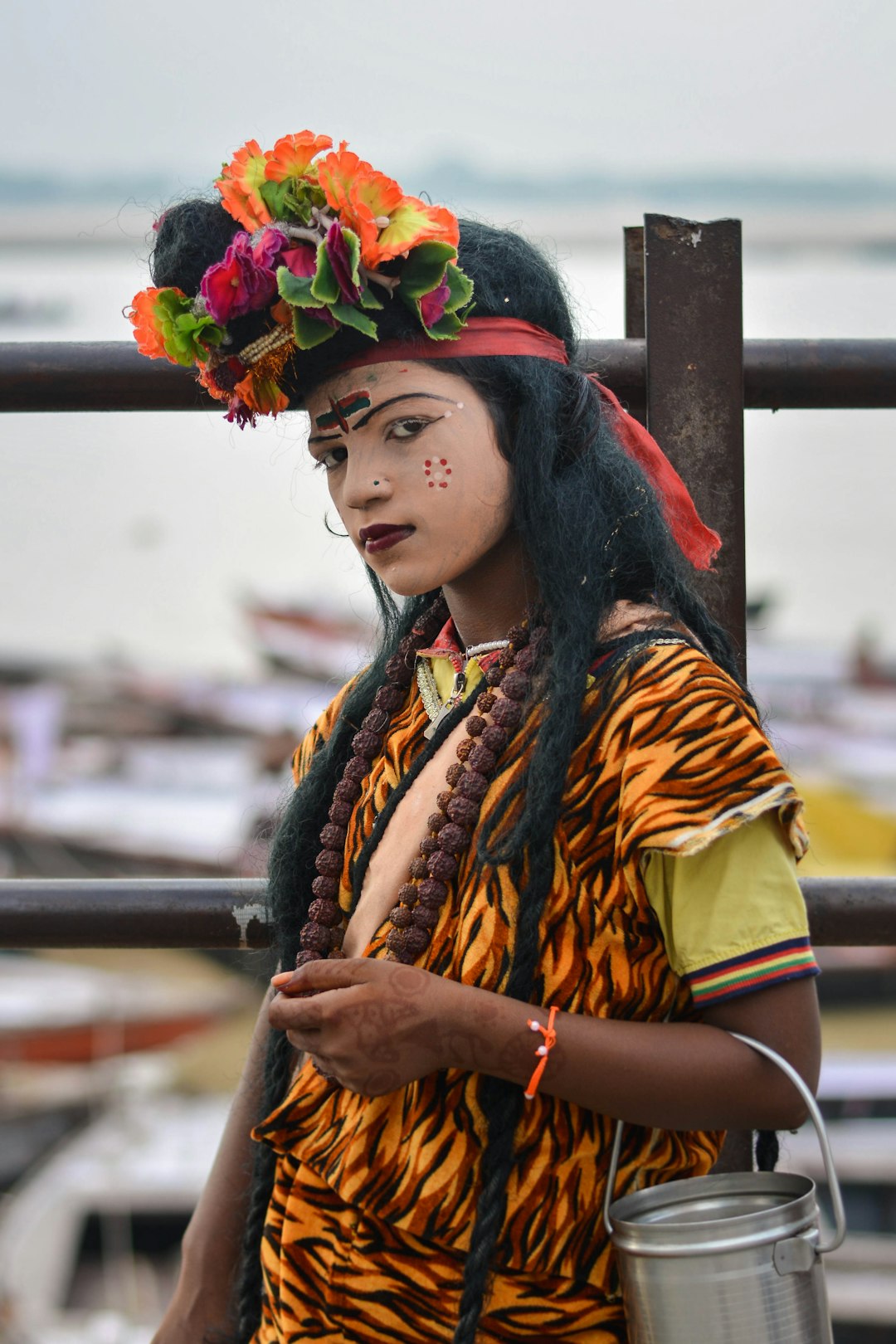
María del Mar Moreno once said that putting on her traje de flamenca felt like "becoming the architecture of the music itself." This transformation—from dancer to living expression of duende—begins with understanding what you're wearing and why.
Flamenco fashion operates on a spectrum. At one end: the practical, durable wardrobe that survives hours of marcaje drills and sweaty escobillas. At the other: the ceremonial traje de flamenca, a garment so specific to the form that it has its own fashion week in Seville. This guide navigates both territories with the precision your dancing demands.
Understanding the Tradition: A Brief Primer
Before shopping, know what you're inheriting. The traje de flamenca emerged from 19th-century Andalusian working-class dress—vivid fabrics, ruffled sleeves, fitted bodices—that bailaoras elevated into performance art. Two traditions now coexist:
- Seville style: Polka dots (lunares), fitted silhouette, ruffled skirt (volantes)
- Traditional style: Solid colors, simpler lines, longer trains for formal bata de cola work
Regional variations persist. Córdoba favors geometric embroidery; Jerez prefers deep, unpatterned color saturation. Your attire signals your artistic lineage.
The Practice Wardrobe: What Actually Survives Class
Studio wear must endure. Start here before investing in performance pieces.
The Practice Skirt
Forget "flowy." What you need is controlled volume.
- Construction: 3–4 meters of medium-weight fabric in a circular or gored cut
- Fabrics: Silk faille, crepe, quality cotton, or synthetic blends with body
- Length: Street-length (midi to ankle) for safety; save the bata de cola for advanced training
- The caderín: A fitted hip yoke that anchors skirt volume while freeing leg movement
Test before buying: turn rapidly. The fabric should spiral outward in a sustained circle, then settle immediately when you stop. Excessive flutter indicates too-light fabric; sluggish collapse means insufficient yardage or poor construction.
The Practice Top
Flamenco arm work (brazeo) destroys ill-fitting garments. Your top must stay absolutely fixed through vertical extension and rapid rotation.
- Fit: Snug through torso with no riding up; many dancers prefer leotard-style bases
- Necklines: Boat neck, square neck, or high V—nothing that shifts during vuelta turns
- Sleeves: Three-quarter length with slight ruffle, or sleeveless for overheated studios
- Fabrics: Breathable cotton-Lycra blends, silk jersey, or dance-specific technical fabrics
Avoid generic "tank tops" or street crop tops. They lack the structural engineering—internal grippers, strategic seaming—that flamenco movement requires.
Foundation Garments
Never discussed, always necessary. The falda de enagua (petticoat) provides skirt structure and modesty during high leg extensions. Dancers typically wear two: a fitted slip beneath and a voluminous, ruffled version above. For the top, a well-fitted dance bra or leotard base prevents wardrobe malfunctions during llamadas (calling phrases) with raised arms.
The Performance Traje de Flamenca: Component by Component
The Falda and Bata de Cola
For formal performance, you face a choice: standard ruffled skirt or the legendary bata de cola (dress with train).
| Feature | Ruffled Skirt (Falda de Volantes) | Bata de Cola |
|---|---|---|
| Length | Ankle to floor | 1–3 meter train attached at waist or shoulders |
| Movement vocabulary | All palos (rhythmic forms) | Requires specialized technique; limited to soleá, siguiriya, caña |
| Fabric requirement | 4–6 meters | 8–15 meters |
| Skill level | Intermediate+ | Advanced |
The bata de cola is not a costume—it's a technique. Managing the train through zapateado (footwork), turns, and floor work requires months of dedicated study. Never perform in one without bata-specific coaching.
The Bodice (Corpiño)
Traditional trajes feature integrated bodices with structured boning, but separates offer versatility.
- Construction: Boning at sides and center front; back lacing or zipper with hook-and-eye closure
- Coverage: Shoulders covered (