---
It all started with an empty room
I still remember the embarrassment. Twelve people showed up to my first folk dance social, and by the second song, half of them had mysteriously wandered off to get "air." The playlist I'd spent hours curating — what I thought was a masterpiece of cultural authenticity — was actually a one-way ticket to an empty dance floor.
That's when I realized: knowing about folk music and knowing how to make people want to dance are two very different things.
What the textbooks don't tell you
Everyone talks about "preserving tradition" and understanding the "cultural significance" of folk dance music. That's all fine and good. But here's what actually matters when you're standing in a community hall at 8 PM on a Saturday, watching people check their phones instead of dancing: does the music make people want to move?
The answer isn't just in the records — it's in how you sequence them.
After that disaster, I spent months crashing folk dance events, chatting up musicians, and literally taking notes on napkins. What I learned completely changed how I build a playlist.
The warm-up problem nobody talks about
The biggest mistake I made? Starting too fast. I thought folk dance should be energetic right from the beginning — give 'em the energy! But that's like asking someone to sprint before they've stretched.
The best folk dance playlists I've heard all follow the same invisible arc. You open with something familiar and gentle. Maybe it's a waltz people know, or a two-step with a clear rhythm. Nothing complicated. You're not showing off; you're welcoming. The goal is to get one person moving, then another, until the whole room feels normal about dancing.
By the middle of the night, that's when you bring out the stuff that makes people push the coffee table against the wall.
The instrument question
Here's the thing about traditional instruments: authenticity matters, but so does listenability. A bagpipe recording that's eight minutes long with seventeen seconds of actual melody and the rest being drone? That's a conversation-starter at a concert. At a dance social, it's a bathroom break.
Find recordings where the instruments drive the dance. The Chieftains know this — their tracks have momentum. Goran Bregović's stuff is almost absurdly effective at getting people to dance because those brass sections don't let you stand still. When you're choosing recordings, ask yourself: if I were sober, would I tap my foot to this?
The modern twist nobody warned me about
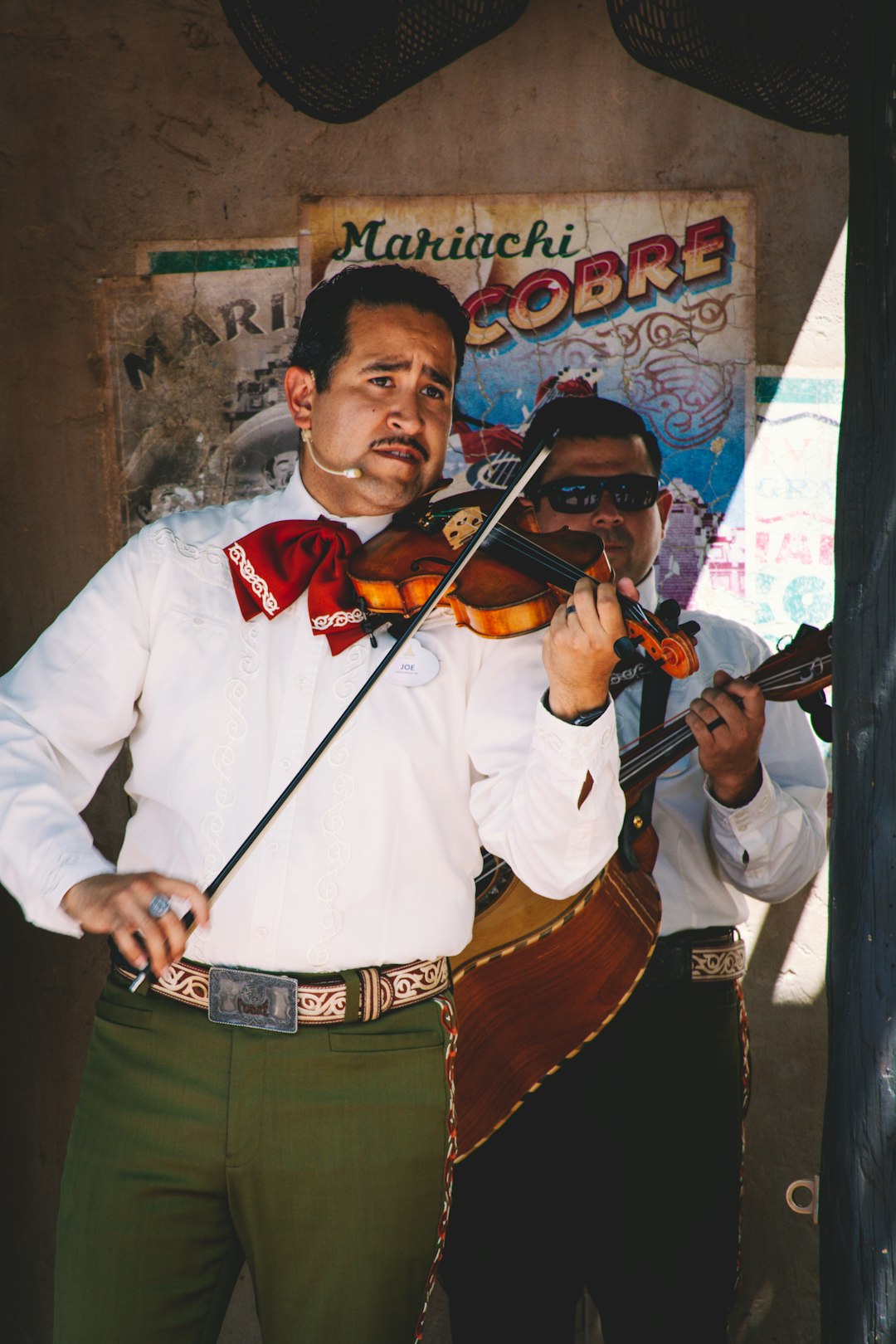
I used to be a purist. Then I played a modernized klezmer track at a party and watched a sixty-year-old dancer actually laugh out loud with joy. Sometimes a contemporary artist reinterpretating a traditional piece isn't watering it down — it's translating it for a new audience.
The trick is knowing when to use which. Opening with something traditional establishes credibility. Throwing in a modern cover mid-set keeps things from feeling like a museum. Closing with something everyone recognizes — even if it's a cover — creates that "let's do one more" energy that turns a two-hour event into a three-hour one.
The actual tracks
These are the songs that have never failed me:
- "Kalush Orchestra - Stefania" — modern Ukrainian folk that sounds like the future
- "The Chieftains - The Irish RM" — the definition of a perfect ceilidh track
- "Goran Bregović - Kalashnikov" — if this doesn't get you moving, check your pulse
- "Natalia Lafourcade - Un Canto por México" — beautiful, rhythmic, impossible not to smile at
- "Shooglenifty - Solar Sheuch" — Scottish folk that's basically a party invitation
The real secret
After all these years of building playlists and watching dance floors fill and empty, here's what I actually believe: the perfect folk dance playlist isn't about being correct. It's about being generous.
You're not proving how much you know. You're inviting people into something. Every song is a choice about who you're welcoming and how. A great playlist makes people feel like they belong in the room, not like they're being tested.
So before your next folk dance session, ask yourself one question: if my grandmother walked in, would she stay or would she make an excuse about needing to let the dog out?
If the answer is the second one, you haven't finished yet.
Now if you'll excuse me, I need to go pull that coffee table back out of storage.