The Moment a Drum Hit Changed Everything
I was at a cultural festival in Dakar a few years back when a single djembe strike cut through the noise of the crowd. Within seconds, a circle of dancers materialized — feet stomping, arms slicing the air, bodies bending in ways that made my own feel stiff as cardboard. Nobody gave a signal. The drum spoke, and their bodies answered.
That moment rewired how I think about folk dance. These aren't just performances set to background music. The music is the dance. Remove one, and the other collapses.
West Africa: Where the Drum Does the Talking
West African dance traditions don't really separate rhythm from movement — they're the same language. The djembe, carved from a single piece of wood and topped with goatskin, produces sounds that dancers interpret almost literally. A deep bass hit might mean "drop low." A sharp slap could trigger a shoulder shimmy or a sudden leap.
What outsiders often miss is the conversation happening between drummer and dancer. In Guinea and Mali, a skilled drummer watches the lead dancer and improvises rhythms to challenge them. The dancer responds. It's a dialogue, not a soundtrack.
Eastern Europe: The Violin's Emotional Grip
Travel east to Hungary or Romania, and the dominant instrument shifts from skin-and-wood to horsehair-and-strings. The violin rules here, and it rules with intensity. A Hungarian csárdás starts slow — almost mournful — then accelerates into a breathless whirlwind. Dancers have to ride that emotional arc, matching the violin's mood shifts in real time.
Polish polka works differently. It's bright, bouncy, and relentlessly cheerful. The fiddle plays fast, the feet move faster, and the whole thing feels like controlled chaos. I've tried keeping up at a wedding in Kraków. I lasted about forty seconds.
India: Precision Under Pressure
Bharatanatyam dancers train for years before they ever perform publicly, and a huge chunk of that training is about listening. The tabla doesn't offer simple, repetitive beats. Its patterns — called tala — cycle through complex mathematical structures that would make a jazz drummer sweat.
A dancer executing a korvai (a rhythmic phrase) has to land precise foot strikes on specific beats while their hands tell a story through mudras. Miss one beat, and the entire sequence falls apart. It's gorgeous when it works. It's also terrifyingly demanding.
Mexico: Music as Community Glue
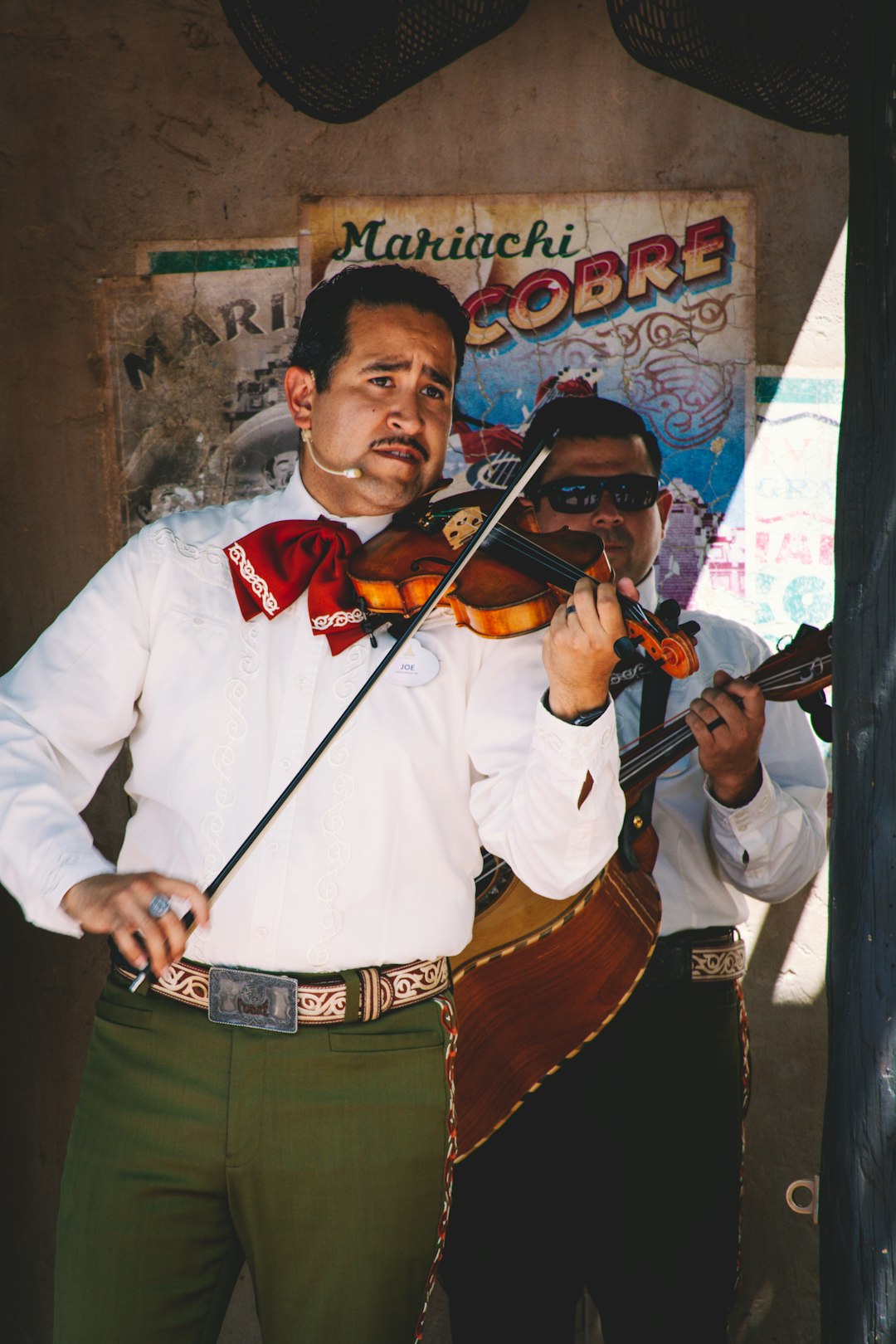
Mexican folk dance is inseparable from celebration. The Jarabe Tapatío — what most people call the "Mexican Hat Dance" — gets performed at weddings, quinceañeras, national holidays, and basically any excuse to gather. A full mariachi outfit includes trumpets, violins, guitars, and the deep-voiced guitarrón. That wall of sound doesn't just accompany the dance. It pulls bystanders into it.
I've watched three generations of a family in Guadalajara join a Jarabe circle mid-song, no rehearsal, no hesitation. The music told them where to step.
The Common Thread
Strip away the costumes, the regional instruments, the centuries of tradition, and folk dance across every continent shares one thing: the music doesn't sit in the background. It drives, provokes, and sometimes even bullies the dancer into motion. A djembe in Guinea, a violin in Budapest, a tabla in Chennai — each one is a conversation starter.
Next time you hear traditional music from somewhere unfamiliar, pay attention to your feet. They might know something your brain hasn't figured out yet.