Feel the Rhythm
The first time I heard cumbia, I wasn't in some fancy dance hall. I was at a backyard barbecue in Queens, and suddenly the speakers kicked on with this bass line that grabbed me by the chest. Within seconds, strangers were pulling me into a circle, and before I knew it, I was moving in a way I never knew I could. That's the thing about cumbia — it doesn't ask permission. It just pulls you in.
What's Cumbia Anyway
Cumbia started in Colombia's Caribbean coast, born from a mix of Indigenous, African, and Spanish influences. It's been around since the 1600s, but trust me, it doesn't feel old. When you hear those drums hit, that accordion wail, and the gaita flute cutting through — your body just knows what to do. The 4/4 beat keeps things steady, giving you a steady pulse to lock into. Whether you're dancing solo or with a partner, cumbia meets you where you are.
The Basic Footwork (Don't Overthink It)
Here's the honest truth: cumbia steps are simple. The complexity comes from making them feel natural. Start standing with feet together, facing your partner.
Now step forward with your right foot. Bring your left foot to meet it. Step back with your left foot. Right foot follows. That's it. You're just alternating, shifting your weight smoothly from foot to foot. The magic isn't in getting every step perfect — it's in staying relaxed. Tight knees kill cumbia. Loose knees let you move.
Adding Your Body Into It
Here's where cumbia gets fun. As you step forward, let your hips follow that foot slightly. Don't force it — just let your weight shift and your hips sway the opposite direction. It's a gentle rock, almost like you're balancing something on your head while you walk. Subtle is better than dramatic. When you watch experienced dancers, they make it look like liquid because they're not overthinking it. Their hips respond to the music, not to some checklist.
Dancing With a Partner
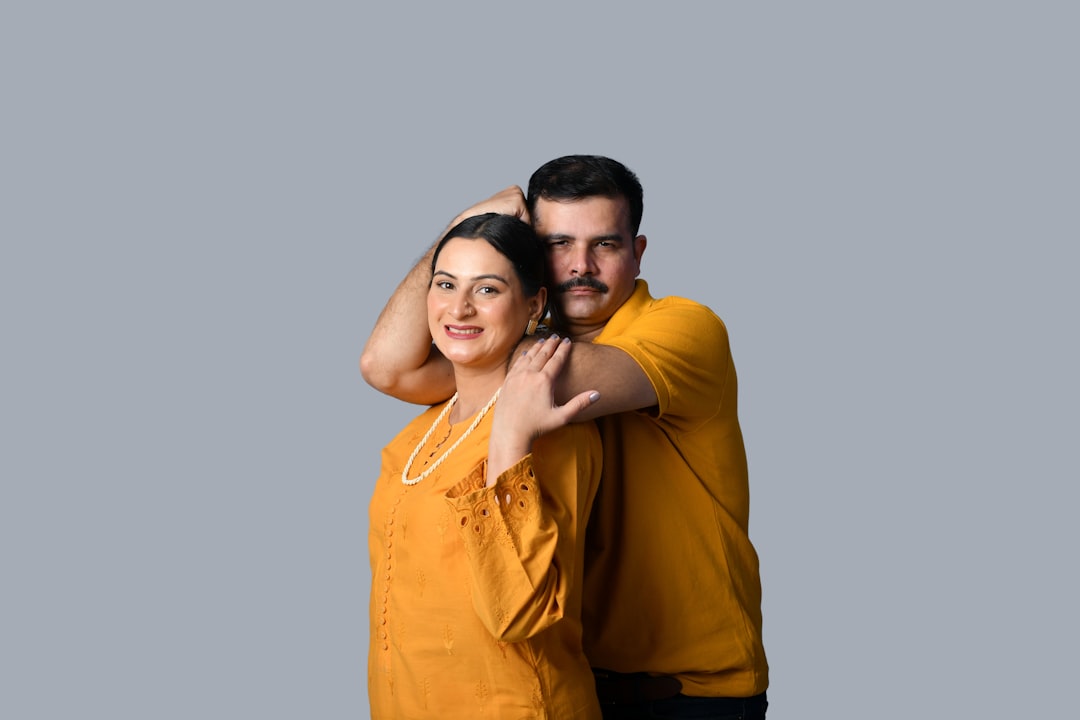
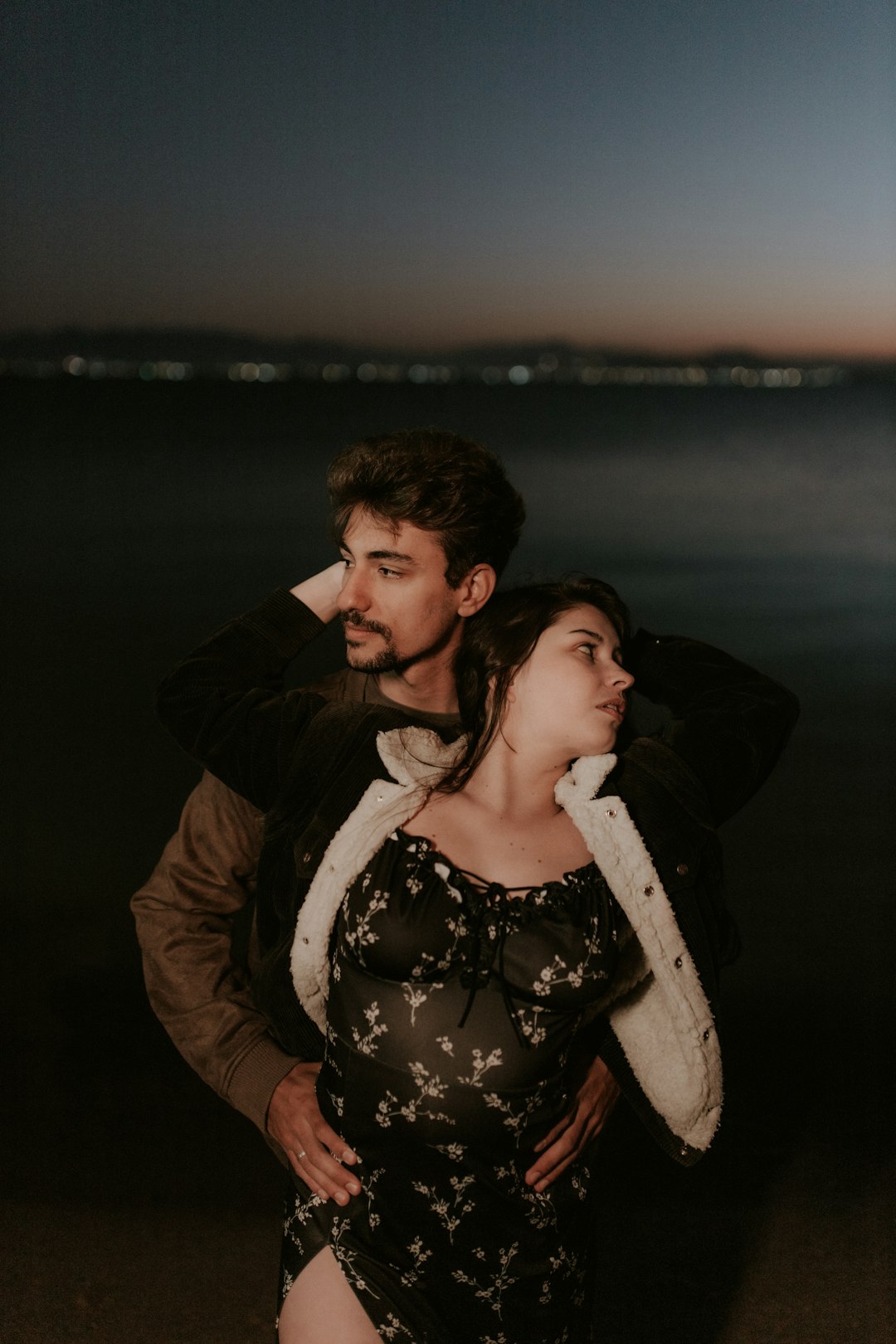
The classic cumbia holds matter more than you think. The lead places his right hand on her back, near her shoulder blade. Her left hand rests on his shoulder. Their free hands clasp together, creating this connection like a rope between you. The lead guides through pressure — a slight push, a gentle pull, a shift of weight. She follows by feeling, not by watching. The best cumbia couples make it look telepathic because they've practiced feeling each other's movements.
Once you've got the basics down, try these:
- **El Corte**: The lead steps sharply in front of the partner, blocking her path, then releases her with a flourish
- **El Giro**: She spins under his raised arm while he pivots in place
- **La Zana**: A sidestep where both partners move together in one direction then snap back
Listen First, Dance Second
Before you obsess over footwork, spend real time listening. Search for icons like Los Hermanos Rosario, Carlos Vives, or the classic La Sonora Dinamita. Notice how the percussion locks into the accordion. Feel where the gaita "talks." When you internalize the rhythm, your body stops Thinking and starts feeling. Dancing becomes a conversation between you and the music.
You're Part of Something Bigger
Cumbia isn't just steps — it's a whole world. In Colombia, it's played at weddings, festivals, town celebrations. When you dance cumbia, you're joining a tradition that's brought joy to generations. The culture runs deep: research its origins in African drum circles, Indigenous ceremonies, colonial influences. Understanding why cumbia matters makes your dancing mean more.
Get Out There
So what if you stumble? Everyone does at first. Grab a friend, put on some music, and mess around in your living room. Check out local Latin dance nights — most have free lessons before the party starts. Hit up YouTube tutorials, practice in your kitchen, dance while you're cooking dinner. The more you move, the more your body remembers.
Here's what I know: that backyard barbecue moment changed how I think about dancing. Cumbia taught me that you don't need to be perfect — you just need to show up. The rhythm does the rest.
Now go find your circle.