The first time I heard cumbia, I wasn't in some fancy dance hall in Cartagena. I was in my kitchen, washing dishes, and suddenly this rhythm just... grabbed me. That bass line, that accordion, the way it made my foot tap without permission. Three years later, I was dancing in a packed salon in Mexico City until 4 AM, and I couldn't stop smiling. Here's what actually happens in between those two moments.
You don't learn cumbia. You absorb it.
The footwork will come. Honest. That four-step pattern—left foot forward, right foot side, left foot back, right foot side—becomes muscle memory after enough repetitions. But that's just the skeleton. The music is the body. What nobody tells you is that cumbia isn't about executing steps; it's about feeling that percussion like it's your own heartbeat. When the drums hit, your body responds before your brain catches up. So turn up the volume. Listen to Colombian cumbia, Mexican cumbia, Peruvian cumbia. Notice how the bass drives the whole thing. Let your shoulders loosen. Let your hips follow.
And speaking of hips—this is where most beginners get stuck in their heads.
Forget everything you think you know about "dancing hips." In cumbia, the hip movement isn't separate from the step. It's the step. When your left foot goes forward, let your weight shift naturally. Don't force anything. The hip sway happens because your body is balancing, because you're moving your weight from foot to foot. It should feel easy, like breathing. The first time you stop thinking about it and suddenly realize your hips are moving—yeah, that's the moment.
Now, the partner thing.
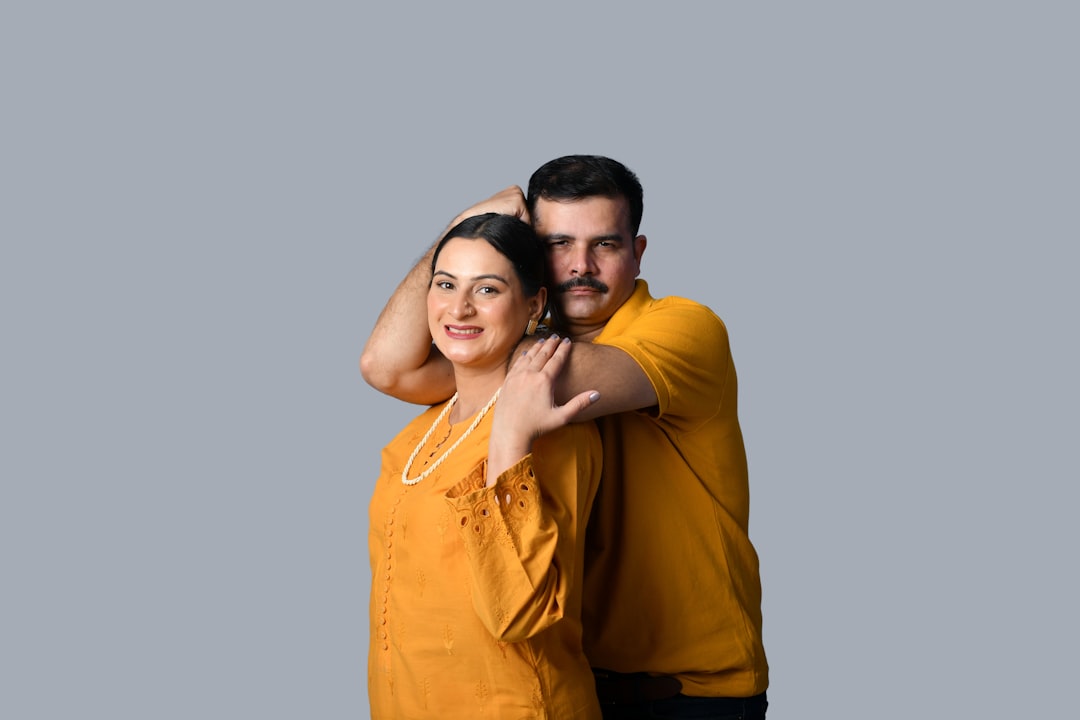
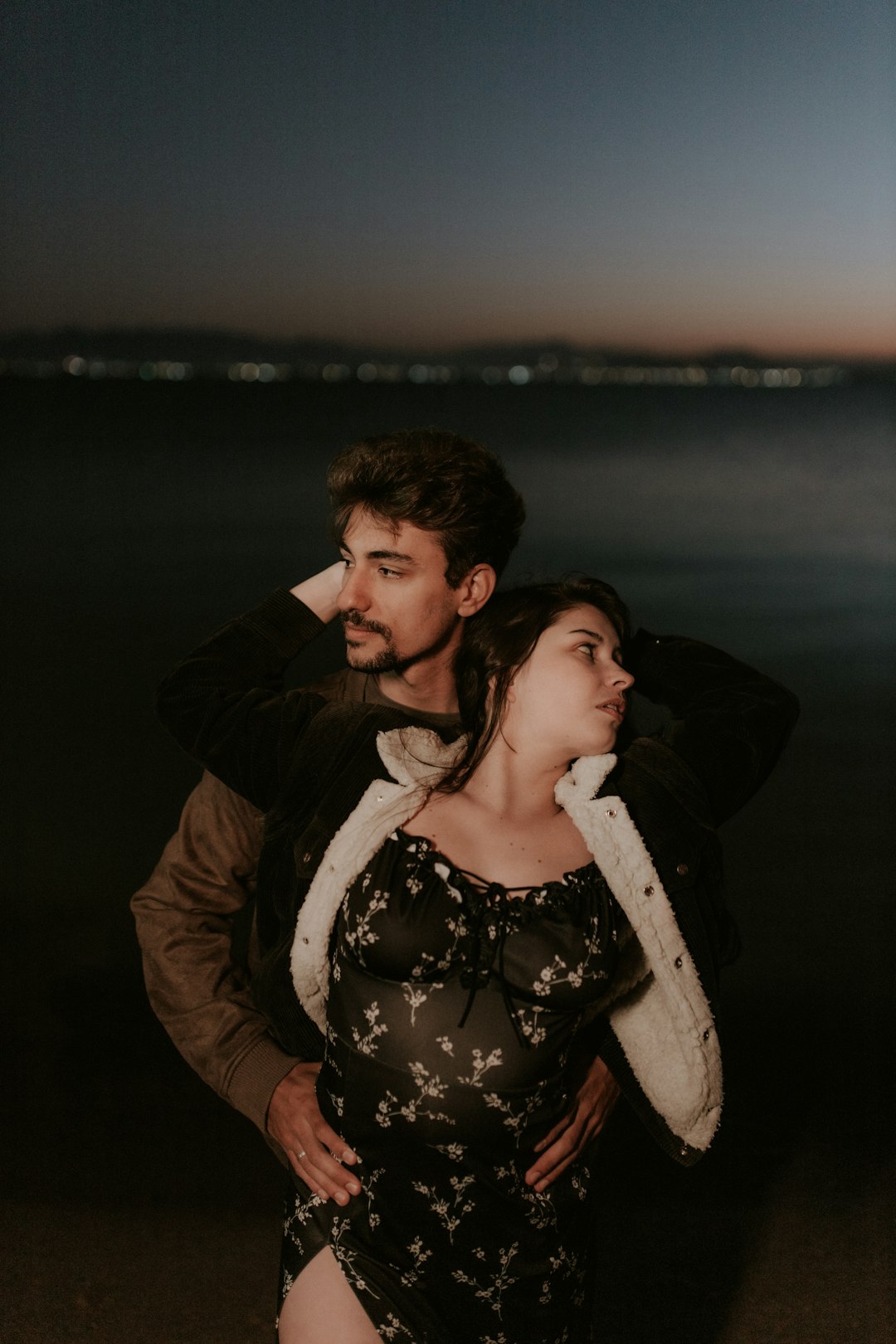
This matters more than any footwork: cumbia is a conversation between two people. Your lead needs to be clear but not controlling—think suggestion, not demand. Your follow needs to feel the weight transfer and respond. The best cumbia couples aren't necessarily the most technically perfect. They're the ones who look like they're having a silent argument, or a private joke, or saying "I've got you" without speaking a word. Eye contact helps. Breathing together helps more. If you're dancing with someone and you can't feel their intentions through your arms, that's the skill to work on—not the fancy turns.
Finding your people changes everything.
I learned more in three months of dancing at a local salon than a year of YouTube tutorials. There's something about being the worst dancer in the room that forces you to pay attention. You watch how the regulars move. You feel the energy of the room. You get comfortable being uncomfortable. Find a local Latin night, a community dance class, even a WhatsApp group of cumbia lovers. These people will correct your posture without making you feel stupid, drag you to parties you'd never find alone, and remind you why you're doing this when your feet hurt and you want to quit.
Here's an uncomfortable truth: you will embarrass yourself. A lot.
The first time I tried to lead a turn, I nearly pulled my partner off her feet. I stepped on more toes than I can count. I froze when I didn't know what came next. And you know what? Every dancer you've ever admired has the same story. That guy who makes it look effortless? He spent months looking like a confused giraffe. The woman with the gorgeous hip movement? She spent hours in front of a mirror feeling ridiculous. The difference is they kept going. They showed up anyway. They made peace with being bad at something new because the music was worth it.
So turn off the overthinking. Put on a vallenato playlist. Let your厨房 become your dance floor. You're not aiming for perfect tonight. You're aiming for one song where you stop checking your feet and start actually listening to the music.
That's where it starts.