---
The First Time It Got Me
I first heard Cumbia at a backyard barbecue in Queens. Not on a playlist, not in a tutorial — live, from a speaker someone had dragged out of their car trunk. The moment the accordion kicked in, I stopped mid-bite. There's something about that rhythm that doesn't just make you want to move — it makes your body move whether you're ready or not.
That night I stepped onto the makeshift dance floor in my sneakers, having zero idea what I was doing. Three years later, Cumbia is the dance I come back to when everything else feels too complicated. Here's what I wish someone had told me from the start.
What Makes Cumbia Different
Cumbia comes from Colombia's Caribbean coast, born from a mashup of Indigenous, African, and Spanish sounds — like if rhythm and history had a baby and raised it at a party. The beat is exactly four counts, steady as a heartbeat, which is partly why it feels so natural once your body catches on.
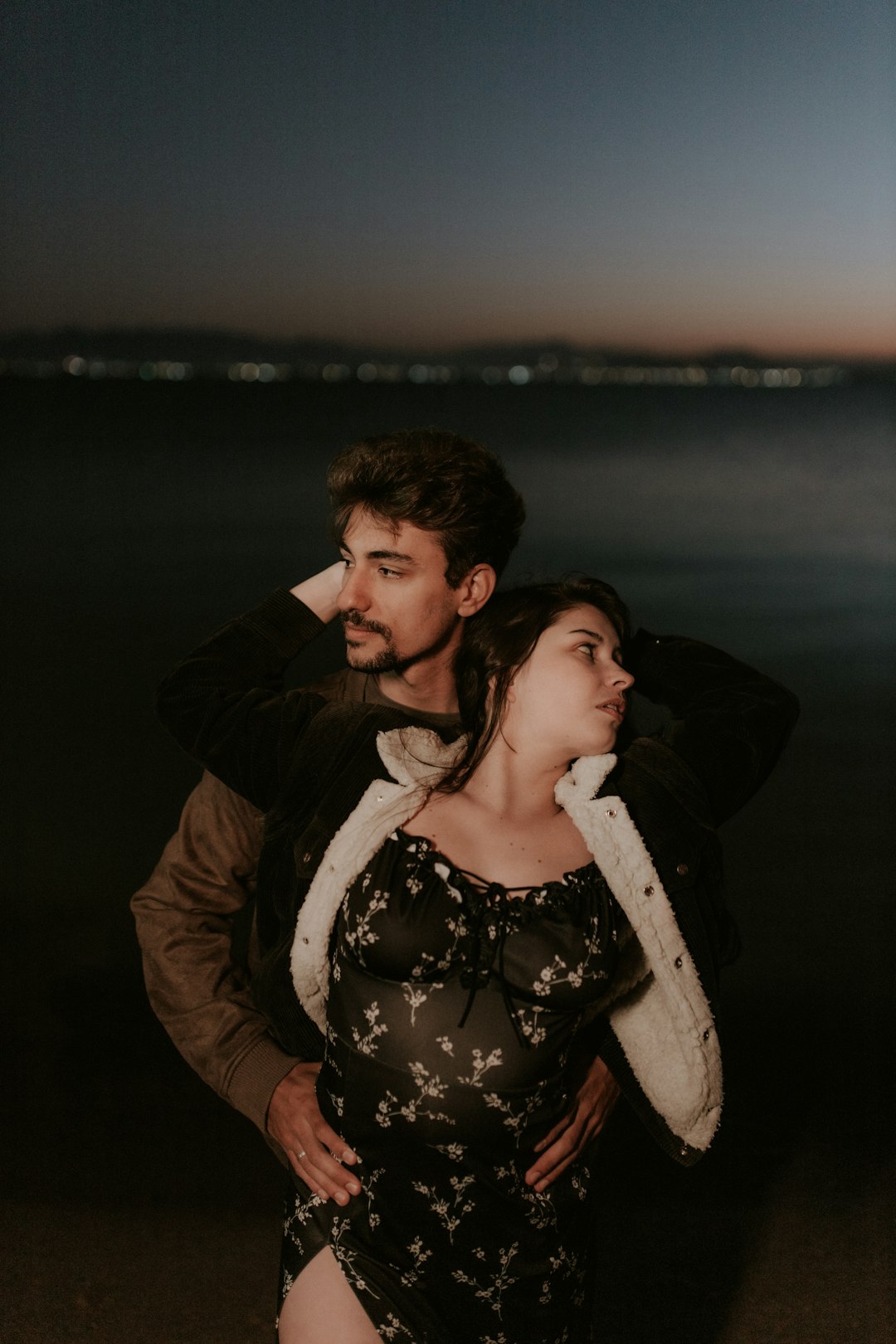
Unlike salsa or bachata, where you're constantly spinning, Cumbia is territorial. You own your space. The man's job is to lead with his torso — not his arms, his torso — and the woman responds through that connection, like a conversation where one person asks and the other answers.
The dance spread from Colombia into Mexico, and eventually every Latinx party in the States has at least one Cumbia track that makes everyone rush the floor. That's not an accident. It invites you in.
What Actually Happens When You Learn
Here's the honest truth: the basic step is simple. Forward, together, back, together. That's it. The complexity comes from adding your own flavor — the way you shift your weight, the hip sway, how you handle a turn without crashing into the couple next to you.
You'll hear people talk about "the walk" like it's sacred. It kind of is. In Cumbia, your feet don't just move — they tell a story.
The basic sequence in plain English:
- Step forward with your left foot
- Bring your right foot to meet it
- Step back with your right foot
- Bring your left foot to meet it
- Repeat, adding a gentle hip sway as you shift weight
The turns happen when the man gives a light signal through the frame — a tiny pull, a shift in pressure — and the woman follows. It's subtle. You're not signaling a U-turn; you're inviting a spin.
Where to Actually Learn (And Where Not To)
In person: Community centers and Latinx cultural organizations often run drop-in workshops, especially in cities with strong Colombian or Mexican roots. These tend to be warmer and more forgiving than chain dance studios — people there actually remember what it's like to be new.
Online: YouTube tutorials exist, but treat them as supplements, not your primary teacher. Watching someone dance in a video won't teach you what your body feels like when it's doing it wrong. Use videos to catch steps you keep forgetting.
The secret weapon: Find a Latin night at a local bar or club — the kind where people actually dance, not just bob. Go with a friend. Watch. Ask someone to show you. Most Cumbia dancers are happy to teach a new person a few steps between songs. They're proud of the dance and want to share it.
The Real Talk
Learning Cumbia is going to feel awkward for the first few sessions. Your feet won't want to go where the music is telling them to go. You'll step on someone's toe. You'll forget the step entirely and freeze. All of this is normal.
A few things that actually helped me:
- **Listen to Cumbia while you cook.** Don't practice, just let the rhythm become background noise. Your body starts internalizing it.
- **Dance alone in your room with the mirror on.** Yes, it feels silly. It also works.
- **Go to a social night and dance badly on purpose.** No one is judging you. Everyone there remember being where you are.
- **Focus on the beat, not the steps.** If you're on rhythm, you're doing better than you think.
The "perfect" Cumbia dancer doesn't exist. Everyone adds their own flavor. Some people isolate more. Some people sway harder. Some men lead with their whole frame, some with just their fingers. Whatever your body naturally wants to do — that's your Cumbia. There's no test to pass.
So What's Stopping You
Cumbia doesn't demand flexibility, years of training, or the right shoes. It demands you show up and move. The music does the rest.
Find a song. Stand up. Step forward, together, back, together. Add the sway. Let the rhythm take you where it wants to go.
You already know more than you think you do.