---
There's a moment every folk dancer knows. You're backstage, heart pounding, costume perfectly pressed — and suddenly you can't raise your arms above your head. The embroidery on the sleeve is too stiff. The skirt is three inches too long. The vest doesn't breathe. You spend the first thirty seconds of your performance thinking about your clothes instead of your dancing.
I've been that dancer. So has nearly everyone I've ever performed with.
Folk dance costumes carry more weight than their fabric suggests. They hold generations of movement, carry meaning in every seam, and — when chosen poorly — can quietly sabotage the very thing you're trying to honor. This isn't about looking picture-perfect. It's about wearing something that lets you disappear into the dance.
Start with the Culture, Not the Closet
Here's the mistake most beginners make: they fall in love with how a costume looks on a rack or a YouTube thumbnail, then try to make it work. With folk dance, that approach gets you in trouble fast.
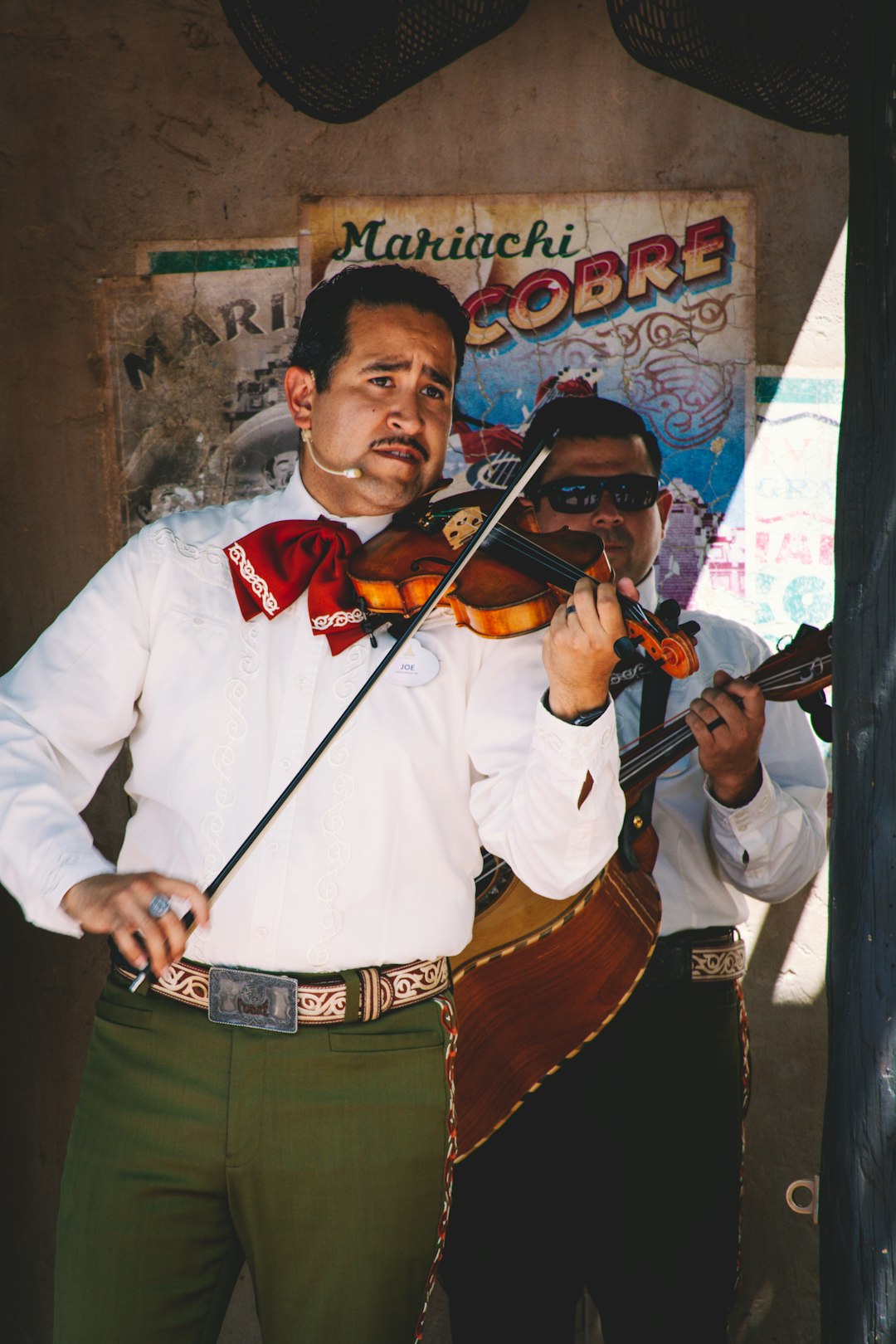
Before you buy a single piece, ask yourself: what tradition am I wearing from? A Russian sarafan isn't just a pretty dress — it's a garment with specific regional origins, color conventions, and historical meaning. The same goes for a Mexican china poblana, a Scottish Highland kilt, or a Korean jeogori. These aren't costumes in the Halloween sense. They're cultural clothing.
That doesn't mean you need a anthropology degree. But spending an evening reading about your specific dance form — even just Wikipedia and a few YouTube videos from actual practitioners — will change everything about how you shop. You'll stop looking for "something that looks ethnic" and start looking for the real thing, or a respectful approximation of it.
Fit for Movement, Not for Photographs
Here's a brutal truth nobody talks about: folk dance costumes that photograph beautifully often dance terribly.
Stiff brocades look incredible on a stage lit for cameras. They also restrict your ribcage and make arm flourishes look mechanical. Heavy embellishments catch light and add drama — until you're sweating through a forty-minute set in August.
When you're evaluating a piece, put it through a movement test before you commit:
- Raise both arms straight up. Can you do it without the fabric pulling or bunching?
- Take a wide step into a squat or lunge. Does the hem allow for it, or are you flashing ankle to the audience?
- Turn in place three times. Does anything wrap, twist, or ride up?
- Breathe deeply. Multiple times. Can your diaphragm expand freely?
Cotton, linen, and lightweight rayon are usually kinder to the body under stage lights than their heavier, shinier cousins. If you must have that dramatic metallic trim, save it for the pieces that don't move much — the vest, the headpiece, maybe the belt. Let your torso and legs breathe.
Stage and Street Are Different Worlds
This is where people get hung up. They find a costume they love and try to wear it everywhere.
It's understandable — folk dance costumes are beautiful, and there's a real joy in wearing them beyond the performance. But a stage and a street festival operate under completely different rules.
On stage, you need visibility. Bold colors, larger patterns, and exaggerated details read from twenty rows back. A delicate gold chain that's stunning in person becomes invisible under spotlights. A subtle print turns into a solid block. Most regional folk ensembles actually add to their costumes for stage performance — brighter versions of the same pieces, extra layers, more pronounced silhouette.
On the street — a parade, a cultural festival, an informal gathering — you want something you can move in for hours without overheating, something that won't mind if someone bumps into you, something with practical footwear. Your street version might be the "everyday" version of what your ancestors wore: simpler, more durable, still beautiful but built for real life.
The same dancer might own two or three versions of their primary costume. That's not cheating. That's smart.
When Tradition and Taste Collide
This is the interesting tension. Folk dance communities differ wildly on how they handle modernization.
Some traditions are rigid — the costume is the costume, exactly as it's been for centuries, and deviation is considered disrespectful. Others evolve constantly, absorbing new fabrics, colors, and accessories with each generation. Irish dance is famously strict about what can be worn at competitions. Appalachian flatfooting communities are far more relaxed about personal interpretation.
Know your community's stance before you start customizing. If you're the outsider — even a dancer from the diaspora learning a tradition their grandparents carried — reach out to elders or experienced dancers and ask directly. Most people are happy to talk about their costumes. Many will be genuinely touched that you care enough to ask.
That said, personal style isn't forbidden. Plenty of dancers put their own stamp on folk dance wear — a color palette that flatters their skin tone, a modern belt that still references traditional design, shoes that perform better than the antique versions. The goal is to express yourself within the tradition, not despite it.
The Shoes Matter More Than You'd Think
Nobody writes about this enough.
Your feet connect you to the floor. Your shoes connect your feet to the floor. If something is wrong in that chain, your whole movement quality suffers.
Traditional folk dance footwear varies enormously. Soft leather moccasins for Native American styles. Hard-sole character shoes for certain Eastern European forms. Barefoot is legitimate and even preferred in many traditions, particularly in hotter climates. Tap shoes if you're dancing in a Celtic or contradance context.
The common mistakes: shoes that are too stiff (you lose sensitivity to the floor), shoes that are too soft (no support for quick direction changes), shoes with no grip on a smooth surface, and shoes that are essentially decorative — beautiful but not functional.
If you're performing on a gym floor, a polished stage, or outdoor pavement, test your grip before the performance. I once watched a talented dancer wipe out during a Romanian hora because her leather sandals had zero traction on the lacquered floor. She was fine. But the dance wasn't.
Break in new shoes before you perform in them. Wear them around the house. Dance in them during practice. A quarter-inch of unfamiliar rubber can throw off your weight distribution in ways you won't feel until you're already mid-step.
What You Wear Tells the Audience Who You Are
This is the part I keep coming back to.
When an audience watches a folk dancer, they're not just seeing movement. They're seeing a visual story — and your costume is the narrator. The colors say something. The silhouette says something. The care (or carelessness) with which the costume is assembled says something.
I've watched dancers from the same village perform the same dance, and the difference in how the audience received them was partly — sometimes largely — about what they wore. A costume that fits well and moves well makes the dancer look confident. A costume that tells a story — this is our tradition, worn with intention — makes the audience lean in.
That's not vanity. That's communication.
When you step onto a stage or into a circle, you're representing more than yourself. You're representing the people who developed these dances, who wore these garments, who passed them down. The costume isn't separate from the dance. It's part of the performance the same way your timing or your expression is.
---
So before your next performance, go through the checklist that's actually worth something: Can you move freely? Does the garment breathe? Do the shoes grip? Have you practiced in the full outfit, not just modeled it in the mirror?
And then, when you're standing in the wings waiting for your cue — arms raised, feet planted, heart open — let the costume disappear. You're not thinking about the fabric. You're thinking about the dance. That's how you know it fits.