When the Music Hits Different
I still remember watching a Polish folk ensemble perform at a community festival. The dancers were skilled, their costumes stunning, but something felt... flat. Then the fiddler switched from a generic upbeat reel to "Sokol Młody Góral" — a traditional Highlander tune that started slow and built to a heart-pounding crescendo. The transformation was instant. The dancers' movements gained purpose. Grandmothers in the audience wiped their eyes. That's the power of choosing the right melody.
The music you pick isn't background noise. It's your dance partner.
Start With the Story You're Telling
Every folk dance carries a narrative. A Ukrainian hopak celebrates Cossack strength and agility. A Mexican jarabe tapatío tells of courtship and national pride. Before you pick a tune, ask yourself: what moment in time are you recreating?
Traditional melodies work because they've been shaped by centuries of dancers doing exactly that — matching movement to meaning. The Irish "Si Bheag Si Mhor" isn't just a pretty tune; it's a musical retelling of a fairy hill legend. When you dance to it, you're channeling that story.
The Case for Going Off-Script
Here's where it gets interesting. Some of the most memorable folk performances I've seen broke convention.
A Scottish Highland dancer performed to a slow, haunting version of "Flower of Scotland" arranged for cello instead of the usual pipe band. The audience expected kilts and flying hair. They got vulnerability. It worked because it honored the tradition while finding a new emotional entry point.
Balkan Beat Box and similar fusion artists have created tracks that make folk dance accessible to audiences who might never set foot in an ethnic heritage hall. Is it traditional? No. Does it get people moving? Absolutely.
Know Your Region's Signature Sounds
Different traditions demand different instrumentation. Flamenco without guitar palos feels incomplete. Bhangra needs that dhol energy. Here's a quick reference that goes beyond the obvious:
- **Eastern Europe**: Think accordion, violin, and those asymmetrical rhythms that make counting a challenge (7/8, anyone?)
- **Celtic traditions**: Fiddle, bodhrán, tin whistle — the instruments that cut through a noisy pub
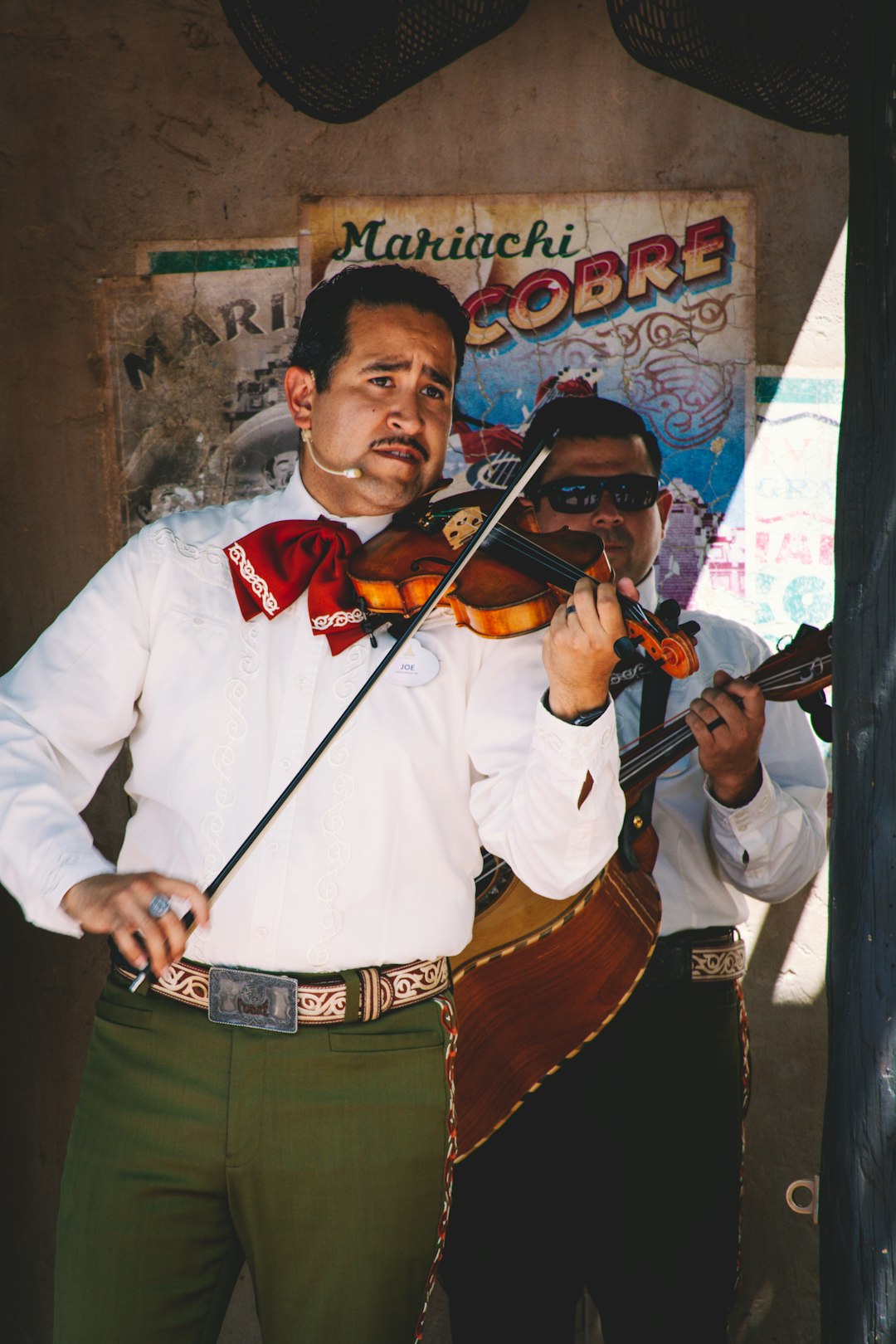
- **Latin America**: Guitar family dominates, but don't sleep on the quena (Andean flute) or accordion in norteño
- **Middle Eastern folk**: Oud, darbuka, violin — instruments that can hold long, expressive notes
Energy Matching (And Why It's Not Obvious)
Fast dance = fast music, right? Not always.
I watched a Romanian dancer perform a technically demanding căluşari to a moderate tempo. The slower music gave her space to show the intricate footwork. Had she used the typical breakneck pace, the audience would've missed half the complexity.
Conversely, some of the most emotional performances come from contrast — a slow, deliberate dance building to a sudden burst of energy when the music crescendos. Think of how "Sirtaki" from Zorba the Greek works: it starts almost mournfully, then explodes.
The Songs That reliably Work
After years of watching and performing, certain tunes keep showing up because they simply deliver:
For beginners: "Cotton-Eyed Joe" (American), "Tancuj" (Slovak) — clear beats, forgiving tempos
For emotional impact: "Danny Boy" sung in Gaelic, "Czardas" by Vittorio Monti — builds from contemplative to passionate
For audience participation: "Hava Nagila", "Tarantella Napoletana" — even non-dancers feel the pull
For technical showcase: "Riverdance" sequences, complex Bulgarian horo tunes — demand precision
One Final Secret
The best melody for your folk dance? It's the one that makes you forget you're performing.
I've seen professionals miss steps to "correct" traditional music and amateurs deliver goosebump-inducing performances to unexpected choices. The difference wasn't skill — it was connection. When the music speaks to you, your body responds honestly. And honest movement reads from the back row.
So explore. Listen to field recordings from the region you're studying. Try that fusion version. Ask a musician friend to rearrange a classic. Your perfect melody is out there, waiting to turn your steps into someone's lasting memory.