The Accordion Started It
I still remember my first folk dance class. The instructor cranked up "Kalinka" and suddenly twenty strangers were linking arms, spinning in circles, laughing at their own two left feet. That's the thing about folk music—it doesn't ask permission. It pulls you in.
Russian folk dance lives and dies by energy. "Kalinka" isn't just background noise for those lightning-fast squat kicks and arm swings. The song builds, drops, builds again. Accordions wheeze, balalaikas chatter, and somewhere in that crescendo, you forget you're supposed to look cool. You just move.
Spain in Three-Count Time
Ever watched someone dance the Jota? The footwork's blistering—heels striking floor in rapid-fire patterns while arms trace elegant arcs overhead. "Jota Aragonesa" captures all of that nervous energy in guitar strings. The rhythm doesn't give you time to overthink.
What makes Spanish folk music work for dancers is its conversation. Guitar responds to guitar. Melody answers rhythm. You're not dancing alone—you're joining a dialogue that's been happening for centuries.
The Wedding Song That Became a Universal Language
"Hava Nagila" shows up at Jewish weddings, sure. But I've heard it at Bulgarian festivals, American college events, random street parties in Buenos Aires. There's something about that minor-to-major shift, that accelerating tempo, that makes everyone grab hands automatically.
The Hora starts slow. Someone's always off-beat. Then the circle tightens, speed builds, and suddenly you're hoisting people onto chairs, spinning under linked arms, gasping for air. That's not choreography—that's pure momentum carried by the music's relentless joy.
When Music Gets Dangerous
Bolivian Tinku isn't background playlist material. The drums hit like a heartbeat under stress. Pan flutes keening over that thunderous foundation—this is music for a ritual that grew from actual combat traditions.
Dancing Tinku means channeling something primal. The music demands intensity. You're not tapping your foot; you're stomping. Every movement carries weight, history, a story that predates comfortable theater seats.
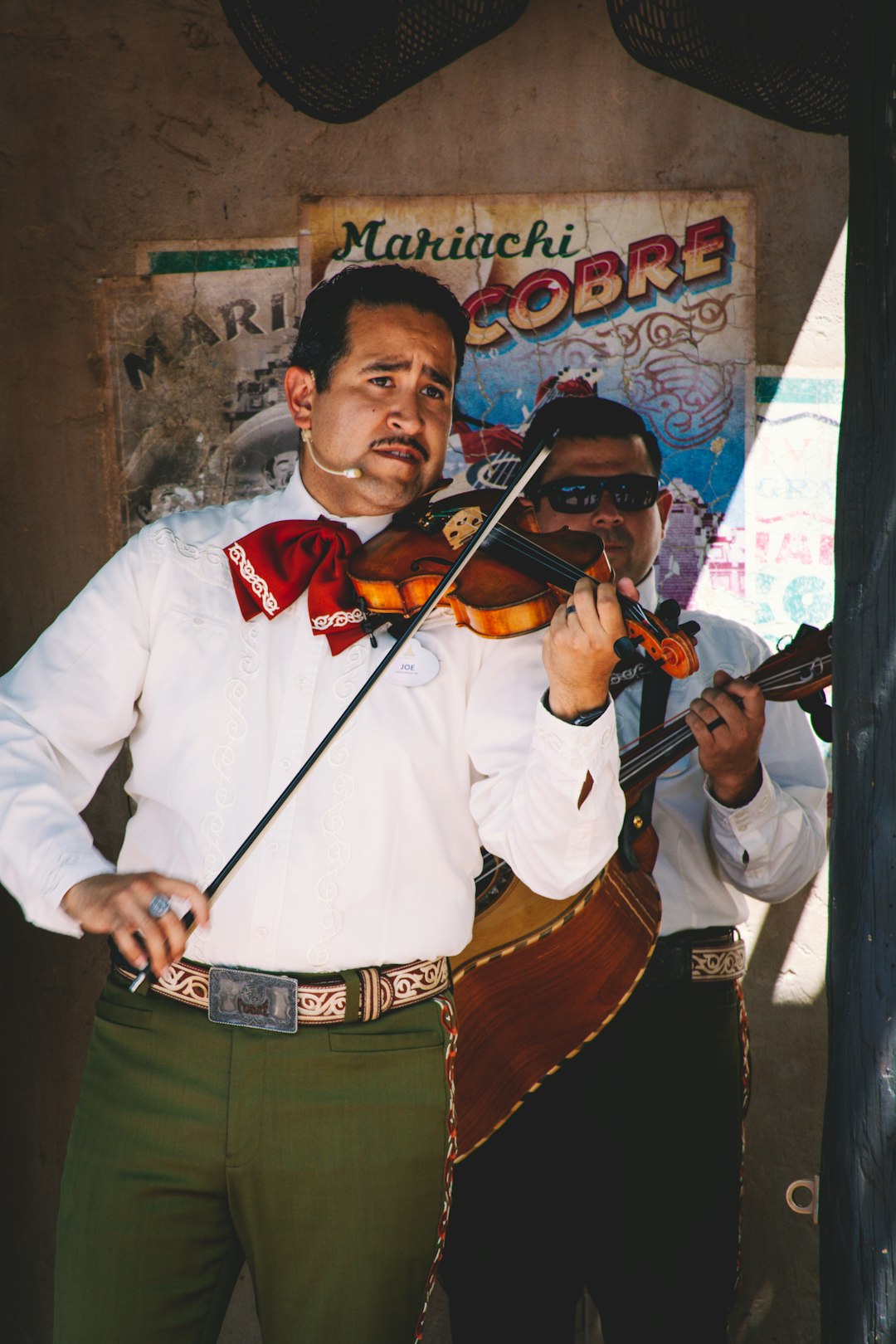
The Song Every Mexican Kid Learns Before They Can Walk
"Cielito Lindo" floats from car windows, restaurant patios, family gatherings. That chorus—"Canta y no llores"—is basically hardcoded into Mexican DNA by age five.
But watching the Jarabe Tapatío (yes, the hat dance) performed to this melody? That's different. The courtship story unfolds in gestures—the flirtatious toss of a skirt, the pursuer's persistence, the final acceptance. The music guides every moment.
Polka: The Unsung Hero of Every Wedding Reception
Nobody admits they love polka. Then the DJ plays it, and suddenly your uncle's doing circles around the dance floor with your cousin's girlfriend.
The Czech Republic gave us this 2/4 time signature that refuses to let you stand still. Oompah, oompah, oompah—the bass notes land like footsteps. Dancers spin, reverse, spin again. It's exhausting and exhilarating and profoundly silly in the best way.
When Punjab Meets the Dance Floor
Bhangra started as a harvest celebration. Farmers moving after long days in fields, drums driving exhaustion into pure energy. Modern "Bhangra Beats" tracks layer those traditional dhol drums with electronic bass, but the core hasn't changed.
Your shoulders start bouncing before you decide to dance. Arms extend overhead. Hips catch the rhythm. It's impossible to bhangra halfheartedly—the music won't let you.
Greek Dance, Movie Magic, and the Zorba Effect
"Sirtaki" wasn't even traditional until the 1964 film Zorba the Greek invented it. The choreography combined slow and fast Greek folk styles. The music followed suit—opening lazily, then accelerating until dancers race to keep up.
That controlled chaos mirrors Greek folk tradition: start measured, end breathless. The bouzouki strings practically dare you to stop.
The Spider Cure
Southern Italian folklore claims the Tarantella could cure tarantula bites. (It couldn't.) But watching dancers spin to that frenetic 6/8 time, you understand the logic. Keep moving, sweat out the poison, refuse to stop.
Modern Tarantella tracks maintain that controlled hysteria. Tambourines punctuate guitar runs. Dancers circle, reverse, circle faster. It's euphoria through exhaustion.
Scottish Speed and the Fiddle's Bite
A proper Scottish reel doesn't ease you in. The fiddle hits, and you're already behind the beat. That driving rhythm—fast, faster, relentless—turns the dance floor into controlled chaos.
What makes reel music work isn't polish. It's edge. The fiddle doesn't apologize; it demands. Dancers respond with quick feet and barely-contained energy.
Why These Songs Still Work
None of these tracks needed marketing departments or TikTok trends. They survived because they serve a purpose: making people move together.
You can analyze folk music—study its modes, its structures, its regional variations. Or you can just press play, grab someone's hand, and figure out why humans have been doing this for thousands of years.