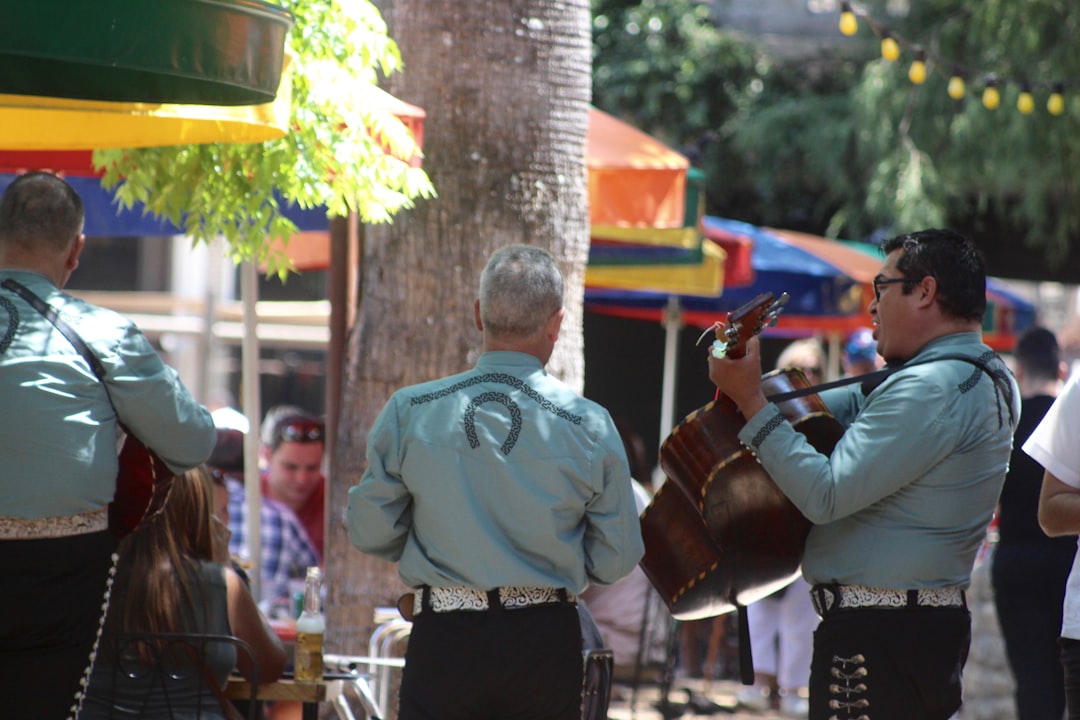
The sun is setting over Salvador da Bahia. A circle forms in the dusty street—a roda—as bodies press close, clapping in steady time. Then the gunga sounds: a single, resonant note from the deepest berimbau, and two capoeiristas drop to the ground, cartwheeling into the circle. No referee calls the match. No coach signals the plays. The music itself is the rule, the tempo, and the spirit of everything that follows.
To understand Capoeira—the Afro-Brazilian art forged from martial technique, dance, and ritual—you must first understand its music. The instruments do not merely accompany the movement. They create it. The songs do not simply fill silence. They speak history, issue challenges, and bind the community in shared breath. Beat by beat, Capoeira music shapes what practitioners call axé: the living energy that moves through the roda.
The Orchestra of the Roda
Step inside a traditional roda and you will find a small orchestra with a strict hierarchy. Three berimbaus—a single-stringed bow instrument struck with a stick, stone, and coin—command the center.
- The gunga holds the lowest voice and the highest authority. It sets the toque, the rhythmic pattern that dictates the game's character.
- The médio locks into the gunga's foundation, reinforcing the pulse.
- The viola dances above them both, improvising rapid flourishes that add tension and unpredictability.
Around them, the atabaque—a tall hand drum—drives the heartbeat with rolling bass tones, while the pandeiro, a Brazilian tambourine, snaps sharp accents against the texture. The agogô, a double bell, and the reco-reco, a scraped percussion tube, fill the gaps with metallic chatter. Each player listens. Each player responds. What emerges is not a fixed composition but a conversation in rhythm, shifting moment to moment as the mestre reads the energy of the game.
How the Berimbau Dictates the Fight
Here is where abstraction becomes physical reality. The berimbau's three primary tones—ding (open string), dung (muffled), and dung-ding (vibrato)—are not merely musical colors. They are instructions.
When the gunga fires crisp, open dings in the pattern of São Bento Grande, the game ignites. Capoeiristas launch into acrobatic exchanges: au cartwheels, meia lua de compasso spinning kicks, floreios that dazzle the circle. The rhythm demands speed, aggression, and verticality.
But when the gunga slides into the low, muffled Angola toque—heavy on the dung, patient between phrases—the players' bodies change entirely. They lower their centers of gravity. Movements become circular, deceptive, grounded in malandragem: the cunning of the trickster. A smile might mask a sweep. A slow ginga might explode into a sudden takedown. The same two athletes become different fighters because the music has rewritten the rules.
Mestre Pastinha, the legendary guardian of Capoeira Angola, once described this relationship as inseparable: "Capoeira without music is not Capoeira. The berimbau is the father of the roda." Without it, there is no game—only choreography without meaning.
The Songs: History Sung in Call and Response
If the instruments command the body, the songs feed the soul. Sung in Portuguese with African rhythmic structures, Capoeira songs operate through pergunta e resposta—call and response. The lead singer, usually the senior mestre at the berimbau, throws out a line. The chorus throws it back. In this exchange, the roda becomes a single breathing organism.
The repertoire divides into forms with distinct functions. The ladainha is a long, solo narrative that opens the roda, often recounting the exploits of legendary capoeiristas, invoking saints, or asserting the singer's lineage. A common ladainha begins:
"Avisa meu mano, que eu cheguei de Angola"
"Tell my brother, I have arrived from Angola"
This is not casual travelogue. It is a declaration of roots, of survival, of the African presence that colonial Brazil tried to erase. The Angola referenced is both homeland and state of mind—patient, wise, unbreakable.
The corridos follow: shorter, faster call-and-response songs that sustain the game's energy. Their lyrics might praise Oxalá, the creator orixá; mock a player's stumble; or offer