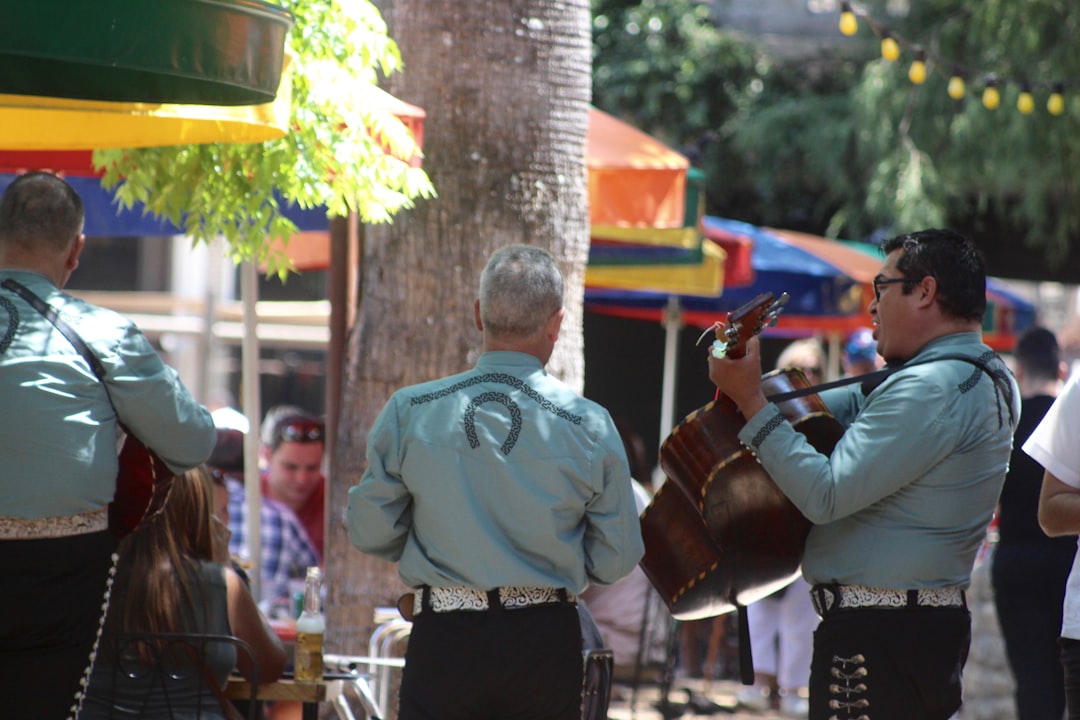
Little Round Lake City will never rival São Paulo or Salvador in scale, but it has become an unlikely Midwestern hub for Afro-Brazilian martial arts. Since Mestre Jogo de Dentro opened the city's first academy in 2009, the local scene has grown to roughly 400 active practitioners across four established schools. What started as a single downtown studio has expanded into a small but resilient network, with regular inter-school rodas, annual batizados drawing visiting mestres from Chicago and Minneapolis, and outreach programs that introduce Capoeira to public school students across the district.
If you're looking to start—or deepen—your practice, here's what each school actually offers, who leads the classes, and what you'll pay to walk through the door.
The Roda Circle Academy
Best for: Structured progression and frequent open rodas
Location: Downtown, above the old hardware co-op on Maple Street
Drop-in rate: $18 / First class free with online registration
Schedule: Six days a week, with two-hour evening sessions
Mestre Jogo de Dentro, who trained under Mestre Cobra Mansa in Washington, D.C., before relocating to the Midwest, runs The Roda Circle Academy with a clear hierarchy. The school offers six levels of structured progression, from beginner corda crua to advanced corda marrom. Classes follow a predictable rhythm: warm-up, ginga refinement, paired sequences, and a closing roda.
The academy's weekly open rodas on Friday evenings have run continuously since 2011. Attendance typically ranges from 25 to 40 people, mixing students from all four local schools. If you want a straightforward entry point with visible milestones, this is it.
Axé Power Studio
Best for: Music, performance, and Capoeira's ritual side
Location: Warehouse District, near the riverfront bike path
Drop-in rate: $20 / Monthly music-only membership available
Schedule: Movement classes four days a week; music workshops Tuesdays and Saturdays
Mestre Batuque, a former percussionist from Recife who studied under Mestre Nô in Bahia, built Axé Power Studio around a simple premise: you cannot separate Capoeira from its sound. Students spend roughly half of each class on physical technique and half on the bateria—learning to play and sing for the roda. The studio maintains a lending library of berimbaus, atabaques, and pandeiros for students who cannot yet afford their own.
The studio's signature event is its annual batizado and troca de cordas each April. The 2024 ceremony brought in visiting mestres from Chicago and Minneapolis, with roughly 120 participants over a single weekend. If you are drawn to Capoeira's musical and ceremonial dimensions more than its athletic spectacle, start here.
Ginga Flow Community Center
Best for: Families, seniors, and absolute beginners
Location: Northside community complex, shared with a food pantry and ESL program
Drop-in rate: Pay-what-you-can, with a suggested $12
Schedule: Multi-age classes Saturdays; adult beginners Wednesdays; seniors Fridays
Ginga Flow operates less like a traditional martial arts academy and more like a neighborhood gathering space. Founded in 2015 by a collective of local contra-mestres, it offers classes for children, adults, and seniors in the same building where neighbors pick up groceries and attend English classes. The tone is deliberately informal. There are no formal corda rankings; progress is tracked through participation and peer recognition.
The center's school outreach program places instructors in four Little Round Lake City public elementary schools, reaching roughly 200 students per semester. If you are hesitant about gym culture, tight budgets, or rigid hierarchies, Ginga Flow removes those barriers.
Contra-Mestre Fogo's Workshop
Best for: Advanced students seeking intensity and historical depth
Location: Industrial park studio, east of downtown
Drop-in rate: $25 / By instructor approval for advanced sessions
Schedule: Advanced conditioning Saturdays; philosophy and history seminars monthly; private coaching by arrangement
Contra-Mestre Fogo, who spent fourteen years training in Rio de Janeiro under Mestre Suassuna before moving north, runs the most demanding program in the city. His advanced sessions pair two hours of condicionamento—explosive movement, floor work, and close-game malandragem—with seminar-style discussion of Capoeira's history of resistance under slavery and its political evolution in twentieth-century Brazil.
Fogo's students have placed in regional jogos in Milwaukee and Detroit, and several now teach at satellite programs in Madison