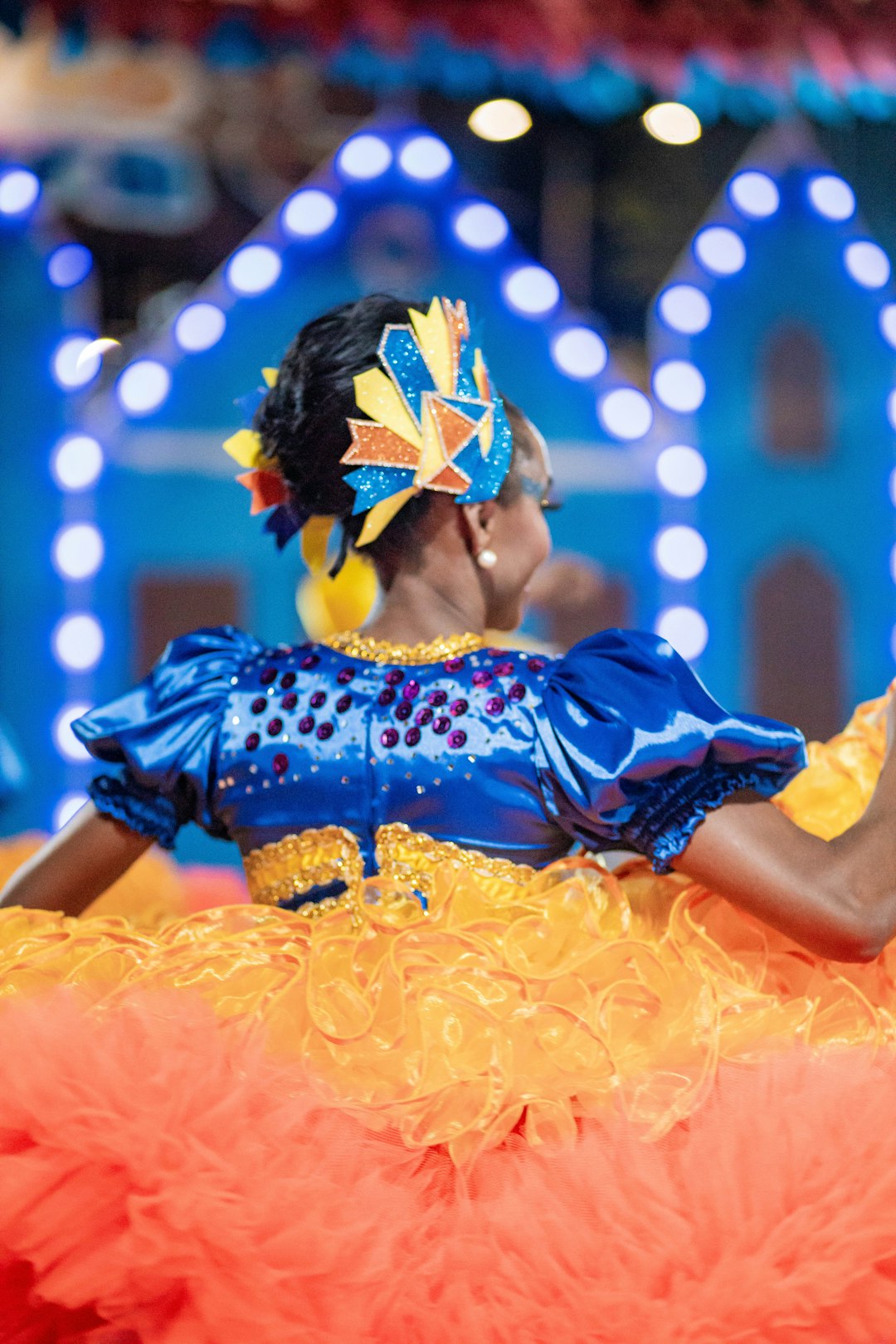
The first time you see a traje de flamenca in motion, you understand why Flamenco fashion deserves its own spotlight. As the dancer's arms sweep upward in a braceo, the volantes—those precisely engineered ruffles—spiral outward like petals caught in a sudden wind. The fabric doesn't merely decorate the body; it amplifies it, turning every zapateado into a visual percussion and every turn into a kinetic sculpture.
This is clothing as co-performer, rooted in centuries of cultural fusion yet perpetually reinvented on stages from Seville to Tokyo.
From Working-Class Roots to Feria Splendor
Today's iconic Flamenco dress emerged from unlikely origins. In the mid-19th century, Andalusian women—particularly Romani and working-class gitanas—began wearing their everyday garments to Seville's annual Feria de Abril: simple, fitted dresses with modest ruffles at the hem and sleeves. These practical trajes de gitana allowed freedom of movement for dancing in the streets while signaling cultural pride.
By the 1920s and 30s, as Flamenco commercialized and tourism grew, the dress transformed. Ruffles multiplied. Hemlines dropped. The silhouette evolved from modest working wear into theatrical statement piece—what scholars call the "folklorization" of Romani culture. Yet this evolution wasn't purely exploitative; flamencas themselves drove the aesthetic, competing each spring to appear in the most spectacular creations at the feria.
The bata de cola tells another story entirely. This dramatic tail dress, with its four-to-seven-meter train, developed for staged performances where space allowed expansive movement. Unlike the standard traje de flamenca, it demands specialized technique: dancers must master bordoneo (rhythmic stomping that manipulates the tail) and técnica de cola (precise footwork that sends the fabric rippling without tangling). A dancer in bata de cola doesn't wear the dress; she negotiates with it, turn by turn.
The Architecture of Movement
Flamenco fashion operates on principles foreign to conventional dress design. Every element serves kinetic function.
The volantes—those cascading ruffles—are mathematically positioned. Sleeve ruffles extend the line of the arm, making floreo (hand movements) visible to the back row. Skirt ruffles, graduated in width from hip to hem, create centrifugal force during vueltas, transforming the dancer's body into a spinning top of color. Without them, the same movement would disappear.
Fabric selection is equally strategic. Cotton poplin dominates summer ferias—lightweight, breathable, crisp enough to hold structural ruffles through hours of dancing. Winter performances demand heavier wool blends. Competition dancers increasingly choose technical synthetics: fabrics with memory that rebound from floor work, synthetic silks that catch LED lighting without overheating under stage lamps.
Color carries semiotic weight that transcends mere aesthetics. Black—the negro of deep mourning and duende—grounds solemn seguiriyas and tonás. Scarlet and crimson dominate festive alegrías, while the elusive verde (green) of hope and jealousy appears in soleás. The polka dots (lunares) that read as playful decoration to outsiders originated as protective symbolism: the evil eye, fragmented and scattered, cannot fix upon the wearer.
Selecting Your Traje: A Dancer's Guide
Choosing a Flamenco dress requires reconciling competing demands: tradition and individuality, visual impact and physical freedom, budget and durability.
Silhouette and length depend on repertoire. Standard traje de flamenca falls floor-length or two fingers above the ankle—practical for tablao stages where space is tight. The bata de cola demands commitment: hours of técnica de cola practice before performance, plus backstage assistance to arrange the train. Some contemporary dancers choose traje corto (knee-length) for bulerías or fusion work, though purists debate its legitimacy.
Construction details separate costume from investment piece. Hand-sewn volantes maintain shape through years of wear; machine-sewn alternatives flatten and fray. The cuerpo (bodice) should fit snugly without restricting breathing—Flamenco demands diaphragmatic support for both dancers and singers. Look for internal structure: boning at the sides, weighted hems on volantes, reinforced seams at stress points.
Color and pattern follow unwritten codes. Solid colors dominate formal performances; lunares signal festivity. Avoid white unless performing