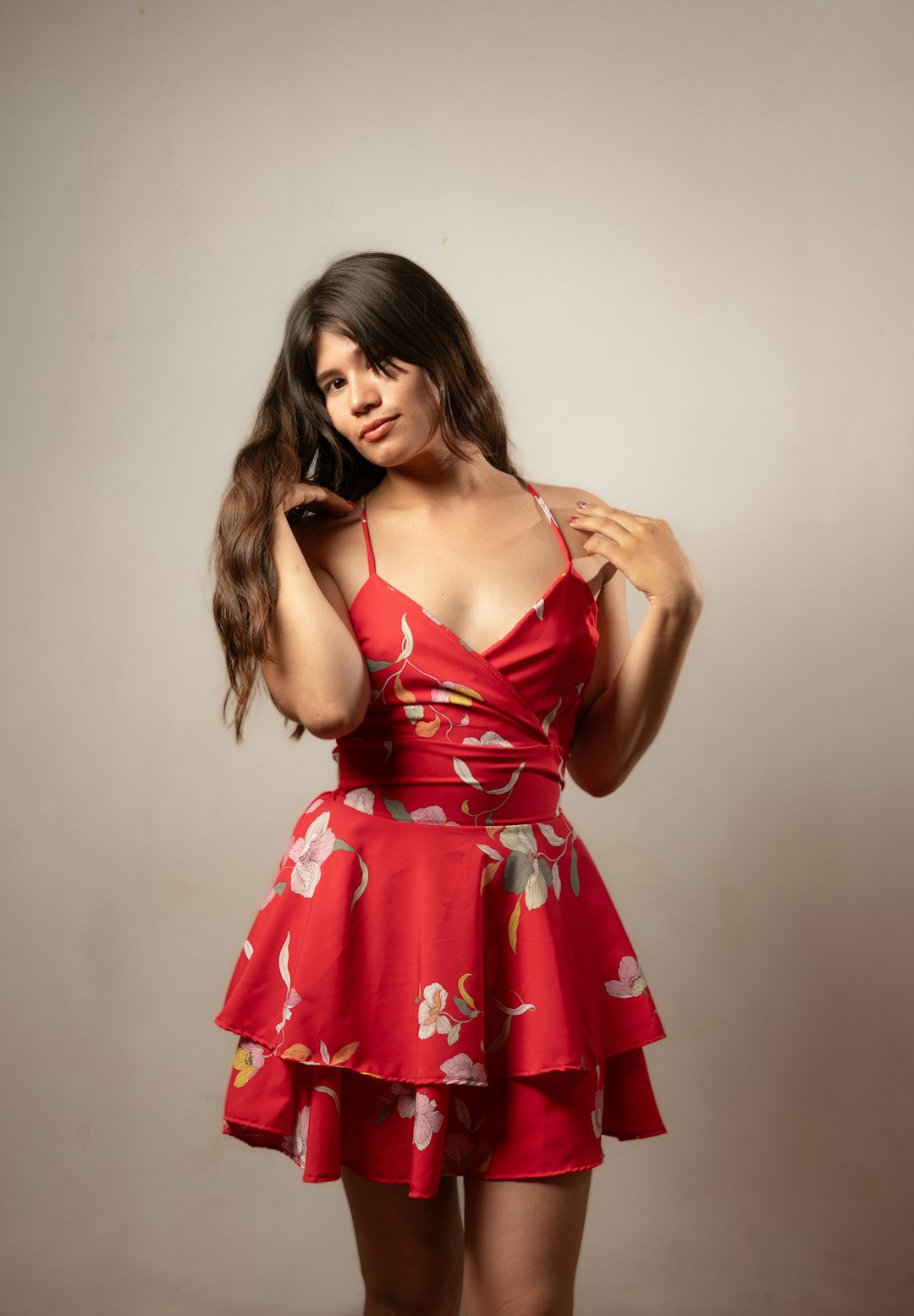
The right outfit won't make you a better dancer—but the wrong one can absolutely ruin your night. Lindy Hop demands freedom of movement, temperature regulation through hours of exertion, and footwear that balances slide and control. Whether you're stepping into your first beginner class or packing for an international exchange, here's how to build a wardrobe that serves your dancing.
Prioritize Movement and Breathability
Lindy Hop is athletic. You'll sweat, you'll stretch, and you'll need fabric that keeps up.
Fabric matters more than fashion. Natural fibers like cotton and linen breathe well but retain moisture; technical fabrics like modal or bamboo rayon wick sweat while maintaining graceful drape. Merino wool blends work surprisingly well for odor resistance. Avoid 100% polyester—it traps heat against your body and develops persistent, stubborn smells after repeated wear.
Cut is crucial. Look for:
- Tops with enough shoulder mobility for arm raises and frame changes
- Bottoms with stretch or generous cut through the hips and knees
- Waistbands that stay put without digging in during twists and folds
Test your outfit before committing: can you touch your toes, do a jumping jack, and lift your arms overhead without adjustment?
Find Your Style (Vintage Optional, Authentic Essential)
Lindy Hop emerged from 1930s Harlem ballrooms, and many dancers embrace period-inspired aesthetics: high-waisted trousers, full circle skirts, or vintage reproduction pieces. This connection to history enriches the dance for many.
However, contemporary athletic wear works equally well. Leggings and a breathable tee won't raise eyebrows at most social dances. What matters is choosing what feels authentic to your dancing and identity—not conforming to someone else's aesthetic.
For those drawn to vintage styling:
- High-waisted, wide-leg trousers (1930s-40s cut) allow knee flexibility while maintaining period silhouette
- Full skirts with built-in shorts or separate dance shorts prevent exposure during spins
- Knit fabrics with retro prints offer vintage look with modern function
Inclusive note: Gendered clothing "rules" dissolve on the dance floor. Wear what moves well and feels right—skirts on any body, trousers on any body, whatever supports your dancing.
Footwear: Your Most Important Investment
Shoes can transform your dancing—or end your night early.
For beginners: Canvas sneakers (Keds, Converse, or similar) with suede soles glued on offer affordability and adequate function. Expect to replace them as you advance.
For regular social dancers: Purpose-built dance shoes repay their cost. Consider:
- Aris Allen reproductions: Canvas or leather uppers with suede soles, period-appropriate styling
- Remix Vintage Shoes: Higher-end reproductions with genuine leather and cushioned insoles
- Dance sneakers (Capezio, Sansha): Modern aesthetic, excellent support, often preferred for long events
Critical specifications:
- Suede or leather soles allow controlled sliding for turns and momentum-based movements
- Avoid rubber soles—they grip too aggressively for pivoting and can strain knees
- Heel height: Flat to 1.5 inches maximum; higher heels shift weight forward dangerously and fatigue arches
Break in new shoes at home. Blisters mid-dance are miserable and preventable.
Dress for Your Role (and Your Partners)
Leaders and followers face different physical demands, and thoughtful attire respects both your body and your partners'.
Leaders need:
- Secure shoulder movement for clear leading through the frame
- Pockets that don't gap or eject contents during movement
- Tops that stay tucked (if tucked) through arm raises
Followers need:
- Skirts or dresses that won't ride up during multiple spins (consider weighted hems, dance shorts, or choosing cut carefully)
- Necklines that stay put during dips and turns
- Hair secured away from the face—loose hair whips partners painfully
Both roles benefit from considering tactile experience: will your sleeve buttons catch on your partner's clothing? Does your jewelry risk scratching someone? Dance is connection—dress to facilitate it.
Accessorize with Safety in Mind
Accessories express personality, but Lindy Hop's velocity turns careless choices into hazards.
Proceed with caution:
- Hats: Fedoras and caps look sharp but fly off during turns. Choose snug fits, hat pins, or remove them for dancing.
- Necklaces: Long chains wrap around partners' arms; short, close-fitting pieces are safer.
- Bracelets and watches: Dangly items strike partners; wide cuffs restrict wrist movement.
- Suspenders: Button-style only—clip-ons detach unpredictably and snap painfully.
Functional accessories worth considering:
- Small crossbody bags worn high and tight for essentials
- Sweatbands (wrist or head)