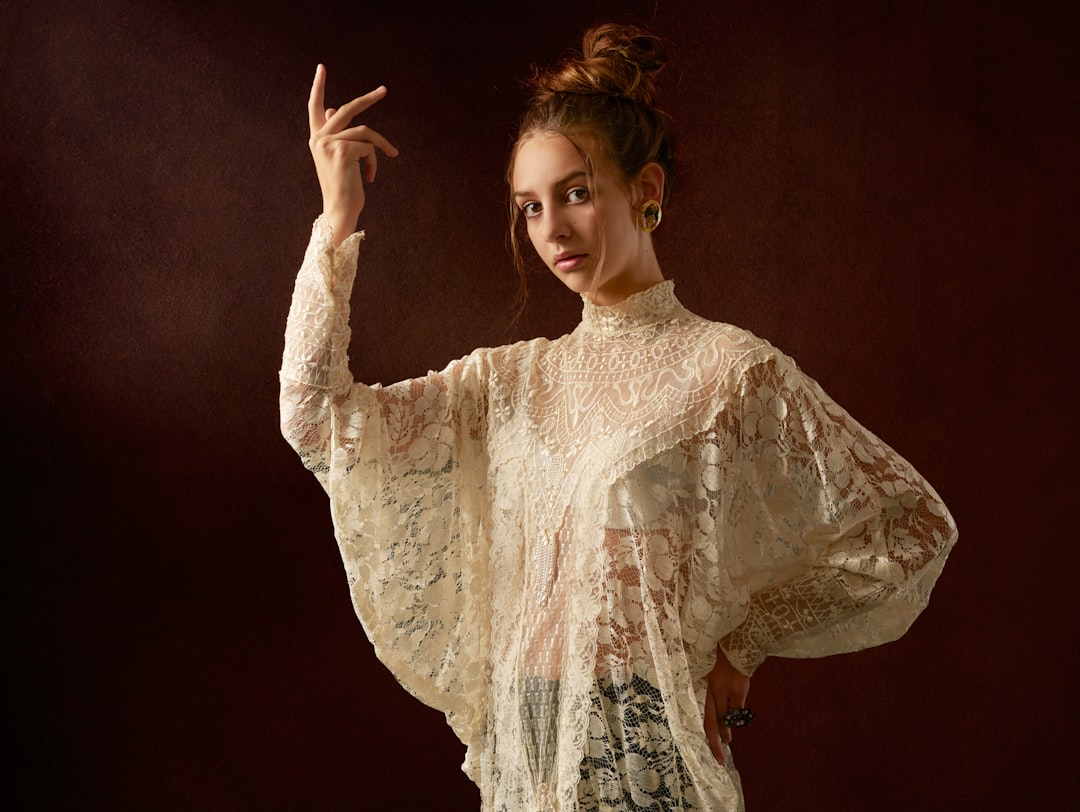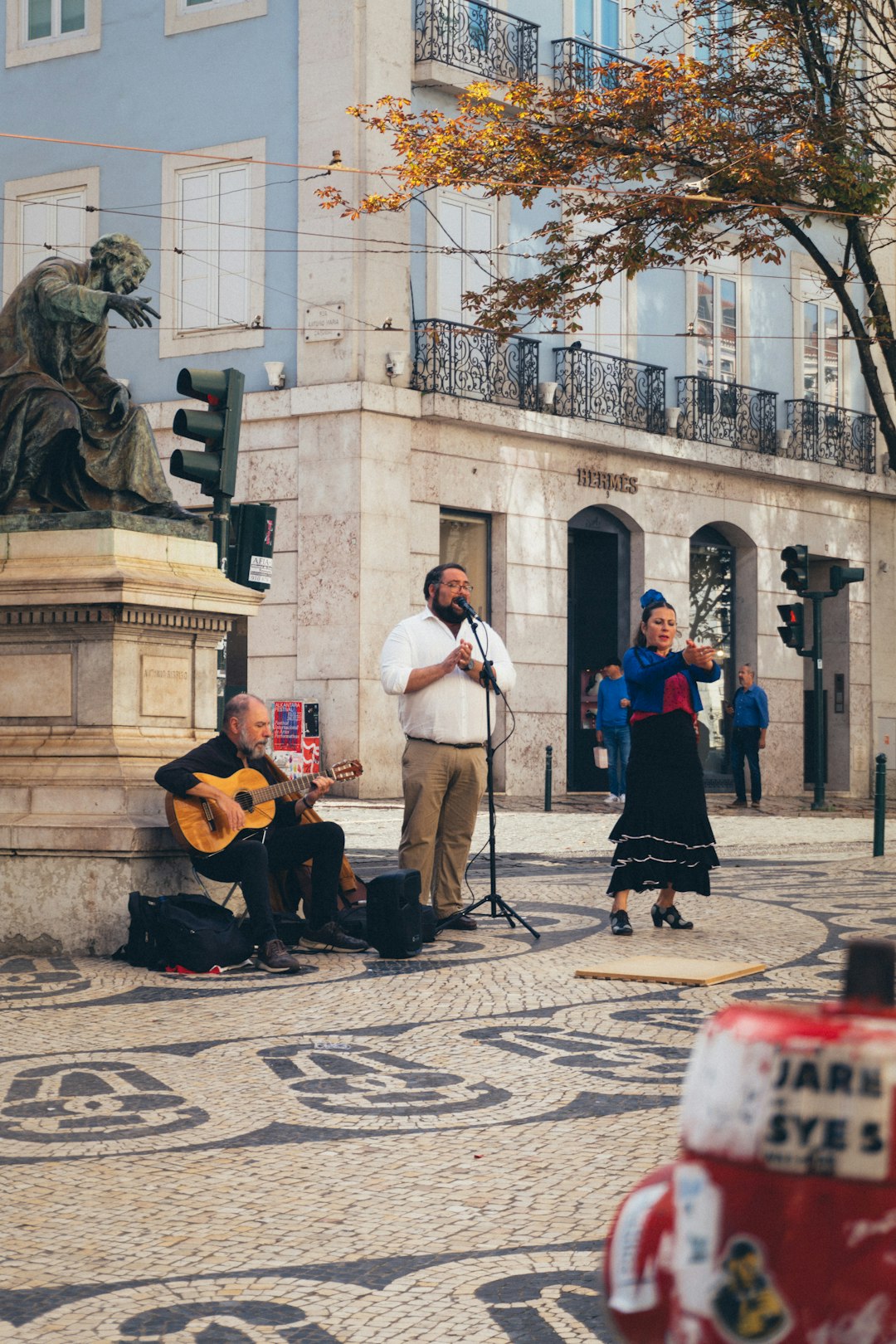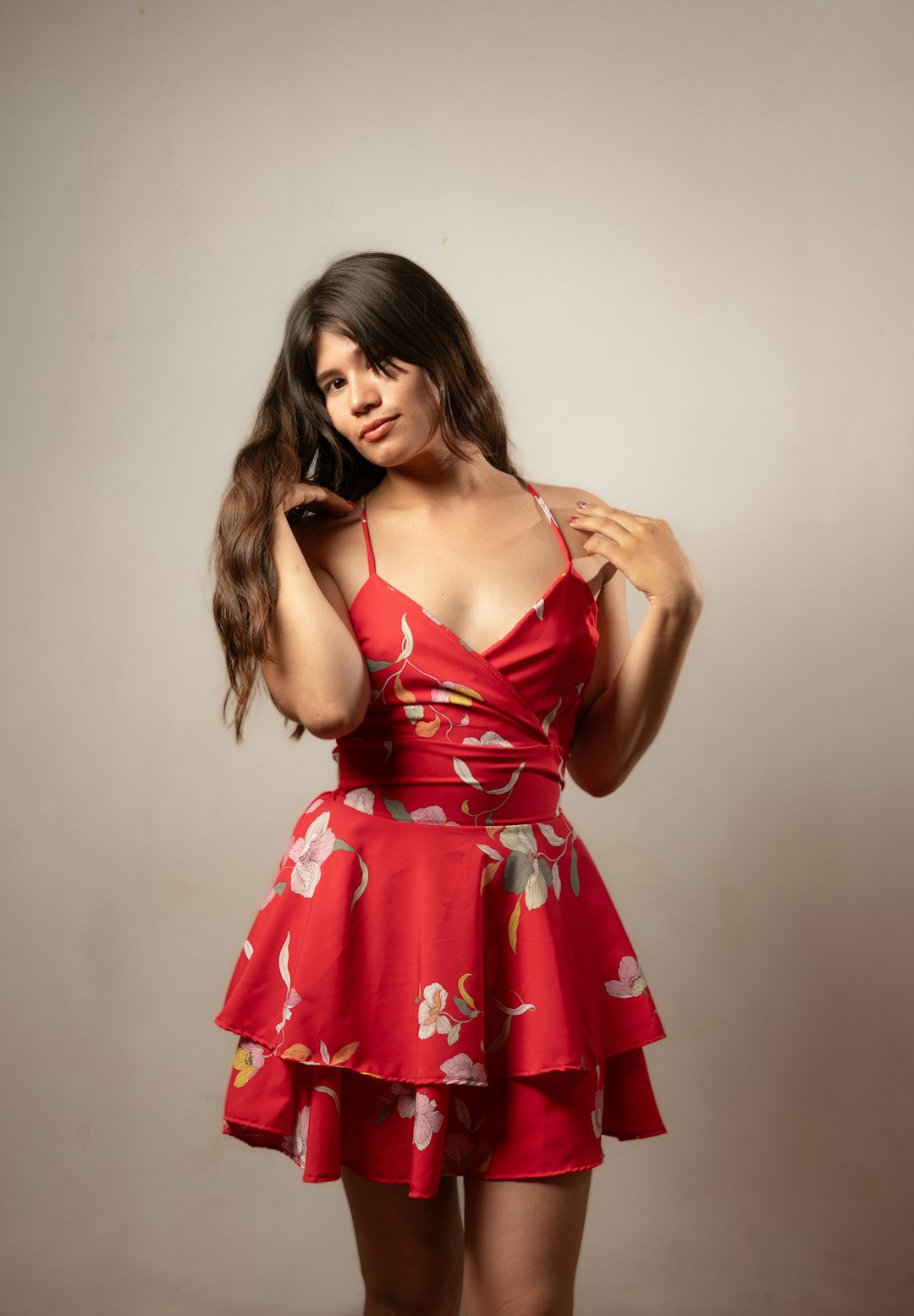
Your first Lindy Hop event approaches, and you're staring at your closet wondering if jeans will cut it. (They might, depending on the venue.) Or perhaps you've danced for months in workout clothes and want to embrace the scene's distinctive style. Lindy Hop fashion occupies a unique space: rooted in 1930s-40s aesthetics, adapted for athletic movement, and interpreted through individual expression. This guide bridges those priorities—helping you dress practically without sacrificing the joy of self-expression that defines swing culture.
1. Read the Room: Venue and Dress Codes
Before you start shopping, consider where you'll be dancing. The Lindy Hop ecosystem spans multiple environments, each with different expectations:
| Venue Type | Typical Dress Code | Notes |
|---|---|---|
| Weekly social dances | Casual to smart-casual | Jeans acceptable; many dancers change on-site |
| Workshop weekends | Practical, layered | Temperature fluctuates between classes and socials |
| Vintage-themed events | Period-influenced | Encouraged but rarely mandatory |
| Competitions | Performance-ready | Brighter colors, sharper silhouettes for visibility |
| Formal exchanges or galas | Dressy vintage or contemporary | Think "wedding guest" with swing flair |
When in doubt, check the event's social media for photos from previous years. Most communities welcome newcomers regardless of attire—showing up matters more than showing up in period dress.
2. Move Freely: Fabric, Fit, and Function
Lindy Hop is athletically demanding. A single dance might include deep knee bends, quick direction changes, spins, and—if you progress to that level—aerials. Your clothing must accommodate this without distraction.
Fabric Selection
Prioritize natural fibers with 2-5% spandex for recovery:
- Cotton blends – Breathable, widely available, easy to care for
- Linen-rayon combinations – Drape beautifully, resist wrinkling better than pure linen
- Dance-specific knits – Designed for moisture management and stretch
Avoid 100% polyester for tops—it traps heat during vigorous dancing. For bottoms, test range of motion before committing: squat fully with arms raised. If something pulls, rides up, or gaps, it will during a swingout.
Temperature Management
Dance venues vary dramatically. A drafty hall in January requires different strategy than a packed ballroom in July:
- Base layers – Moisture-wicking tanks or briefs for sweat management
- Mid-layers – Button-downs, cardigans, or light jackets that remove easily
- Accessories – Hair ties, sweatbands, or small towels for brow management
Many experienced dancers pack a complete second outfit for exchanges with multiple nights of dancing.
3. Style with Substance: From Swing Era to Today
The Lindy Hop community maintains an affectionate relationship with interwar and WWII-era fashion—not as strict costume requirement, but as living connection to the dance's origins. This doesn't mean historical accuracy; it means informed interpretation.
For Those Drawn to Vintage Aesthetics
| Garment | Why It Works | Modern Adaptations |
|---|---|---|
| High-waisted, wide-leg trousers | Allows deep knee bends; elongates line for spins | Stretch waistbands, hidden pockets |
| Full skirts with 2-3+ yard circumference | Creates visual drama in turns; accommodates movement | Bike shorts underneath for modesty |
| Fitted jackets with stretch panels | Sharp silhouette without restriction | Technical fabrics, articulated shoulders |
| Button-down shirts (any body) | Classic, versatile, easy to roll sleeves | Stretch weaves, moisture-wicking blends |
For Those Prioritizing Contemporary Comfort
Many dancers—particularly those who lead, follow, or switch roles—prefer modern athletic or casual wear:
- Joggers or harem pants in substantial fabrics (avoid thin, revealing materials)
- Leggings with tunics or longline tops that cover the hip area
- Technical dancewear from brands like Balera, Sansha, or Capezio
The key is intentionality. Clean lines, thoughtful color coordination, and attention to fit signal respect for the dance and community regardless of era reference.
4. The Shoe Question: Your Most Important Investment
Footwear demands its own section. Street shoes damage dance floors; dance shoes protect your body. Here's what experienced dancers know:
Sole Materials
| Type | Best For | Considerations |
|---|---|---|
| Chrome leather (suede) | Most swing venues | Ideal controlled slide; requires occasional brushing |
| Hard leather | Very fast floors, competitions | Less grip, more speed |
| Rubber | Beginners, outdoor dancing | Too sticky for proper technique on wood floors |
Heel Height
- **