The accordion strikes up, the guacharaca rasps, and suddenly the dance floor erupts in a swirl of ruffled skirts and polished boots. Whether you're heading to your first noche de cumbia or looking to elevate your social dancing wardrobe, what you wear matters—both for moving comfortably and for honoring the rich cultural heritage behind Colombia's most beloved dance.
This guide goes beyond generic dance advice to help you dress with practical confidence and cultural awareness.
Understanding Cumbia's Visual Language
Cumbia originated as a courtship dance among Colombia's Caribbean coastal communities, and its traditional attire reflects that history. Women historically wore flowing polleras—voluminous skirts with cascading ruffles that accentuate the dance's characteristic hip movements. Men donned crisp white shirts and the iconic sombrero vueltiao, a woven hat now recognized as a national symbol.
Today's social Cumbia adapts these elements for modern dance floors. You won't need full traditional dress (save that for folkloric performances), but understanding these roots helps you choose attire that moves authentically and shows respect for the culture.
Footwear: The Foundation of Every Step
Cumbia's footwork involves quick shuffles, pivots, and sliding steps—your shoes can make or break your night.
For women: Choose low-heeled sandals or dance shoes with 1.5–2 inch heels and secure ankle straps. Avoid stilettos; the narrow base destabilizes you during Cumbia's characteristic sliding movements. Leather or suede soles allow smooth pivots on wooden floors.
For men: Leather-soled dress shoes or traditional alpargatas (canvas slip-ons with rope soles) provide the right balance of grip and glide. Rubber soles stick excessively and strain your knees during turns.
Universal rule: Break in new shoes before the event. Blisters have ended many promising dance nights.
Choose Fabrics That Work as Hard as You Do
Cumbia is genuinely athletic—expect elevated heart rates and perspiration. Prioritize natural, breathable fabrics like cotton, linen, or moisture-wicking blends.
Temperature management strategy: Cumbia happens everywhere from outdoor ferias to air-conditioned ballrooms. Layer intelligently with a lightweight, removable jacket or shawl that won't crush your outfit when tied around your waist. Avoid heavy fabrics that trap heat; even in cooler venues, you'll warm up within your first few songs.
Color and Pattern: Wear the Dance's Energy
While "bright colors" applies to many Latin dances, Cumbia carries specific associations. Traditional polleras feature vibrant yellows, reds, and blues—colors that pop under dance floor lights and reflect the genre's joyful spirit.
Contemporary Cumbia scenes vary: Colombian social dancing often embraces these traditional palettes, while Mexican Cumbia Sonidera nights trend toward flashier, urban aesthetics (metallics, bold graphics), and Argentine Cumbia Villera events accommodate casual streetwear. When uncertain, observe photos from your specific venue or ask local dancers.
Silhouettes That Move With You
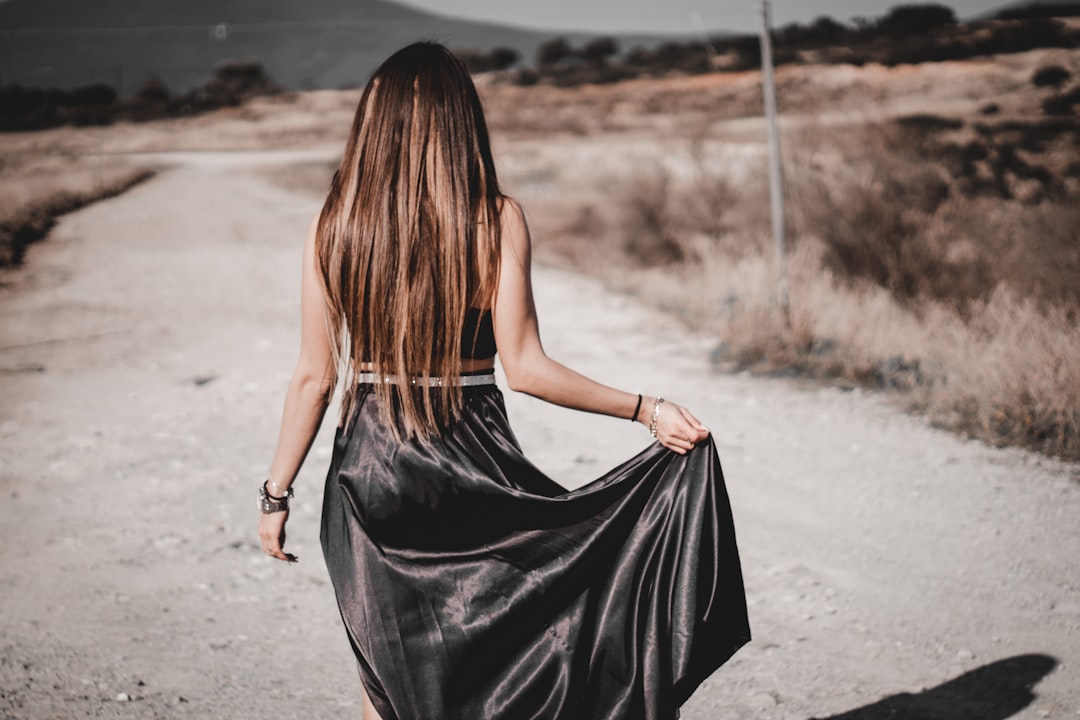
For women: Embrace the pollera influence with skirts that flare from the hips—A-line cuts, circle skirts, or tiered ruffles all amplify Cumbia's signature hip action. Fitted tops balance volume below. Avoid pencil skirts or tight dresses that restrict the lateral hip movement essential to the style.
For men: Straight-leg trousers and fitted (but not tight) shirts allow free arm and shoulder movement. The traditional guayabera—a pleated, embroidered shirt—transitions beautifully from cultural respect to dance floor functionality.
Universal fit: Garments should stay put without constant adjustment. Test your outfit with actual Cumbia movements before the event.
Cultural Context: Dressing Respectfully
Cumbia communities often span generations, with family members dancing together. This social fabric calls for coverage that prioritizes movement over exposure.
Aim for mid-thigh shorts or longer hemlines, and avoid bare midriffs or plunging necklines. Your confidence should come from how well you dance and how thoughtfully you've dressed, not from minimal fabric.
Adapt to Your Specific Venue
Research your destination. A formal salón de baile in Bogotá expects different attire than a patio party in Los Angeles or a festival stage in Monterrey. Check event photos, read dress code descriptions, or contact organizers directly.
When in doubt, slightly elevated casual beats underdressed—Cumbia culture values presentación (presenting yourself well).
Accessorize With Intention
Select accessories that enhance rather than hinder:
- Hair: Secure styles that survive vigorous head movements; decorative combs or flowers nod to tradition