When María Fernanda González steps onto the dance floor at a sonidero in Mexico City, she transforms. Her platform shoes click against the concrete, a sequined skirt catches the strobe lights, and gold hoops swing in time with the bass. Three thousand miles south, in a Buenos Aires community center, Diego Martínez practices zapateo footwork in worn running shoes and a football jersey. Both are Cumbia dancers. Both are dressed exactly right.
This is the beautiful complexity of Cumbia fashion: there is no single "correct" outfit, only choices rooted in history, geography, and personal expression. Whether you're preparing for your first Cumbia class, planning festival attire, or building a performance wardrobe, understanding these sartorial codes will help you move with confidence and cultural awareness.
The Living History Behind Cumbia Style
Cumbia's visual language emerged from Colombia's Caribbean coast, where enslaved Africans, Indigenous communities, and Spanish colonizers blended their traditions into something entirely new. The dance's distinctive zapateo footwork and flowing skirt movements weren't just artistic choices—they were acts of cultural preservation and adaptation.
The pollera, the layered skirt synonymous with traditional Cumbia, evolved from Spanish colonial dress but was reimagined through Afro-Colombian and Indigenous aesthetics. The sombrero vueltiao, now a national symbol, originated with Zenú weavers who encoded their cosmology into its black-and-white patterns. When you dress for Cumbia, you participate in this centuries-old conversation.
Today, Cumbia spans continents and scenes, each with its own fashion dialect. Colombian social dancers prioritize elegance and breathability. Mexican sonidera culture embraces urban glamour and bold self-presentation. Argentine cumbia villera reflects working-class authenticity and athletic functionality. Your first decision isn't what to wear—it's which Cumbia you're dancing.
Cumbia Styles Decoded: Four Ways to Dress
| Setting | Women's Wear | Men's Wear | Essential Details |
|---|---|---|---|
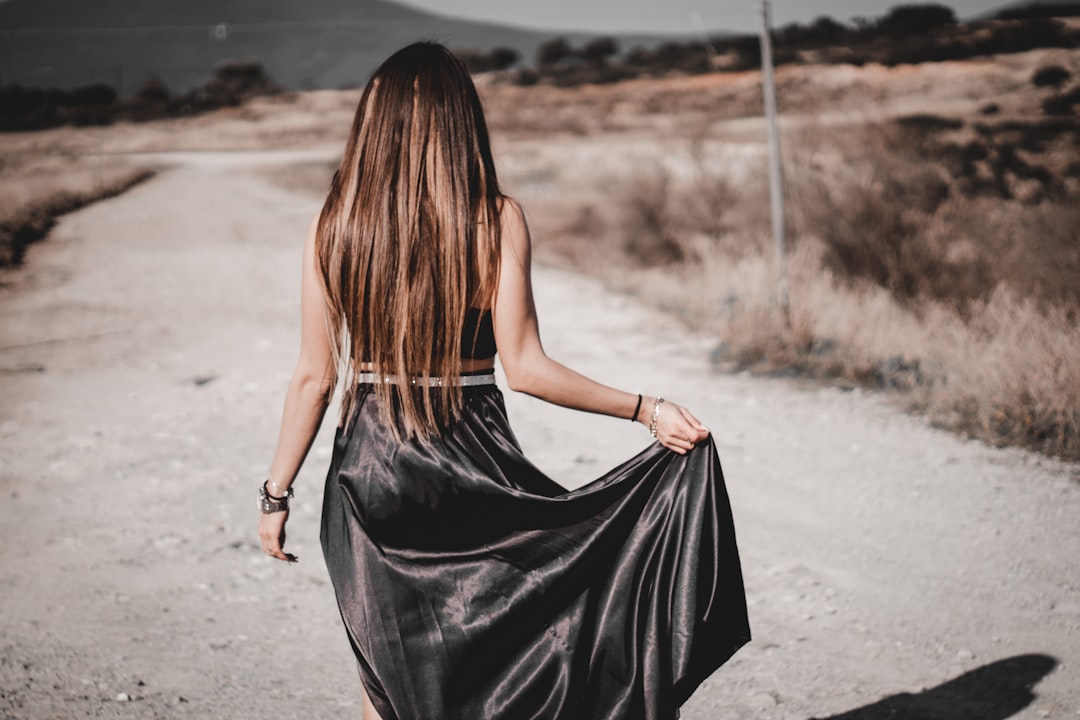
| Traditional/Performance | Pollera (layered skirt), off-shoulder blusa, flowers in hair | White guayabera, sombrero vueltiao, mochila bag | Skirt length affects spin visibility; natural fabrics essential for outdoor performances |
| Social Dancing (Colombian) | Flowing midi skirts, fitted breathable tops, low heels | Lightweight linen or cotton button-downs, dress pants, leather-soled shoes | Temperature regulation priority; venues range from open-air plazas to air-conditioned studios |
| Cumbia Sonidera (Mexican) | Bold prints, platform shoes, dramatic makeup and accessories | Graphic tees, cowboy boots, gold chains, fitted caps | Urban/streetwear fusion; statement pieces encouraged |
| Cumbia Villera (Argentine) | Casual athletic wear, sneakers, minimal jewelry | Tracksuits, football jerseys, running shoes | Working-class aesthetic; comfort and mobility paramount |
Fabric and Function: Dancing Without Distraction
Cumbia is high-energy movement. A single song can elevate your heart rate significantly, and social dancing often means hours on your feet. Your fabric choices directly impact your endurance and enjoyment.
Prioritize these materials:
- Cotton and linen: Natural breathability for tropical climates and heated venues
- Moisture-wicking synthetics: Modern athletic blends for cumbia villera or intensive classes
- Silk and rayon: Luxurious drape for performance polleras that must flow and spin
Avoid these pitfalls:
- 100% polyester without ventilation (traps heat and odor)
- Stiff denim that restricts hip movement
- Anything requiring constant adjustment
For women wearing skirts, consider built-in shorts or calzones—traditional undershorts that prevent wardrobe malfunctions during spins and dips. Men in humid climates should pack a spare shirt; confidence evaporates when you're visibly soaked through.
Footwear: The Foundation of Every Step
Your shoes determine your connection to the floor and your ability to execute Cumbia's characteristic slides and rapid footwork. Generic advice won't suffice here—specificity matters.
For Colombian-Style Social Dancing
Women: Character shoes or Cuban heels with 1.5–2 inch heels provide controlled slides without ankle strain. Brands like Capezio, Very Fine, and Colombian-made zapatos de baile from Cali manufacturers offer reliable options. Avoid stilettos—they sink into outdoor surfaces and destabilize turns.
Men: Leather-soled oxfords or specialized dance shoes allow the smooth gliding motion essential to zapateo. Rubber soles grip too aggressively; suede bottoms wear too quickly for regular social