Cumbia's clothing conventions vary dramatically by setting. A Mexico City salón differs from a Barranquilla street festival, which differs again from a Buenos Aires milonga that incorporates Cumbia. This guide focuses primarily on social dancing contexts—clubs, parties, and community events—with notes on adaptations for performance and folkloric settings.
The Foundation: Movement and Comfort
Do: Prioritize Freedom of Movement
Cumbia involves continuous hip action, quick footwork, and generous arm styling. Your clothing must accommodate this without restriction.
- Tops: Choose fitted-but-not-tight shirts that stay put when you raise your arms; avoid overly loose fabric that billows into your partner's space
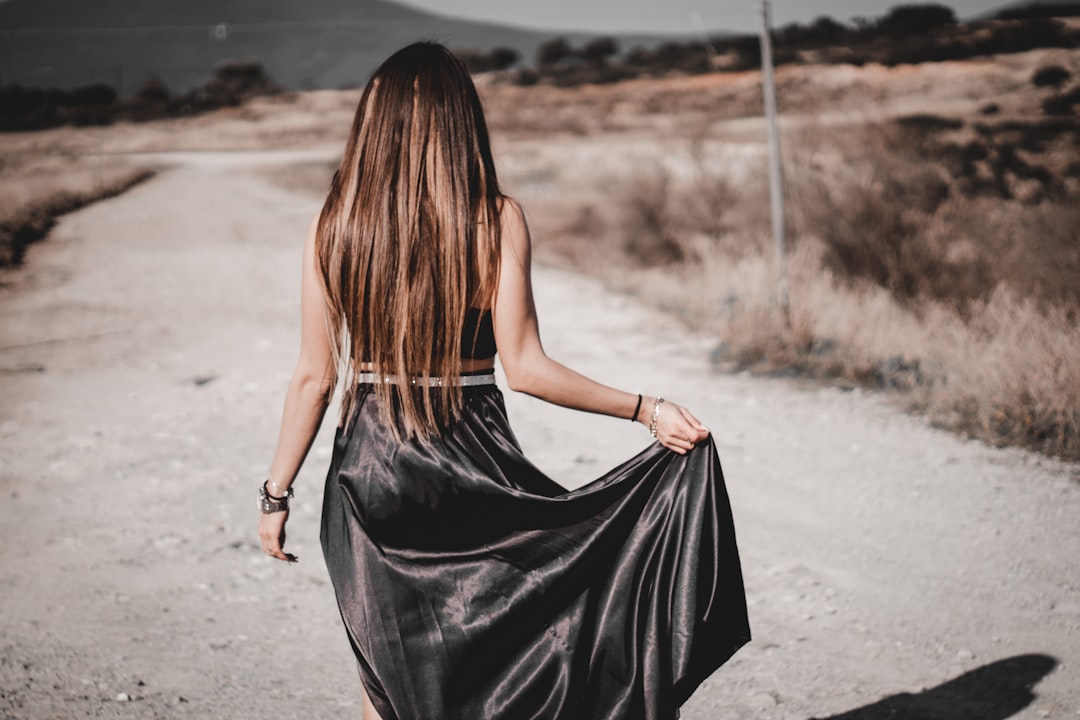
- Bottoms: For women, A-line or circle skirts with some volume showcase the dance's characteristic swish; for men, trousers with a slight break at the ankle allow clean foot visibility
- Fabrics: Cotton, linen, or moisture-wicking blends breathe through 90-minute dance sessions
Don't: Wear Anything That Fights Your Body
Rubber-soled shoes grip excessively and strain your knees during Cumbia's sliding steps. Denim restricts the hip sways essential to the style. Heavy jewelry becomes a liability during partner turns.
Honoring the Dance's Visual Tradition
Do: Understand What You're Wearing
Cumbia's swirling skirts aren't merely decorative—they create the dance's signature centrifugal movement. Women might consider a full, knee-length or longer skirt with some volume; men might incorporate a guayabera or embroidered shirt referencing the vueltiao patterns of Colombia's Caribbean coast. Modern interpretations work beautifully, but understanding the tradition enriches your dancing.
Regional color notes:
- Colombian coastal: White dominates, often with red accents and floral accessories
- Mexican Cumbia Sonidera: Neon, metallics, and bold prints reflect the nightclub scene
- Argentine Cumbia: Darker, urban aesthetics with streetwear influences
- Peruvian Cumbia (Chicha): Psychedelic patterns and vintage athletic wear
Don't: Assume One Color Rule Applies Everywhere
Traditional Colombian Cumbia frequently incorporates black as a base with vibrant embroidery. Argentine Cumbia often embraces dark palettes entirely. Rather than avoiding dark colors universally, research your specific event or venue. When uncertain, vibrant colors generally signal the dance's celebratory spirit.
Footwear: The Make-or-Break Choice
Do: Select Shoes for Controlled Sliding
Cumbia technique requires specific friction properties. Leather-soled or suede-bottomed shoes allow controlled sliding on wooden floors. For women, low heels (1.5–2 inches) support the dance's subtle forward-and-back weight shifts; flats work equally well with practice. Men should avoid rubber-soled dress shoes that catch and jerk.
Budget tip: Apply suede patches to existing leather-soled shoes, or use dance socks over street shoes on sticky floors.
Don't: Risk Injury or Floor Damage
Street shoes with debris scratch dance floors. Platforms alter your center of gravity dangerously during spins. Brand-new shoes without broken-in soles blister within twenty minutes.
Accessories and Practical Details
Do: Secure Everything That Dangles
Earrings, necklaces, and loose bracelets can injure partners or tangle during close turns. If you wear accessories, choose:
- Stud or small hoop earrings
- Necklaces that sit at collarbone length or higher
- Wrist accessories only if they lie flat and snug
Don't: Neglect Layering Strategy
Many Cumbia events begin with lessons in air-conditioned rooms, then shift to high-energy social dancing. A light, removable layer prevents the common mistake of starting comfortable and ending soaked.
Context-Specific Guidance
| Setting | Adjustments |
|---|---|
| Beach festival | Permits more skin, demands sand-friendly footwear, favors breathable natural fabrics |
| Formal baile or traditional hall | Err toward coverage; research whether folkloric dress is expected or welcomed |
| Nightclub or salón | Prioritize sweat management; darker colors hide moisture |
| Performance or competition | Consult specific costume requirements; traditional pieces may be mandatory |
Gender-Specific Considerations
For women: The traditional pollera colorá—a ruffled, vividly colored skirt—remains iconic but isn't required for social dancing. Modern equivalents include tiered midi skirts or wide-leg palazzo pants that achieve similar movement visibility.
For men: The guayabera or embroidered camp shirt honors tradition without costume-like intensity. In contemporary settings, a well-fitted button-down with rolled sleeves suffices.
Unisex options: Tailored vests, embroidered jackets, and statement belts work across presentations