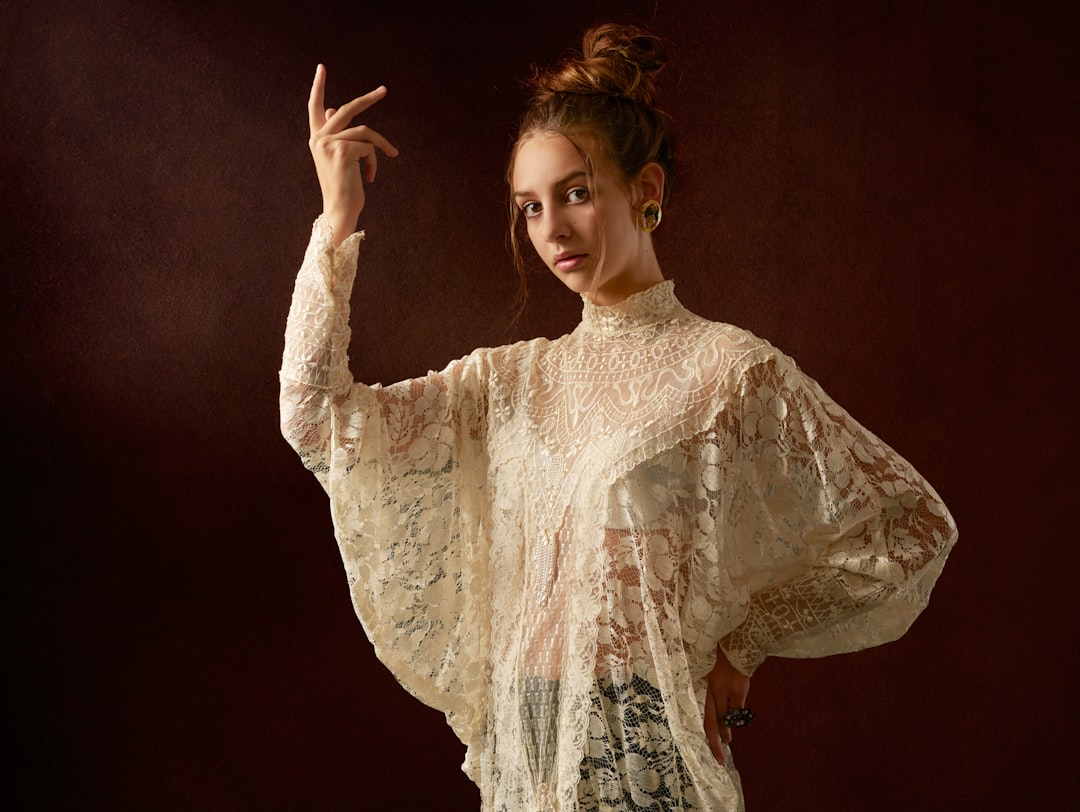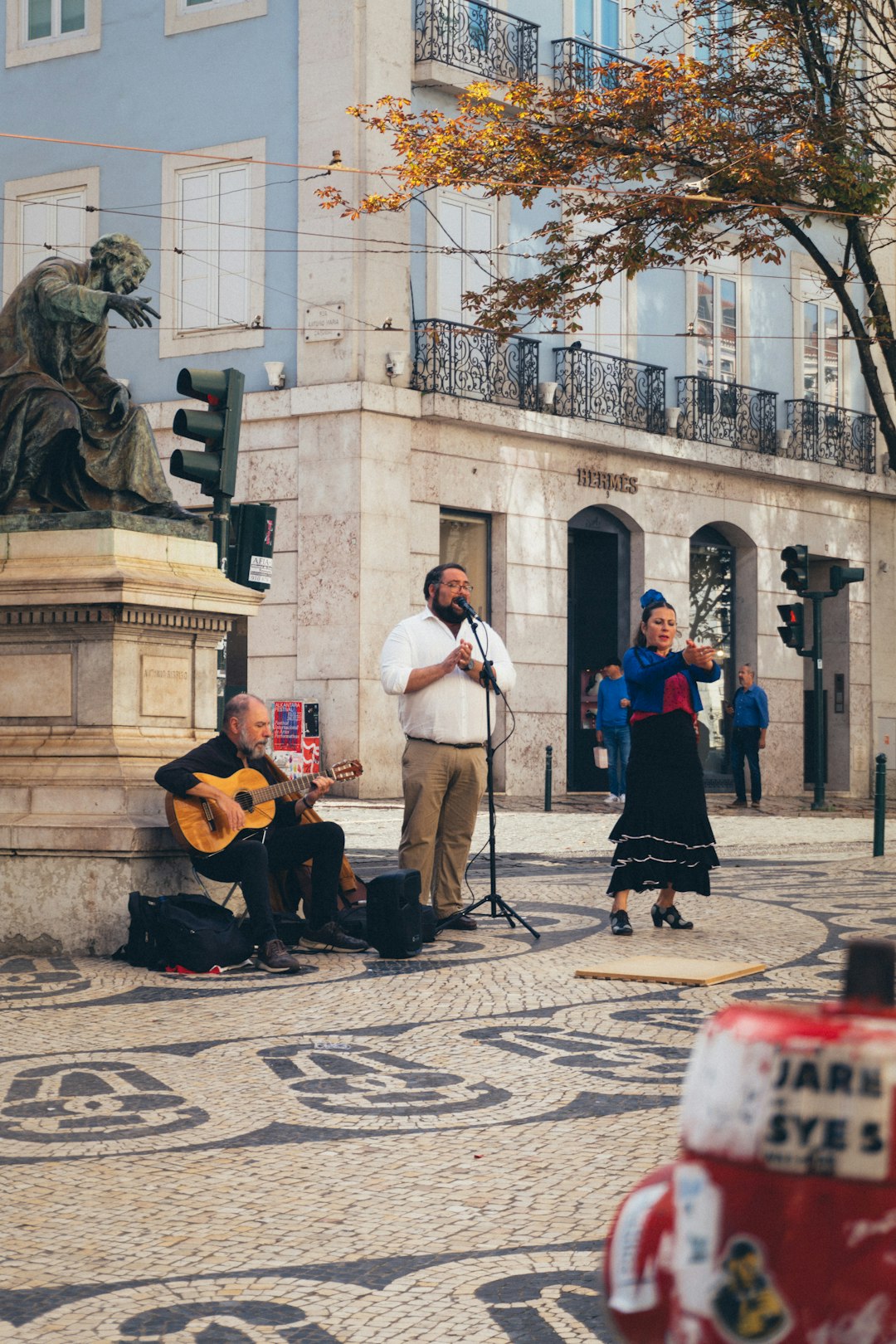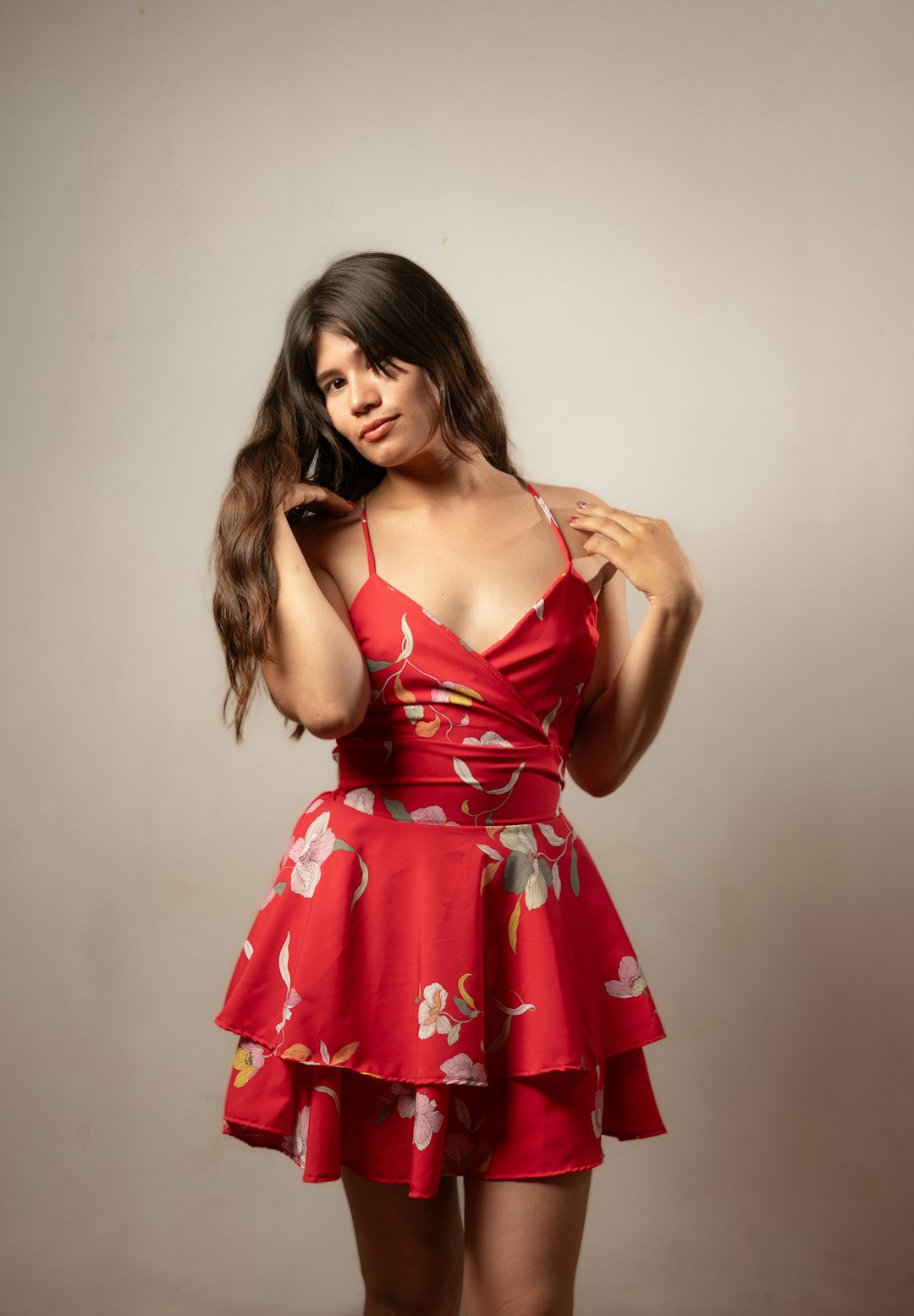
Lindy Hop demands more from your wardrobe than most social dances. A single song can include 300+ beats per minute, partnered spins that test your balance, and improvised movements that range from crouched to airborne. Your clothing isn't just aesthetic—it's equipment. Whether you're heading to your first beginner lesson or packing for an international swing festival, here's how to build an attire strategy that keeps you comfortable, safe, and appropriately dressed for any Lindy event.
Prioritize Movement and Breathability
When you're executing Charleston kicks, swingouts, and aerials, restrictive clothing becomes a liability. Experienced dancers prioritize fabrics and cuts that move with the body rather than against it.
Tops: Look for moisture-wicking performance fabrics or lightweight natural fibers like bamboo, linen, or Tencel. Avoid 100% cotton for all-day events—it saturates with sweat and stays clammy against your skin. Many dancers layer a breathable tank or base layer under a button-up or vintage-style blouse for temperature control.
Bottoms: Follows frequently choose A-line skirts with built-in shorts (often called "skorts") or high-waisted trousers with stretch. Leaders typically need pants with enough thigh room for deep lunges and wide-legged Charleston. If you prefer dresses, ensure they're short enough to clear your knees when you kick, or opt for a fit-and-flare cut that won't tangle around your legs.
The 30-Second Test: Before any event, put on your complete outfit and perform 30 seconds of jumping jacks followed by a rapid spin. If anything rides up, falls down, gaps, or restricts your knee lift, revise your choices.
Dress for Your Event Type
Not all Lindy Hop gatherings have the same dress code or physical demands. Match your attire to the occasion:
| Event Type | Typical Attire | Key Considerations |
|---|---|---|
| Weekly social dance | Casual to smart-casual | Comfort paramount; bring a change of shirt for sweaty nights |
| Weekend workshop | Athletic to casual | Multiple outfit changes needed; prioritize quick-dry fabrics |
| Outdoor festival | Weather-adaptive layers | Sun protection, dust management, and temperature swings |
| Competition or performance | Polished vintage to formal | Higher heels acceptable; invest in statement pieces |
| Balboa or blues fusion night | Slightly dressier | Closer embrace dances favor smoother fabrics without hardware |
For workshops and festivals, pack at least one outfit change per day. Dancing for six hours straight will saturate any garment, and fresh clothing prevents skin irritation and maintains partner comfort.
Choose Shoes Like Your Safety Depends on It—Because It Does
Your footwear is the most critical equipment decision you'll make. Poor shoe choices cause ankle rolls, knee strain, and falls that can end your dancing for months.
The Ideal Lindy Hop Shoe:
- Sole: Leather or hard rubber that allows controlled sliding on wood floors. Avoid aggressive rubber treads that grip too much, causing knee torque during pivots.
- Heel height: 0.5–1.5 inches for follows; flat or 0.5 inch for leaders. Higher heels shift weight forward and compromise balance during fast tempos.
- Construction: Secure ankle support without rubbing; closed toe to protect against stepped-on feet; laces or straps that won't come undone mid-dance.
Proven Options:
- Budget-friendly: Keds Champions with suede soles added by a cobbler ($40–60 total)
- Mid-range: Aris Allen dance shoes, Saint Savoy, or Slide & Swing
- Investment: Remix Vintage Shoes, Royal Vintage, or custom-fitted options from dancers like Carla LaRue
Critical rule: Break in new shoes at home with at least two hours of wear. Never wear brand-new footwear to a full night of dancing.
Consider Your Partner
Lindy Hop is fundamentally a partnered activity. Your attire choices directly affect someone else's physical safety and enjoyment.
Avoid:
- Exposed zippers, grommets, or hardware on backs and shoulders (they scratch during close embrace)
- Sequins, beads, or embellishments that catch on partners' clothing
- Dangly earrings or necklaces that can whip faces during turns
- Heavy belts with large buckles that dig into connected hands
- Strong perfumes or colognes that become overwhelming in close proximity
Favor:
- Smooth, flat seams where partners place hands
- Secure, close-fitting jewelry or none at all
- Clean, well-groomed personal hygiene as part of your "attire"
Master Temperature and Layering
Dance venues range from overheated ballrooms to underheated church basements. Your comfort strategy must adapt.
Base layer: Moisture-wicking tank or tee that can stand alone if you overheat Mid layer: Button-up shirt, cardigan, or light