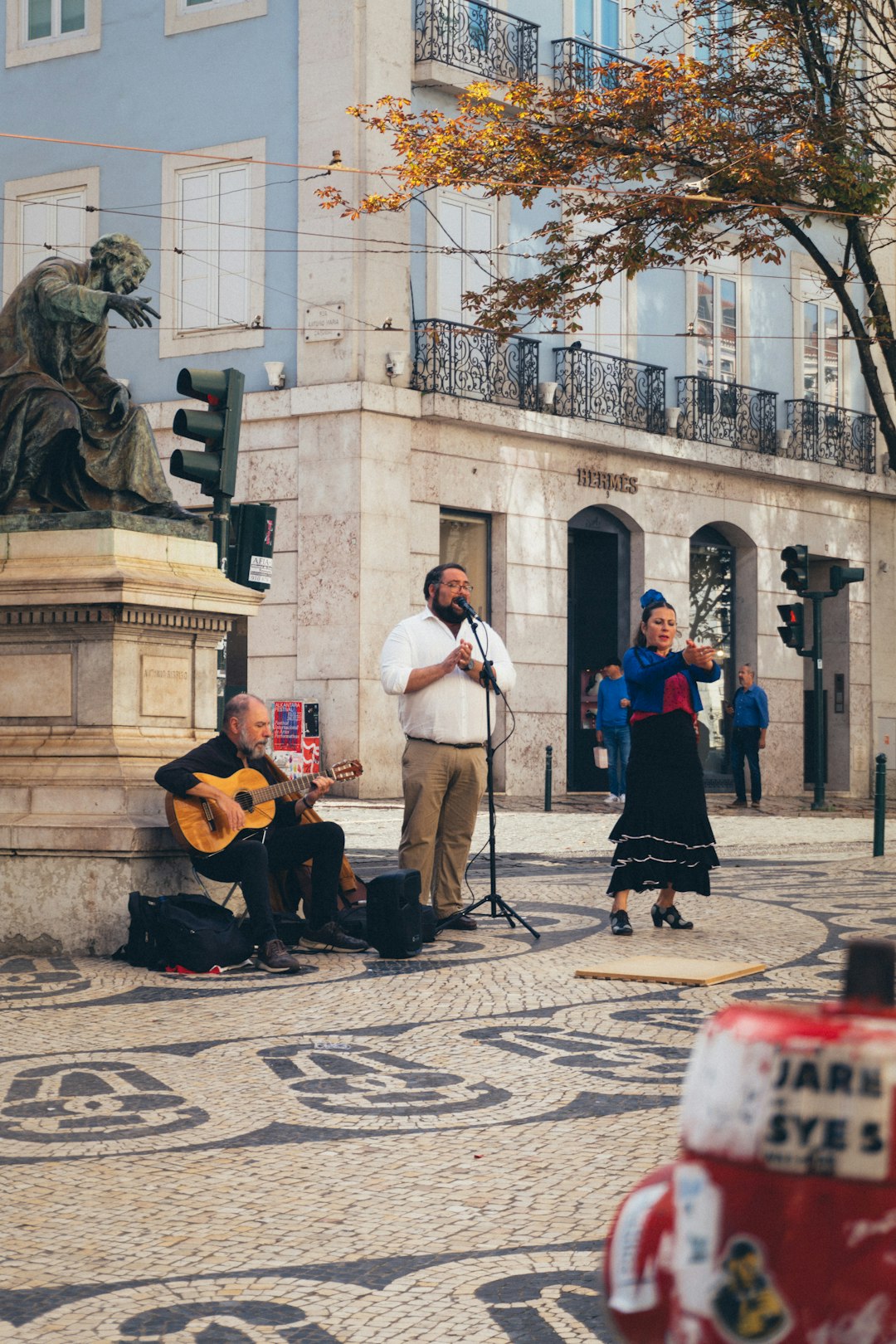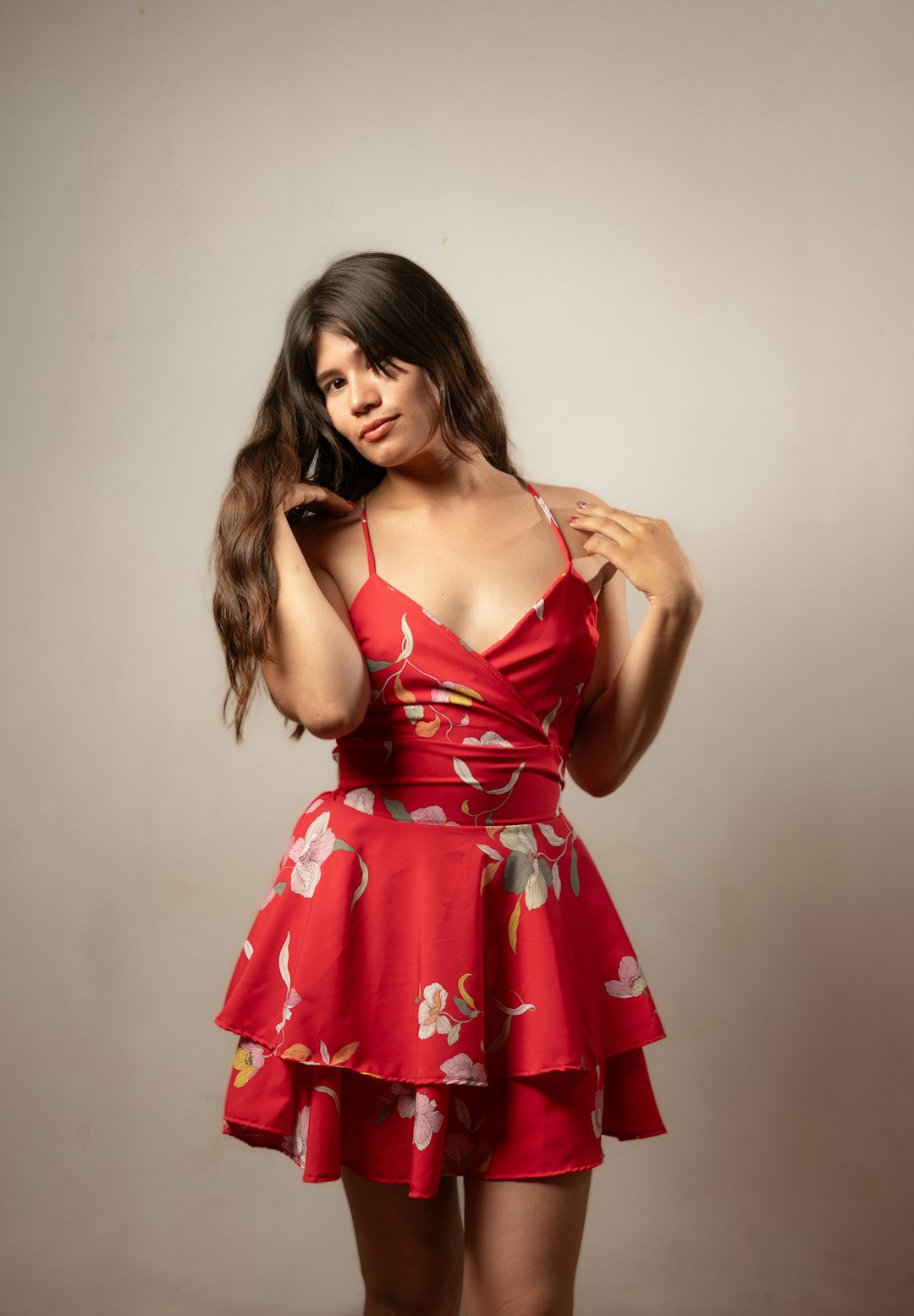
Your first Lindy Hop social will likely involve ninety minutes of continuous movement in a room heated by thirty other enthusiastic dancers. What you wear determines whether you'll leave exhilarated or miserable. After fifteen years in the international swing scene—from basement clubs in Seoul to historic ballrooms in Harlem—here's what actually works.
The Non-Negotiables: Safety and Hygiene First
Before aesthetics, protect yourself and your partners.
Avoid these hazards:
- Long necklaces and dangly earrings: They whip follow's faces during turns and can catch on clothing
- Rings on connected hands: They bruise partners; remove them or wear silicone covers
- Belt buckles that protrude: They dig during close embrace; choose flat or side-fastening styles
- Strong fragrances: Scent-free deodorant only—many dancers have sensitivities in heated, crowded spaces
Pack for endurance:
- Two to three shirt changes for all-day events
- A small towel for face and neck
- Travel-size deodorant
Footwear: Your Most Important Investment
Poor shoe choice causes injury. Great shoes disappear, letting you focus on the music.
Sole materials matter:
- Leather or hard rubber: Allows controlled slides essential for Lindy Hop's swivels and slides
- Suede-bottomed dance shoes: The gold standard for controlled glide on wood floors
- Avoid rubber sneakers: They grip excessively, forcing torque through knees and ankles
Heel height by role:
- Follows: 1.5–2 inch character shoes or dance sandals provide stability for kicks and aerial preparation
- Leads: Flat dance sneakers or vintage-style oxfords with suede soles allow grounded movement
The breaking-in rule: Never wear new shoes to a full night of dancing. Wear them at home, then to one practice, then commit to a social dance.
Building Your Base Wardrobe
Focus on garments that survive repeated washing and three-hour sweat sessions.
Tops: Moisture Management
Cotton absorbs 7% of its weight in moisture and stays wet. Modern performance blends—look for moisture-wicking synthetics or merino wool blends—pull sweat away from skin and dry between dances.
Construction details:
- Flatlock seams prevent chafing during repeated Charleston kicks
- Fitted cuts that won't ride up during turns
- Length that stays tucked or intentionally cropped for high-waisted bottoms
Bottoms: Freedom of Movement
For all bodies:
- Knee-length A-line skirts with attached shorts or separate dance shorts underneath
- High-waisted trousers with minimum 5% stretch content (elastane or spandex)
- Wide-leg palazzo pants in breathable crepe or rayon for dramatic movement without restriction
Skirt physics: A full circle skirt with proper petticoat structure moves beautifully; costume-quality polyester versions trap heat and cling. Test: can you lift your knee to hip height without resistance?
Temperature Regulation
Dance halls range from sweltering to over-air-conditioned. Master layering:
- Base layer: Moisture-wicking short sleeves
- Mid layer: Light cardigan or button-up that removes easily
- Emergency layer: Compact wrap for drafty studios
Style and Authenticity: Vintage Inspiration, Practical Adaptation
Lindy Hop carries 1930s–40s Harlem roots, but modern social dances have evolved. Vintage accuracy matters less to most scenes than movement functionality.
Historical context, modern application:
| Vintage Element | Modern Adaptation | Caveat |
|---|---|---|
| Fedoras | Smaller-brimmed hats or hair flowers | Crowded floors make wide brims hazardous—consider sightlines |
| Seamed stockings | Sheer dance tights or bare legs | Avoid garters that restrict movement |
| Suspenders | Elastic-back versions or skip entirely | Traditional suspenders require precise trouser fit; belts often suffice |
| Victory rolls | Sweat-friendly pinned styles or functional short cuts | Elaborate styles may not survive hour three |
The authenticity test: Does your outfit honor the spirit of the dance—joyful, democratic, built for athletic movement—without restricting participation?
What to Avoid: Common Beginner Mistakes
- Spiked heels: Unstable for Lindy Hop's lateral movement; save for Balboa or blues dances
- Restrictive belts: They limit torso rotation essential for connection
- Slippery fabrics: Satin and silk become dangerous when damp with sweat
- Backless shoes: They fly off during kicks and Charleston; secure ankle straps required
Final Thoughts
The best-dressed Lindy Hopper in the room is the one still smiling at 2 AM. Start with function—breathable fabrics, proper footwear, partner-safe