The Song That Changed Everything
I was three months into belly dance classes when my teacher played a track that stopped me mid-shimmy. It wasn't the usual Egyptian pop I'd grown accustomed to — it was a raw, crackling oud recording from the 1940s, and something about it unlocked a movement vocabulary I didn't know I had. That moment taught me what every experienced dancer eventually discovers: the music you dance to shapes everything.
Not just your timing. Your expression. Your confidence. The way you hold your hands.
The Traditional Backbone
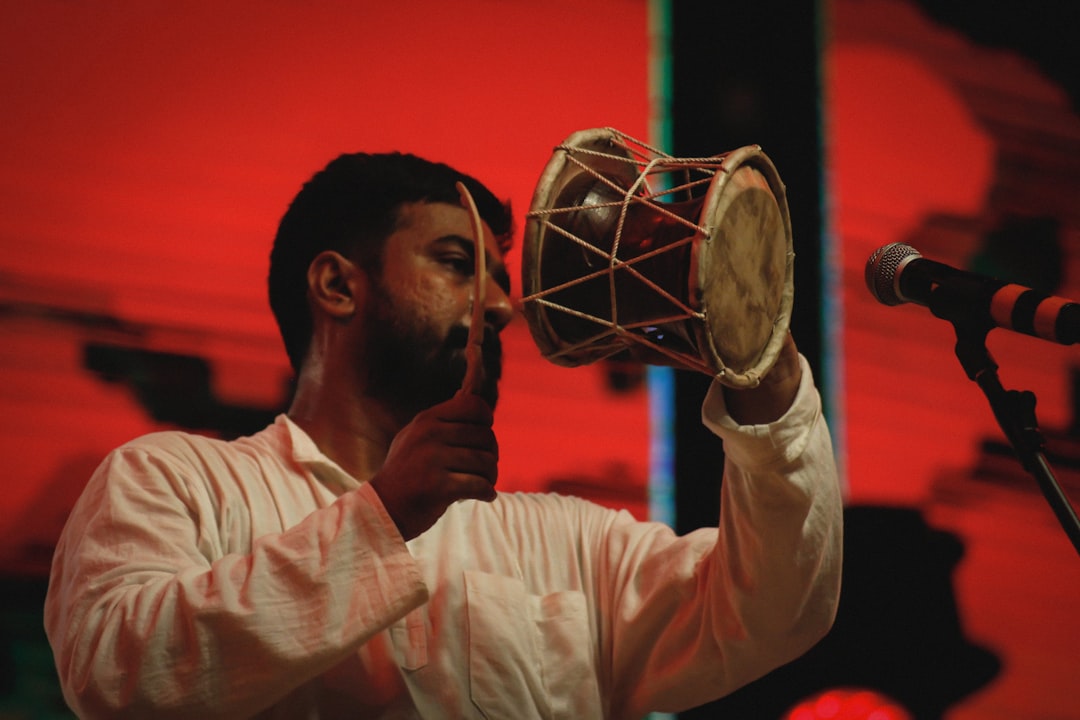
Middle Eastern music isn't background noise for belly dance — it's the architecture. The darbuka doesn't just keep time; it tells your hips when to accent and when to melt. The qanun's cascading notes practically sketch figure-eights in the air. And that mournful nay flute? It's asking for slow, liquid arms and a stillness that holds the audience breathless.
Rai came out of Algeria with a rebel spirit — passionate melodies wrapped around lyrics about real life, not fairy tales. Egyptian Mizmar music hits differently: fast, raw, built for the kind of energy that makes a dancer's veil look alive. Then there's Sufi music, repetitive and trance-inducing, the kind that makes you forget anyone's watching.
When Pop Crashed the Party
Somewhere along the way, Amr Diab figured out how to make a synthesizer and an oud shake hands. Arabic pop exploded, and belly dancers suddenly had access to music with Western song structures wrapped in Middle Eastern melodies. Nancy Ajram, Elissa, Hussain Al Jassmi — their tracks are choreography gold because they give you predictable verse-chorus patterns without sacrificing the rhythmic complexity dancers crave.
But the real wild cards? Fusion artists. Bands blending jazz chords with maqam scales, producers layering electronic beats under traditional rhythms. If you've only danced to classic orchestral pieces, this stuff will crack your style wide open.
Turkey and Greece Want a Word
Turkish belly dance music operates on a different wavelength — literally. The makam system creates melodic tensions and resolutions that don't exist in Western scales, and when a saz player starts weaving through those intervals, your body responds in ways practice alone can't explain. Add a davul drum pounding underneath, and you've got something primal.
Greek rebetiko deserves its own spotlight. Born in hardship, dripping with emotion, driven by that unmistakable bouzouki twang — it's blues music in a different language. Dancing to rebetiko teaches you something no technical drill can: how to feel the music in your chest before it reaches your feet.
The Electronic Frontier
Hossam Ramzy understood something decades ago — traditional Middle Eastern rhythms and electronic production aren't enemies. His work proved you could program a beat machine and still honor the darbuka. Natacha Atlas took it further, weaving trip-hop textures into Arabic melodies until the genre lines dissolved completely.
This isn't about abandoning tradition. It's about recognizing that a Roland TR-808 and a riq frame drum both exist to make you move.
Building Your Playlist With Intention
Stop grabbing random "belly dance music" playlists from streaming services. Instead, think about what you want to express on a given night. Training at home? Throw on a 10-minute taqsim — no drums, just melodic improvisation — and practice isolations with nowhere to hide. Performing at a hafla? Something with a clear baladi progression gives the audience (and you) a roadmap. Want to surprise everyone? A well-chosen fusion track can make a familiar routine feel brand new.
The music shouldn't just accompany you. It should challenge you, comfort you, occasionally confuse you, and — when everything aligns — make you forget you're dancing at all.