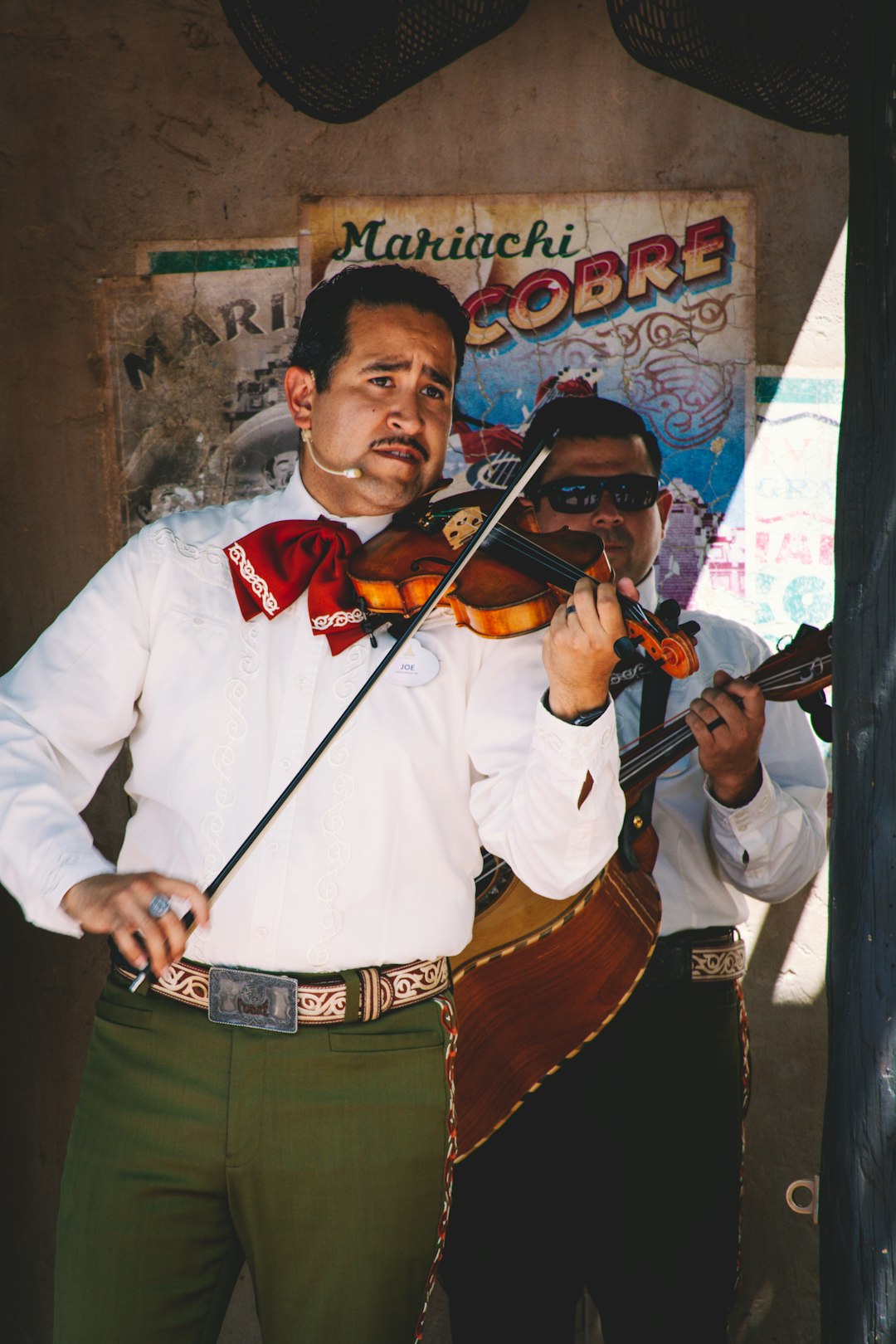
Skip the tourist brochures. If you want to find where folk dance actually lives in Florissant, you gotta know where to look — and just as importantly, you gotta know who to talk to. I've spent the lasttwo years wandering between dance studios, community centers, and the occasional church basement where live fiddles show up on a Saturday night. Here's the real deal.
The Place Everyone Mentions (But Maybe Shouldn't Lead With)
The Florissant Folk Dance Center is the easy recommendation — and it's a good one. The facilities are solid, the instructors actually know their stuff, and they've got the variety covered: Bulgarian horo in one room, Irish set dancing in another. But here's what the brochures don't tell you: the best time to go is Wednesday evenings. That's when the regulars have their open floor session, and newcomers get dragged into a circle dance before they can even put their jacket down. The energy in that room when someone nails a complicated Balkan line dance for the first time? That's actually worth experiencing.
The Hidden Gem Nobody Talks About
Dance Dynamics gets mentioned in every "best of" list, and yeah, their curriculum is tight. Structured, professional, exactly what you'd expect from a place with a waiting list. But honestly? Some of the most memorable dancing I've done in this city happened at the Florissant Community Center during their Saturday workshops.
These aren't the polished productions you'll find at the big studios. They're run by volunteers — retirees who learned folk dances decades ago and now just want to share them. The clogging instructor, a guy named Harold, used to compete professionally in the seventies. He'll tell you his knees are "80% original parts" and then proceed to demonstrate a routine that makes you realize exactly how much you've been holding back on the dance floor.
This is also where you'll meet people. Real people. The nurse who does Hungarian folk dancing three nights a week after shifts. The high school teacher who learned Irish set dancing from her grandmother and now teaches it to anyone patient enough to listen. These workshops are messy, imperfect, and exactly what folk dance is supposed to feel like.
The College Connection
The university dance clubs fly under most people's radar, but they're doing something genuinely interesting. University of Missouri-St. Louis and Florissant College both have folk dance groups that attract an unexpected mix — grad students who've never touched a dance floor alongside people who've been doing this for years.
What makes these clubs worth checking out is the experimentation. They'll try forms you'd never find at a traditional studio — contemporary folk fusion, choreographed pieces that blend traditional steps with modern music. Some of it works, some of it doesn't, but it's never boring. And because the crowd rotates every few years with new students, there's always fresh energy coming through.
Worth the Investment
Private studios aren't for everyone. They're more expensive, the scheduling requires actual commitment, and you'll be expected to practice between sessions. But if you know — genuinely know — that you want to dive deep into a specific style, the one-on-one instruction is worth the premium.
Studio 1901, tucked behind the old post office downtown, does exceptional work with international folk styles. Their instructor spent eight years in Romania learning traditional Hora dancing directly from village dancers, and that authenticity shows. The first time she led our small group through a real Hora — not the watered-down version you see at festivals, but the real circular dance that can go on for twenty minutes and leave you genuinely winded — I understood something about the art form I'd never grasped from YouTube tutorials.
The Bottom Line
Florissant's folk dance scene isn't going to make national headlines. It's not that kind of city. But it's real, it's here, and it's waiting for anyone willing to show up. You don't need special shoes or a background check or even a sense of rhythm. You just need to walk through the door.
The community center workshops are free. The college clubs are donation-based. The private studios cost what you'd spend on a nice dinner out once a month. Pick your entry point and just start.
Harold would tell you the same thing he told me on my first night: "You'll mess up. You'll step on someone. You'll do the wrong direction at least twice. That's how you learn."
He's right.