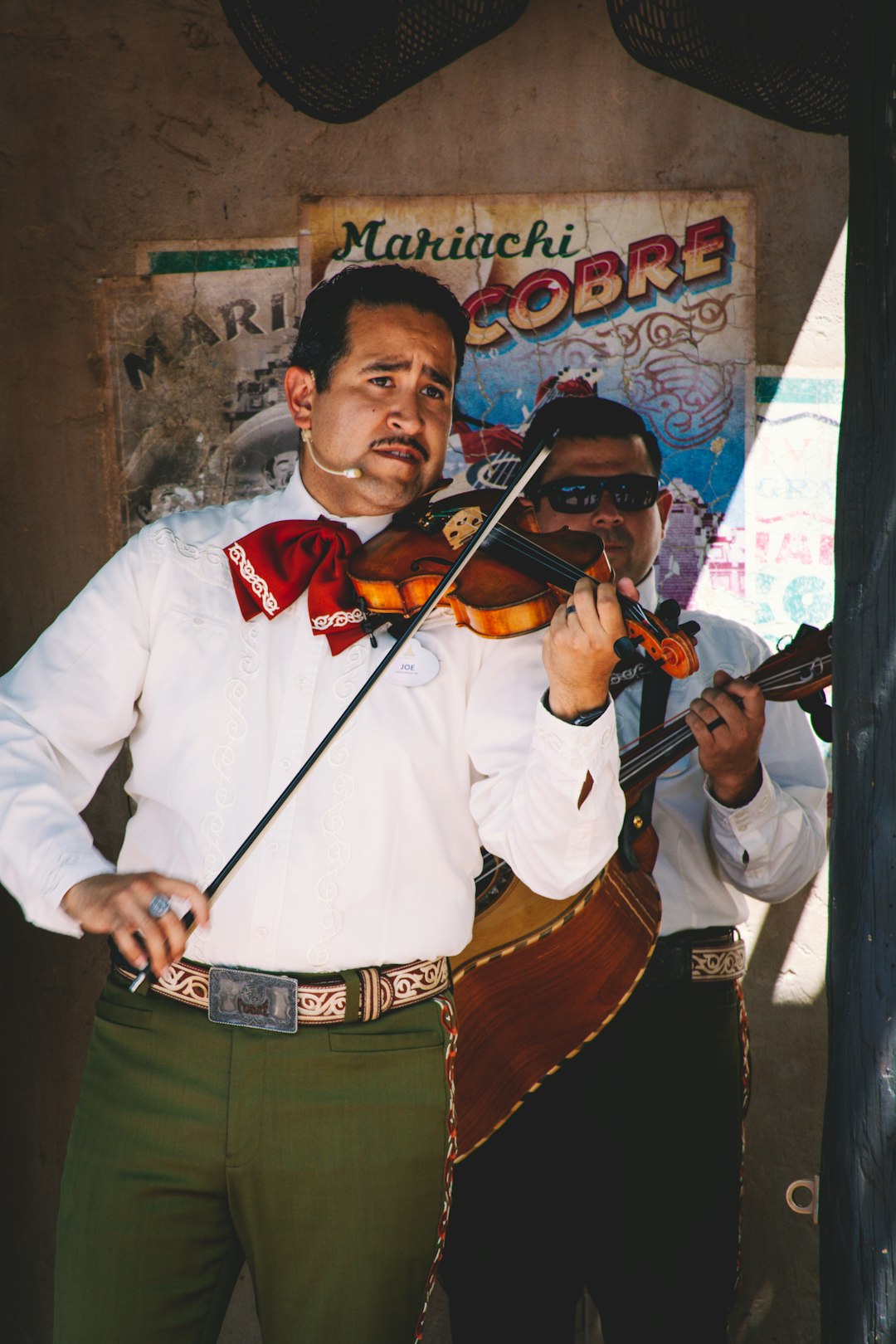
Walk into Florissant Folk Dance Academy on a Saturday afternoon and you'll hear something unexpected — polka blending into bluegrass, an Irish reels breakdown giving way to Romanian hora. That's the thing about this city: the folk dance scene here doesn't just preserve traditions, it bends them.
Here's where to find the real instruction, not just tourist-friendly performances.
Florissant Folk Dance Academy is the place most people mention first, and honestly, they earned it. The instructors here actually performed professionally before teaching — that's the difference between learning steps and learning why those steps matter. They offer classes for every age, but what sets them apart is their "cultural context" mini-lectures before each session. Fifteen minutes of background on where a dance originated, who originally danced it, and why. You leave understanding something about people, not just steps.
Heritage Dance Center feels different the moment you walk in. Smaller, more tucked away, with walls covered in photographs from their annual festivals. The owner, Maria, started dancing here at sixty and now runs the Balkan program. She'll tell you that folk dance in Florissant isn't about perfection — it's about showing up consistently. Their Irish and Balkan programs are particularly strong because they've had the same instructors for over a decade. The culture here is genuine: they'll put you in a circle and make sure you don't leave without learning at least one partner dance.
City Steps Folk Dance Studio takes the opposite approach — they're the showplaces, the ones whose troupes perform at regional festivals and actually win. If you're serious about performing, this is your spot. The training is rigorous, the expectations are real, but they produce dancers who can actually hold their own on stage. The trade-off? Less casual, more commitment. You won't wander in curious and wander out comfortable — you'll be expected to practice.
Folkloric Arts Institute is for the thinkers. Their courses go deep into history — you'll learn about migration patterns through dance evolution, economic conditions that shaped regional movement styles. One student told me she took a year-long course on Appalachian folk dance and ended up understanding more about American rural history than she ever learned in school. If you want substance over spectacle, this is the place.
Dance Traditions School is the family choice. Children's programs that don't feel like afterthoughts, parent-child classes, an annual festival that feels like a neighborhood reunion. Their summer intensive brings in instructors from out of state — some obscure traditions you won't find taught anywhere else in the region. The environment is welcoming to beginners in a way that more competitive studios aren't.
The scene in Florissant has grown significantly over the past decade, shifting from small private gatherings to a genuine community. The biggest misstep newcomers make is waiting until they "know enough" to attend their first event. Don't. Show up to any of these studios as a beginner and they'll put you in the circle — the sooner the better.