---
More Than Just Steps
There's a moment every dancer remembers — the first time the music hits and your feet just know what to do. In Lemannville, Louisiana, that moment happens inside walls that have held this town's heartbeat for decades.
I spent three days wandering through this small city's folk dance scene, and honestly? I wasn't expecting much. Another town claiming to preserve "culture." But Lemannville is different. The tradition here isn't locked in a museum — it's in the floorboards, the hands of grandmothers teaching grandkids, the sweat on the walls of century-old dance halls.
The Academy That Started It All
The Lemannville Folk Dance Academy sits on a quiet street downtown — unassuming brick building with windows that get morning light. But walk inside on a Tuesday evening and watch sixty years of knowledge get passed down in real time.
Founded in 1978 by Isabelle Dubois (who's still there some afternoons, ninety-three years old and correcting posture with a tap of her cane), the academy teaches movement that carries meaning. See, in Cajun and Zydeco dance, your body tells stories. The kick isn't just a kick — it's a response to the fiddle's call. The partner turn isn't choreography; it's a conversation happening in motion.
What struck me most: they don't just teach steps. Young dancers spend half their time in history classes, learning why certain moves exist, what they meant to the people who created them. When you understand that the "zig" in thezigzag came from French-Canadian settlers adapting to swampy ground, suddenly your whole body feels different.
Their yearly Festival of Turns — sorry, "Festival of Steps," old habits die hard — fills the downtown streets every October. I've seen dance festivals in twelve countries. This one's raw. Local families camp out, teenagers compete in categories they've choreographed themselves, and somewhere around midnight, the professionals clear the floor and let the kids take over. That's the tradition actually living.
The Troupe That Can't Stay Still
If the Academy preserves, the Bayou Folk Dance Troupe explodes tradition outward.
Antoine LeBlanc runs it — former electrical engineer who switched to dance after his forty-fifth birthday because, in his words, "spreadsheets don't sweat." His energy is immediately contagious. The troupe practices in a warehouse behind a catfish processing plant, and the space smells like swamp mud and determination.
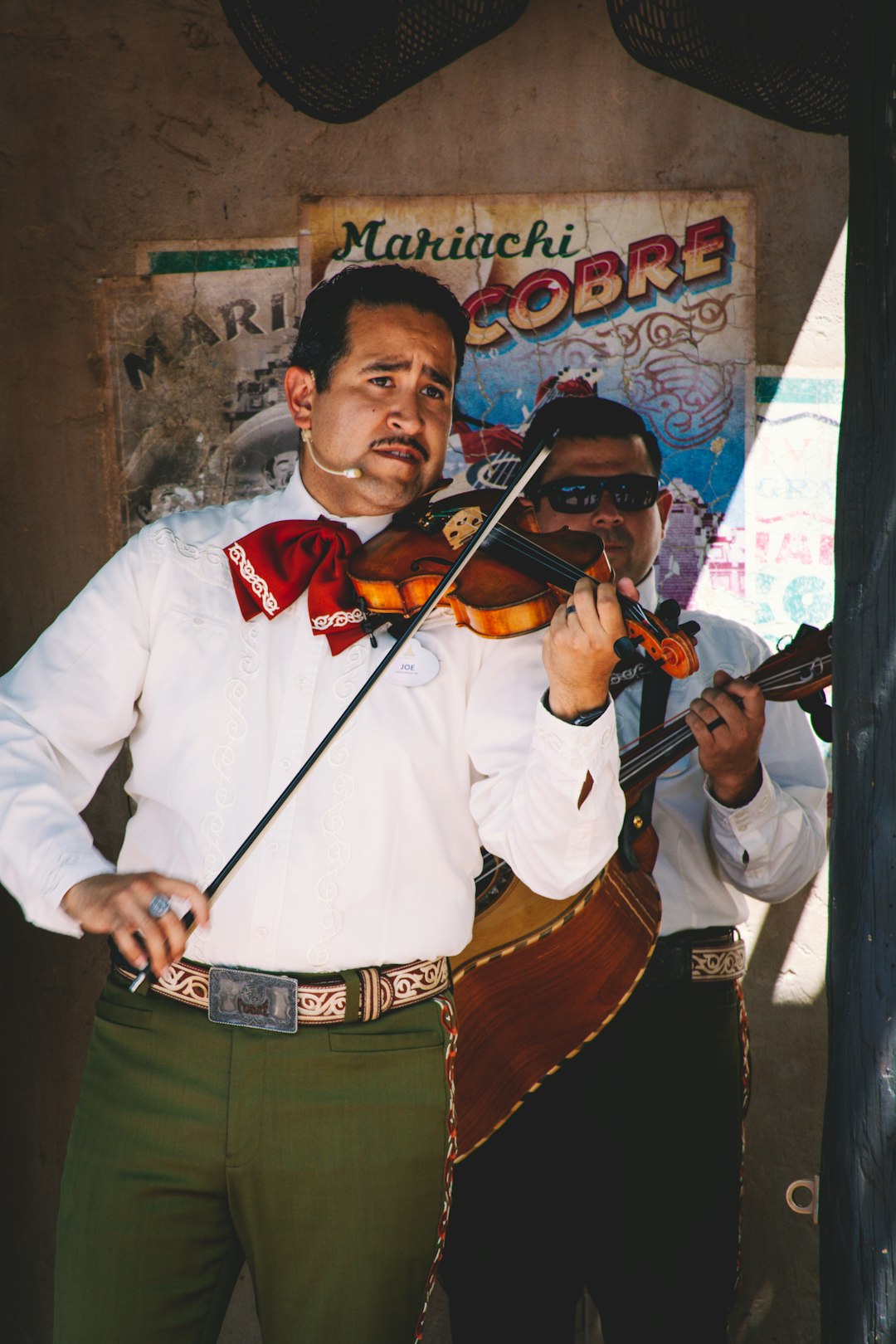
Their show "Echoes of the Bayou" isn't a traditional performance. It's controlled chaos — Cajun footwork bleeding into Zydeco accordion urgency bleeding into Creole influence that makes your chest hurt if you're paying attention. Watching LeBlanc call changes mid-song, his dancers responding like a well-oiled machine that somehow still feels spontaneous, I understood why this troupe tours internationally.
There's a clip online of their 2019 performance in Lyon, France. The French audience gave a standing ovation. The dancers were confused — they thought the translation was off. It wasn't. The body speaks a language that doesn't need translation.
The Hall That Holds Everything
Heritage Dance Hall almost didn't survive the eighties. Foundation problems, developer interest, the usual story. But a coalition of grandmothers showed up to city council with evidence of dances held continuously since 1932, and the building got landmark status that saved it.
Now it's exactly what it should be — a little rough around the edges, smelling of lemon wood polish, with a sprung wooden floor that responds to weight the way floors used to. Sunday evenings, the Serenades bring in living Cajun music, and the dance floor fills with people who remember learning these steps from people who learned from people who crossed an ocean carrying nothing but the music in their heads.
I danced there. Badly. Didn't matter. An eighty-year-old woman named Cecil took my hand and walked me through a simple progression, laughing at my attempts. "You've got the rhythm," she said. "Rhythm's the hard part. Everything else is just listening."
Why This Matters
In an era where dance gets treated as content — TikToks, competitive algorithm battles, the endless scroll — Lemannville keeps doing it the slow way. Not because they're behind. Because they figured out something the rest of us are still learning: tradition needs to move through actual bodies to stay alive.
You can watch videos. You can buy courses. But the grandmother's hand on your shoulder, correcting your weight shift, saying "No, feel the floor, the floor wants to hold you" — that doesn't upload.
If you're serious about folk dance, come here. Not to spectate. To stand in a circle, hold someone's hand, and let the music move you the way it's moved this town for generations.
The bayou's still listening. And the dance never really stopped.