---
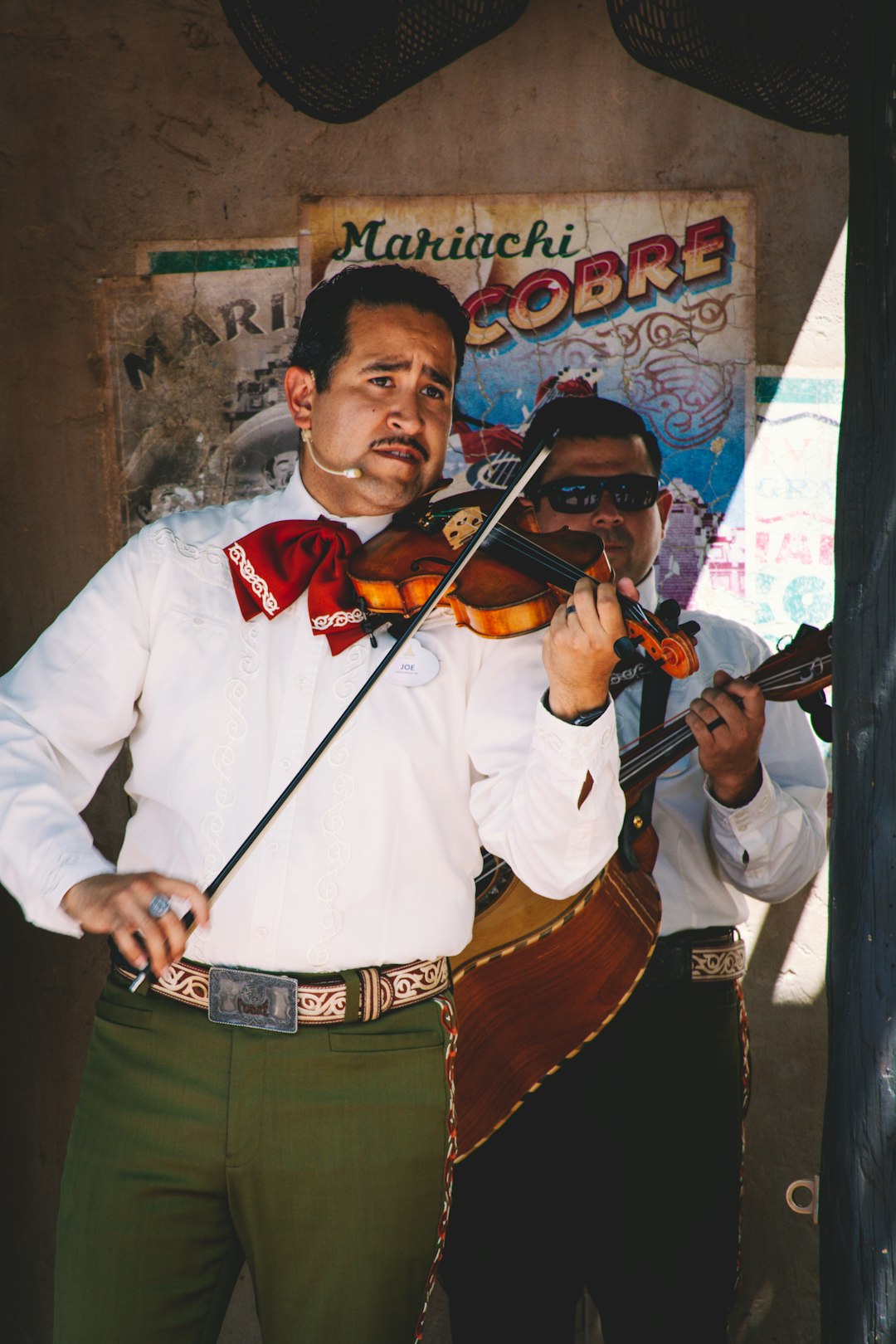
Forget what you've heard about dance capitals — Lemannville is quietly producing some of the most passionate folk dancers around, and it's happening in studios you won't find on most travel itineraries. I spent three weeks bouncing between five different dance spaces in this city, and honestly? I wasn't expecting much. What I found was a folk dance scene so alive, so unpretentious, that I almost didn't want to leave.
The Real Deal at Lemannville Folk Dance Academy
Walking into the Lemannville Folk Dance Academy feels like stepping into someone's enthusiastically organized living room — if that living room had sprung for professional sprung floors. The instructor, a gregarious woman named Mira who'd clearly been doing this for decades, caught me mid-warmup and immediately started correcting my arm position. Not in a snippy way. Just... automatically. That's how it is here.
They focus on the heavy hitters: Balkan line dances that will destroy your calves in the best way, Celtic ceildhs that make you realize why people used to dance until daylight, and Eastern European pieces that somehow feel both ancient and urgent. The facility is legit — proper flooring, mirrors that don't lie, changing rooms that don't feel like afterthoughts. Beginners aren't coddled, but they're not thrown to wolves either.
City Folk Dance Studio Knows How to Keep Things Fun
City Folk Dance Studio gets it. They're not trying to create professionals. They're trying to create dancers who actually enjoy dancing.
That's their whole vibe. Every Friday night they host open workshops where anyone can walk in, and I've never seen a group so genuinely happy to fumble through new steps together. The intermediate class I caught was learning a Romanian hora, and the instructor made everyone pair up with strangers — no exceptions. By the end, we'd all been laughing at our own mistakes together.
They also do quarterly showcases where students perform. Not competitive, not polished to a fault. Just people who've been practicing for six weeks getting up on stage. It's the most encouraging thing I've seen in a dance studio.
Heritage Dance Center Goes Deeper
Heritage Dance Center is different. They care about the why.
When I walked in, they were teaching a Serbian dance, but the first fifteen minutes were about what the movement meant in context — weddings, harvest festivals, what the foot patterns象征ized in different regions. The instructor grew up in Sarajevo and bounces between language and movement like it's nothing.
Classes here blend history and technique. You'll learn a dance step, then discuss its origins, then learn another variation from a different region. It's not for everyone — if you just want to move and not think, look elsewhere. But if you've ever wondered why certain steps repeat or what you're actually doing when your feet move a certain way, this is the place.
Folk Fusion Dance School Breathes New Life Into Old Moves
Here's where things get interesting.
Folk Fusion Dance School takes everything traditional and asks: what if we twisted it? I watched an advanced class work on a piece that started as a traditional Hungarian dance and somehow incorporated contemporary floorwork. It shouldn't work. But it did. The choreographer had a clear vision — these old forms have DNA, and she wanted to see what happened when you spliced that DNA with something new.
Beginners aren't doing fusion. They start traditional, build the foundation. But the opportunity to create — that's here. The studio hosts an annual showcase specifically for student-choreographed pieces that blend styles. Some are disastrous. Some are incredible. All of them are brave.
Community Folk Dance Collective Is Exactly What It Sounds Like
And sometimes you don't want rigor. You don't want history. You just want to move and not think about anything except the next step.
Community Folk Dance Collective is the safety net. Casual Tuesday sessions. No registration needed. Just show up, throw down ten dollars, and dance. The regulars have been coming for years, and they rotate through different folk traditions based on who's teaching that week. Some nights it's contra. Some nights it's Israeli folk. Some nights it's whatever the group decides feels right.
I met a retired accountant there who comes every week. She's been dancing for twelve years. When I asked why she keeps coming back, she shrugged: "My knees don't hurt when I dance. Everything else hurts when I don't."
---
Here's what nobody tells you about Lemannville: the folk dance community isn't pretentious. Nobody cares that you're not graceful, that you've never taken a class, that you don't know what a hora is. They care that you showed up and that you're willing to try.
That's really it. Show up. Try. The rest figures itself out.