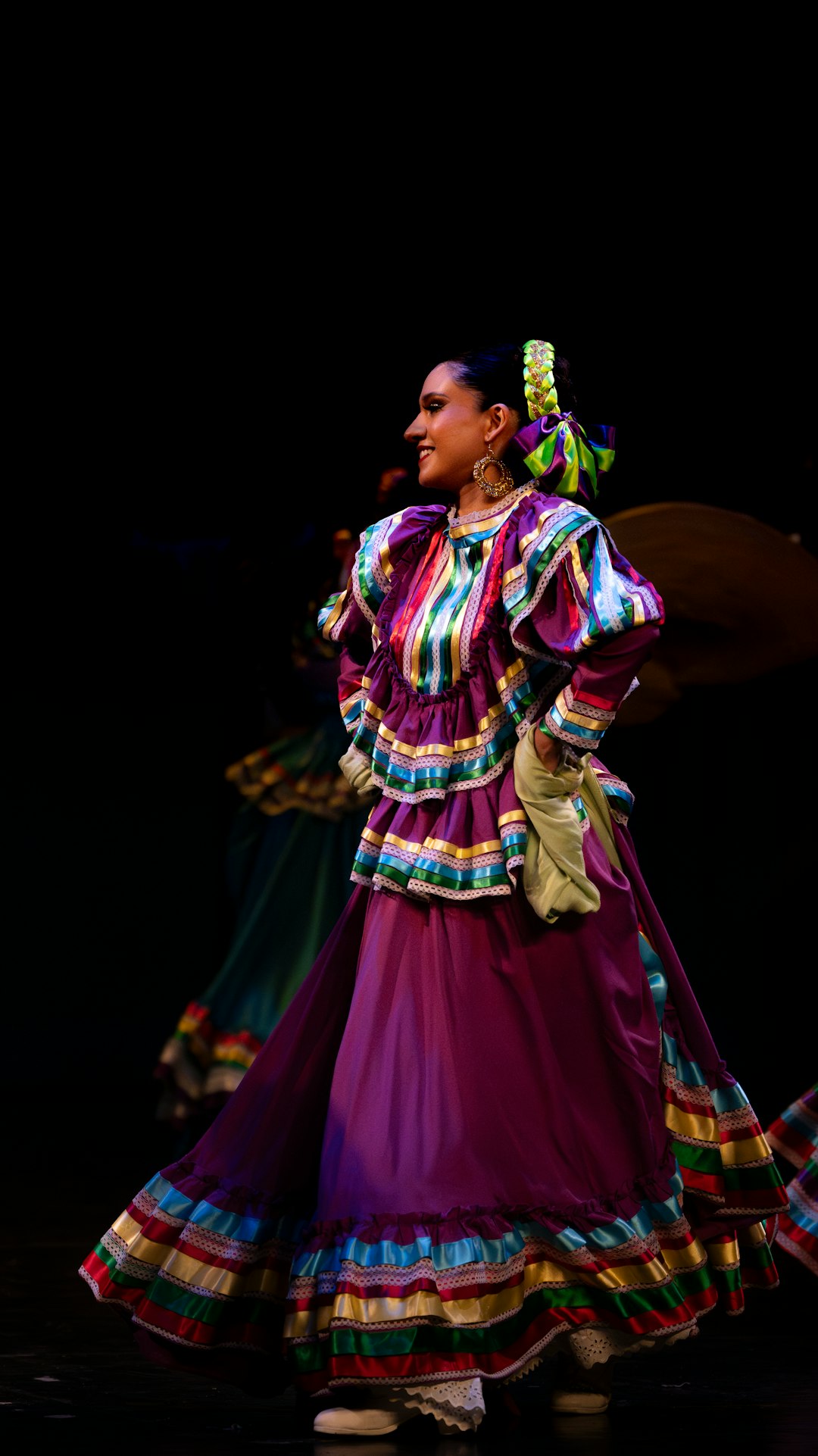
The Ouachita Mountains frame the evening sky in shades of amber and violet, and on certain nights in downtown Hot Springs, the sound of a bandoneón drifts from a renovated storefront on Central Avenue. This is not Buenos Aires, but the Argentine tango has found an unlikely and devoted home in Arkansas's spa city.
Over the past decade, Hot Springs has developed one of the more robust tango communities in the South—a scene built not by tourism boards but by dedicated instructors and students who have turned a weekly class into a full cultural ecosystem. For beginners curious about their first embrace or experienced dancers seeking a new floor, the city now offers multiple studios, regular social dances, and instructors with training traced directly to Argentina.
Academy of Tango Passion
Founded: 2016
Location: 329 Central Avenue, in a restored 1920s bank building
Lead Instructor: María Elena Voss, third-place finisher in the 2012 Metropolitan Tango Championship (Buenos Aires)
María Elena Voss opened Academy of Tango Passion after relocating from Argentina to be closer to family. Her teaching emphasizes connection over choreography—a philosophy that attracts students intimidated by tango's reputation for complexity.
Voss trained under Gustavo Naveira and Silvina Valz, two figures central to tango's pedagogical revival in Buenos Aires. Her classes progress slowly: beginners spend their first four weeks walking in parallel and crossed systems, learning to lead and follow weight changes before attempting a formal figure.
Class details: Group sessions run $20 per drop-in; a six-week fundamentals package costs $95. The academy's monthly Práctica de los Amigos draws 80 to 100 dancers on the first Saturday evening of each month. The floor is original maple, sanded and refinished in 2019.
Ole Tango Institute
Founded: 2012
Location: 140 Orie Street, in the Hillcrest Arts District
Lead Instructors: David and Rosa Cheney
David Cheney, a former modern dancer with Atlanta's Dance Truck, discovered tango during a 2008 residency in Montevideo. His wife and teaching partner, Rosa, grew up in a Colombian-Uruguayan household where tango and milonga occupied the same family gatherings as cumbia. Together they run the most curriculum-diverse program in the city.
Ole Tango is the only local academy that systematically teaches all three rhythms of the Río de la Plata tradition: tango, milonga (the faster, older precursor), and vals cruzado (tango waltz). Students cycle through eight-week blocks, though drop-ins are permitted.
The Cheneys also prioritize social dancing. Their weekly Milonga del Pueblo—held Thursday nights from 8 p.m. to midnight—includes a pre-milonga lesson and a live DJ set. Admission is $10. The crowd skews intergenerational: recent regulars range from a 19-year-old Hendrix College student to a retired vascular surgeon in his seventies.
Tango Nuevo Academy
Founded: 2019
Location: 402 Whittington Avenue, above a guitar repair shop
Lead Instructor: Jordan Reeves, with guest residencies from international artists
Jordan Reeves trained in contemporary dance at the University of Arkansas and discovered tango through contact improvisation. His studio, Tango Nuevo Academy, occupies the contested space between tango orthodoxy and experimentation.
Reeves's classes incorporate elements of modern dance, somatic practice, and even capoeira. Students learn the ocho and the boleo, but also explore off-axis movements, open-embrace variations, and non-traditional phrasing. The approach is not universally loved by traditionalists, but it has attracted a younger cohort and dancers from ballet or contemporary backgrounds.
The academy hosts quarterly guest workshops. In March 2025, Colombian choreographer Valeria Marcano will lead a weekend intensive on "Tango and Spatial Awareness." Drop-in classes are $18; the quarterly intensive runs $150 for twelve hours of instruction.
What to Expect as a Beginner
Most Hot Springs studios operate on a no-partner-required policy. Rotating partners during class is standard, though dedicated couples may opt to stay together. Street shoes are generally discouraged; smooth-soled leather or suede shoes allow the controlled sliding that tango demands. Several studios sell basic practice shoes on-site, and Academy of Tango Passion maintains a small lending closet for first-timers.
The learning curve is social as well as physical. Tango operates on an improvised, lead-follow framework rather than set patterns. Beginners often describe their first successful tanda (a set of three or four dances) as a conversation without words—