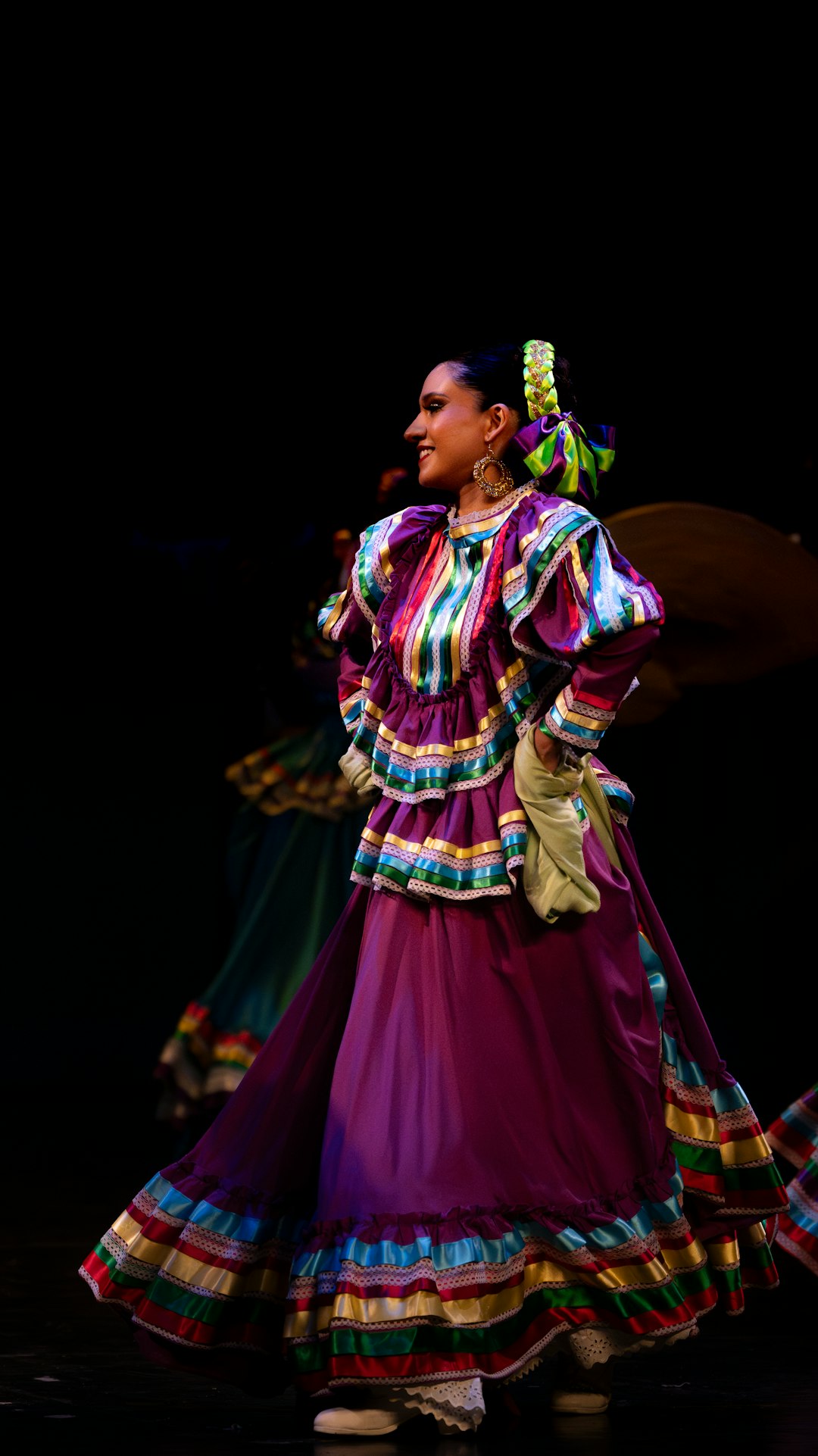
On a Friday evening in January, more than 3,000 dancers packed the waterfront arts district for Oceanside City's first city-sponsored tango festival—a clear signal that this coastal town has become a serious destination for the dance. What started a decade ago with a single milonga in a converted pier warehouse has expanded into a diverse ecosystem of schools, each with its own philosophy and specialty.
If you're looking to start tango in 2024 or deepen your practice, these five studios offer the strongest instruction across the city's most distinct approaches. Prices and logistics are included so you can do more than read—you can actually show up.
The Milonga Mansion: For Purists and History Buffs
Location: Historic district, corner of Alameda and 4th
Price: Group classes $35; monthly milonga membership $60
Best for: Dancers who want traditional Argentine technique in a period setting
The Milonga Mansion occupies a restored 1927 ballroom with original parquet floors, arched windows, and a ceiling high enough for proper volcadas. Its faculty includes 2022 Mundial champions Lucía Varela and Marco Delgado, who teach social tango as it was danced in Buenos Aires during the 1940s and '50s.
Classes are structured in six-week cycles with a strong emphasis on musicality and partner connection. The Friday night milonga regularly draws 150 dancers and opens with a 30-minute guided práctica for newcomers. Beginners' workshops typically sell out three weeks in advance, so booking early is essential.
Pro tip: Arrive at 7:30 p.m. for the pre-milonga class; it's included in the $15 evening admission and is one of the most accessible entry points for absolute beginners.
Rhythm & Soul Studio: For Fusion and Contemporary Movers
Location: Eastside Arts Complex, Studio 4B
Price: Drop-in classes $28; 10-class card $240
Best for: Dancers with backgrounds in hip-hop, contemporary, or ballet who want to cross-train
Rhythm & Soul Studio has built its reputation on collision, not preservation. Co-founders Derek Yamamoto and Ana Belén López teach a weekly "Tango Lab" that fuses Argentine fundamentals with release technique, house footwork, and contact improvisation. The studio's facilities include a sprung Marley floor, eight-channel sound system, and a video-capture wall that lets students review their movement immediately after class.
The median age here skews younger—roughly 27—and the atmosphere is closer to a rehearsal studio than a traditional milonga. There is no formal dress code, and partner rotation is mandatory in all group classes.
Standout offering: The monthly "Tango X" showcase, held on the last Thursday, features student-choreographed pieces that blend tango with everything from waacking to aerial silks.
Tango Terra Academy: For the Serious, Well-Rounded Student
Location: North Quarter, above the Rialto Theater
Price: Full-year academy program $2,400; individual courses $320/semester
Best for: Students who want historical context, stage technique, and social dancing in one curriculum
Tango Terra Academy operates the most comprehensive tango curriculum in the city. The full-year program covers tango history from the Guardia Vieja through the present, orchestral styles, stagecraft, and pedagogical training. Graduates receive a teaching certificate recognized by the Oceanside City Dance Alliance.
The academy's annual festival, Terra Encuentro, runs for four days each October and last year hosted 45 visiting instructors from Buenos Aires, Berlin, and Seoul. Academy students receive priority registration and discounted passes.
Note: The full-year program requires an audition for placement. Casual dancers can still enroll in single-semester courses without auditioning, though advanced technique classes have prerequisites.
The Embodied Tango Center: For Slow, Intimate Learning
Location: Willowbrook Wellness Collective, 2nd floor
Price: Sliding scale $20–$40 per class; no one turned away for lack of funds
Best for: Dancers processing injury, anxiety, or past negative dance experiences
The Embodied Tango Center treats the dance as a mindfulness practice first and a social skill second. Classes begin with ten minutes of somatic scanning—bringing attention to breath, weight distribution, and emotional state—before any partner work begins. Instructors are certified in both tango pedagogy and trauma-informed movement facilitation.
The studio caps all group classes at 12 students and allows dancing in close or open embrace based entirely on individual comfort. Many students here are returning to tango after years away, or arriving with no prior dance background at all.
Unique offering: The weekly "Quiet Milonga," held Sunday afternoons, prohibits speaking on the