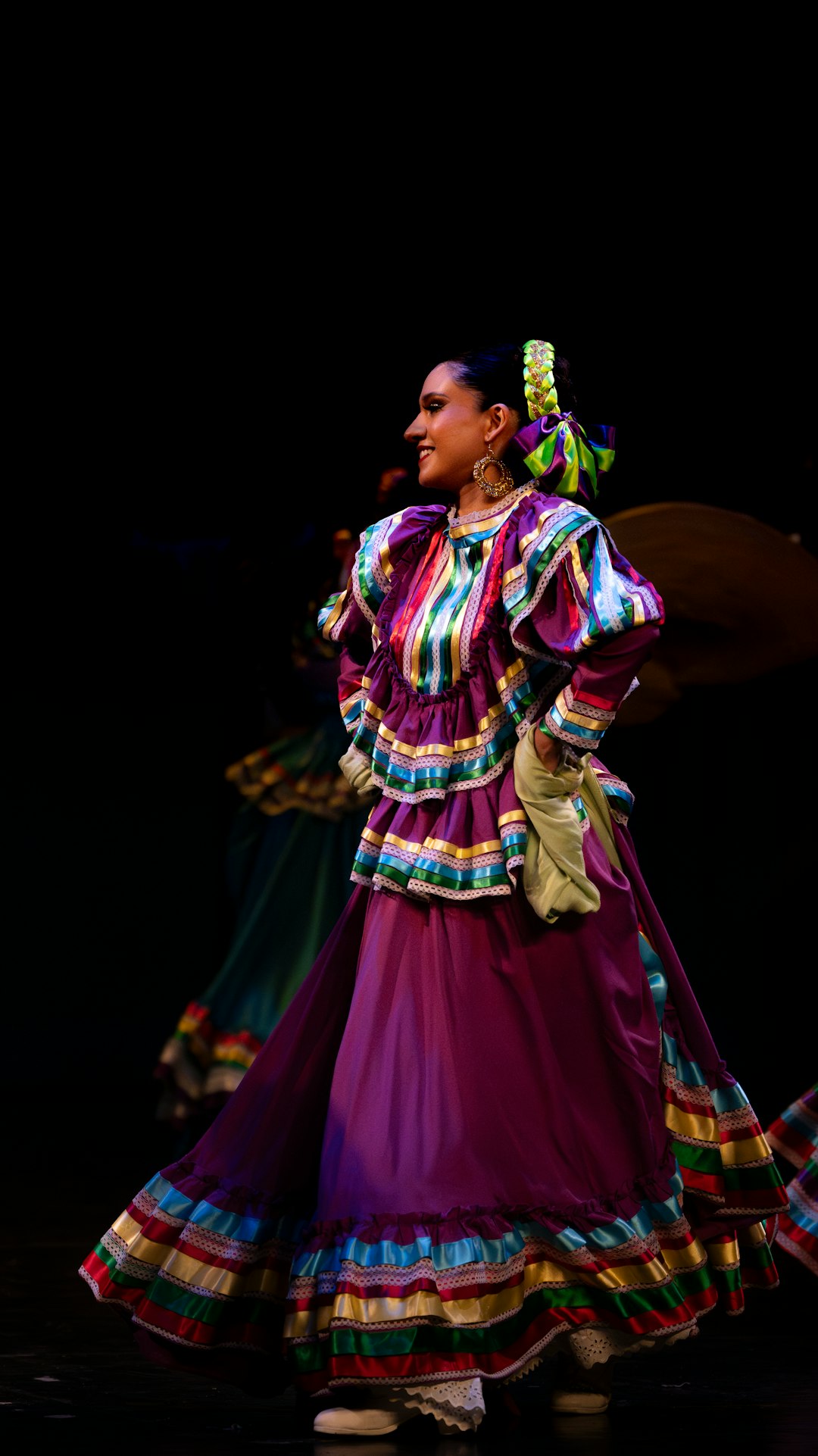
In the past three years, Black Creek City's tango community has roughly doubled in size. Studio waitlists that once cleared in days now stretch to weeks. And last October, local dancers María Yuki Tanaka and Jonas Reeves took second place at the International Tango Festival in Portland—bringing home attention that the city's instructors say has only accelerated the surge.
For newcomers, the challenge isn't finding a studio. It's choosing the right one.
From the Margins to the Mainstage
Tango emerged in the late 19th century in the port cities of Buenos Aires and Montevideo, forged in immigrant working-class neighborhoods where African, European, and Indigenous musical traditions collided. What began as a dance of the marginalized eventually circled the globe, accumulating layers of elegance and theatricality along the way.
Black Creek City's tango scene reflects that same adaptability. The city's immigrant history and strong performing-arts infrastructure created fertile ground for salon-style purists, experimental choreographers, and social dancers who simply want a weekly escape. The result is a landscape of studios with genuinely different philosophies—not interchangeable copies of the same experience.
Three Places to Start
Studio Tango Passion
Downtown, near the Lyric Theatre
Specialty: Salon-style tango with a contemporary edge
Co-founder Elena Voss, a finalist at the 2019 Buenos Aires Tango World Cup, leads the advanced program. The beginner track is taught by rotating instructors in small groups capped at eight pairs, which keeps students from hiding in the back row.
The studio's signature "Tango and Text" workshop, held monthly, pairs an hour of movement training with a lecture on tango's musical structure—how to recognize a D'Arienzo orchestra versus a Di Sarli arrangement, and why your feet should care. Drop-in beginner classes run Tuesday and Thursday evenings ($25); the eight-week fundamentals course opens monthly ($280).
Best for: Dancers who want to understand why they're doing what they're doing.
El Encuentro Tango Academy
River North, above the old textile mill
Specialty: Immersion and performance pathways
Director Alejandro Prieto built this academy on the belief that tango should be lived, not just learned. The beginner curriculum stretches across twelve weeks, twice as long as most competitors, with mandatory milonga attendance built into the syllabus. Students who stay the course often describe the experience as something closer to joining a theater troupe than signing up for a fitness class.
The performance track is where Prieto's connections pay off: advanced students regularly appear in the Black Creek Arts Festival's annual tango showcase, and several alumni have gone on to compete nationally. Classes are pricier than the city average, but the academy offers income-based scholarships for dancers under 30.
Best for: Committed students with performance ambitions—or those who want to be surrounded by them.
Casa del Tango
Eastside, off the Magnolia corridor
Specialty: Social dancing in a low-pressure environment
If Studio Tango Passion is the head and El Encuentro is the stage, Casa del Tango is the living room. Founded in 2017 by husband-and-wife instructors Lena Cho and Diego Martínez, this modest studio deliberately avoids the competition circuit. Its stated mission is to get people dancing socially as quickly as possible.
The "Survival Tango" crash course promises functional floorcraft in four weeks. Monday practicas are open to all levels, with experienced dancers rotating in as volunteer partners for nervous beginners. The crowd skews forty-and-up, though Cho notes that post-pandemic enrollment has brought in a wave of thirty-somethings looking for analog social connection.
Best for: The hesitant newcomer who wants to attend a milonga without terror.
Where to Dance: The Ballroom
No studio roundup would be complete without mentioning where students actually put their training into practice. The Ballroom, a converted warehouse in the Warehouse District, hosts La Nochera, the city's longest-running weekly milonga, every Friday from 9 p.m. to 1 a.m.
There's no formal instruction during the event, but the first hour is reserved for practica-style dancing—mistakes welcome. Live music from local tango ensemble Los Compadres appears on the first and third Fridays of each month. Cover is $15 ($20 on live-music nights), and first-time visitors can observe from the balcony for free.
What's Next
This November, Black Creek City will host its first International Tango Exchange, a four-day festival bringing instructors from Buenos Aires, Berlin, and Seoul to Studio Tango Passion and El Encuentro. Registration opens in September; beginner packages include five workshops and two milonga entries.
Elena Voss, for her part, is already preparing. "The surge after Portland caught us off guard," she said. "This