The First Time I Heard Cumbia
Picture this: you're at a backyard party, plastic cup in hand, half-paying attention to the music. Then this rolling, hypnotic rhythm kicks in — something between a waltz and a shuffle — and suddenly your feet are moving before your brain catches up. That's cumbia. It doesn't ask permission. It just grabs you.
Born along Colombia's Caribbean coast, cumbia started as a courtship dance among enslaved communities, blending Indigenous flutes, African drums, and Spanish colonial influence into something entirely its own. Today it's the backbone of parties from Mexico City to Buenos Aires. And here's the thing — you don't need years of training to join in. You need about fifteen minutes and a willingness to look a little silly at first.
Feel the Beat Before You Move a Single Foot
Most dance tutorials rush you into steps. Don't let them. Stand still, close your eyes, and just listen to a cumbia track — anything by Los Ángeles Azules or Totó la Momposina works beautifully. You'll notice the music sways between two feels: a steady, almost marching pulse and a floating, offbeat sway. That tension is what makes cumbia magnetic.
The time signature is 4/4, but it doesn't feel like a pop song. There's a clave pattern underneath — a syncopated heartbeat that the drums and guacharaca (a ridged gourd scraper) keep locked in. Tap your foot on beats one and three. Snap on two and four. Once that feels automatic, you're ready to move.
The Step Everyone Gets Wrong (And How to Nail It)
Here's the basic cumbia step, stripped to its bones:
- Feet together. Weight centered.
- Step forward with your right foot onto the ball of your foot — not a flat stomp, more like you're testing hot sand.
- Bring your left foot to meet the right, but place it slightly behind, almost touching the heel of your right foot.
- Step back with your left foot, same ball-of-foot landing.
- Bring your right foot to meet the left, slightly behind again.
You're essentially tracing a tiny oval on the floor. Forward, together. Back, together. The mistake beginners make? Stiffening up and turning it into a mechanical march. Let your knees stay soft. Let your hips follow the sway naturally — think of how you'd walk through a gently rocking boat, adjusting with each step.
Your Arms Aren't Decorations — They're Half the Conversation
Watch experienced cumbia dancers and you'll notice the arms are doing as much storytelling as the feet. Here's a starting framework:
- **Your right hand** stays roughly at chest height, palm facing down, tracing slow circles in the air like you're gently stirring a pot. Match the circles to the rhythm.
- **Your left hand** floats out to the side, palm up, rising and falling as if you're letting a butterfly land and take off from your palm.
That said, don't robot-ify it. These are suggestions, not rules. Some dancers keep their arms low and relaxed. Others gesture dramatically. The point is that your upper body should look alive, not like you're standing in an elevator waiting for your floor.
Dancing With a Partner: Less Choreography, More Listening
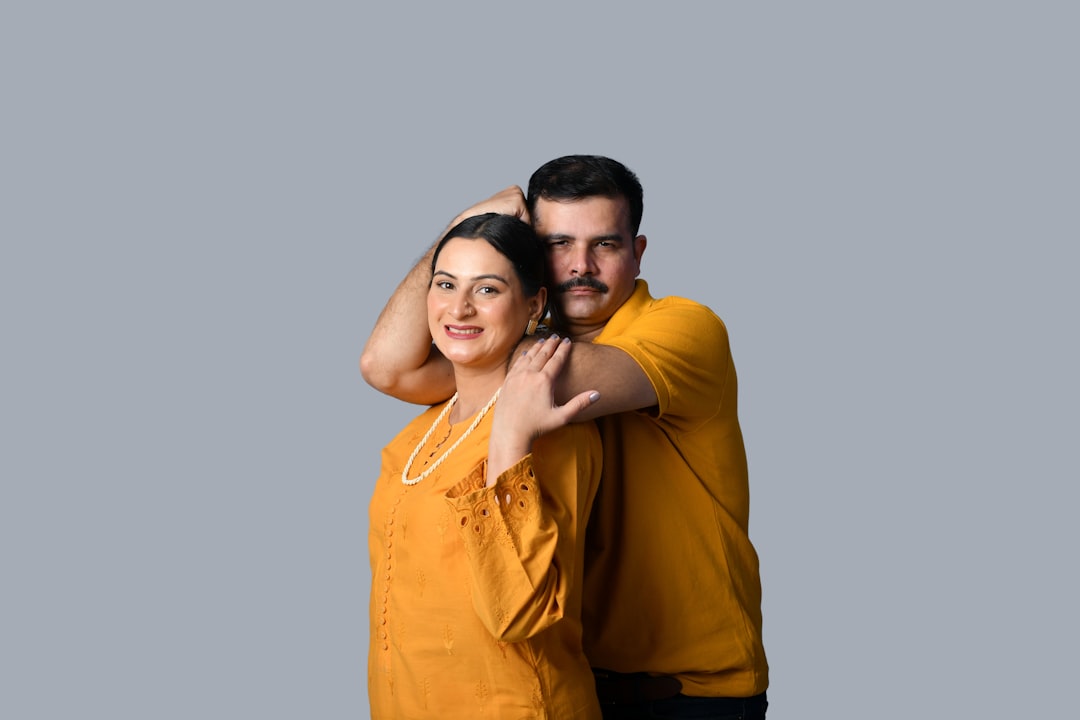
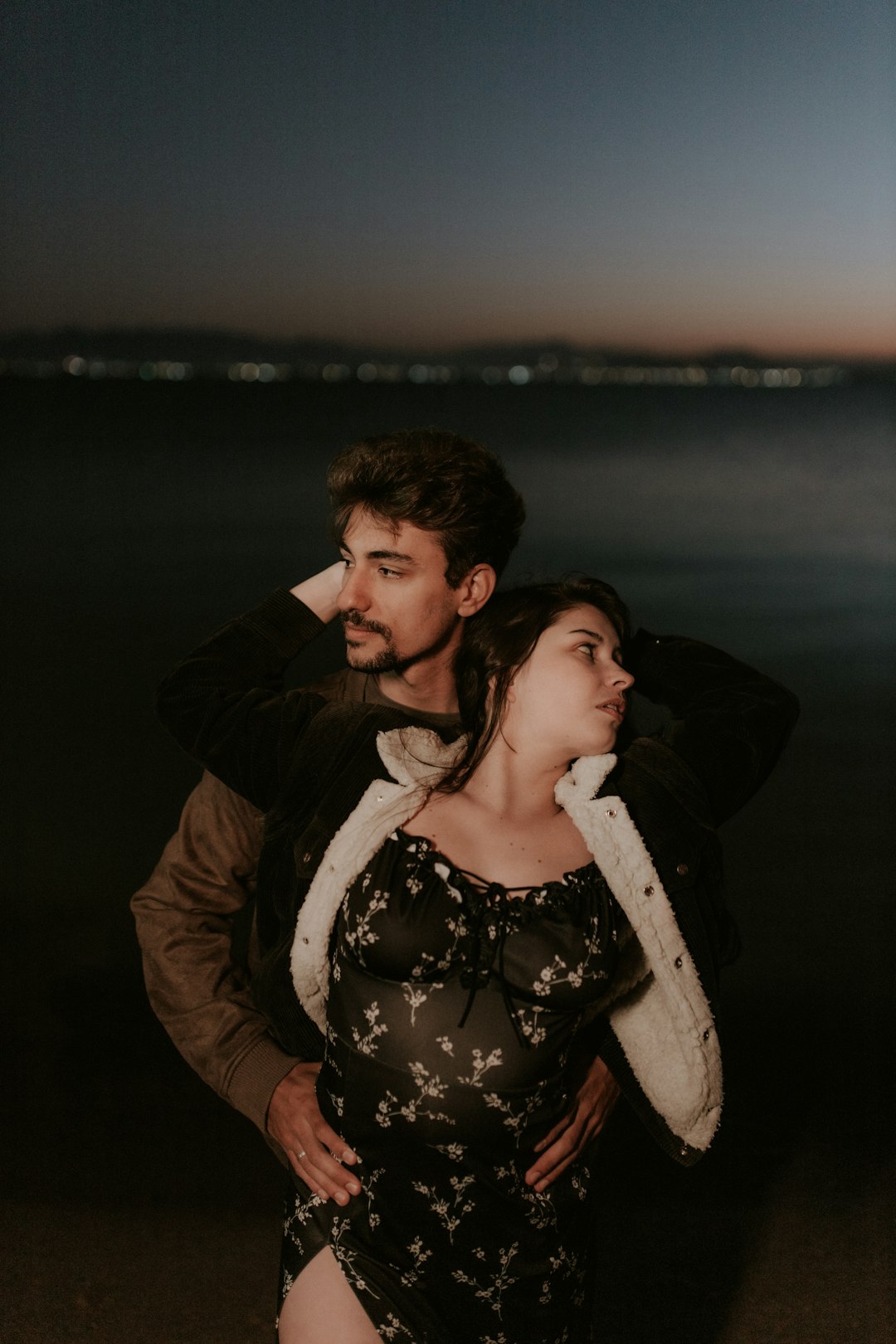
Cumbia with a partner is a conversation, not a script. The leader (traditionally the man, but swap roles however you like) guides with subtle pressure and weight shifts. The follower reads those signals and responds.
The basic hold: Leader's right hand holds the follower's left at about shoulder height. Leader's left hand rests on the follower's right shoulder blade — not gripping, just resting, like you're keeping a door from closing.
The golden rule: If you have to muscle your partner into a turn, you're doing it wrong. A turn should feel like opening a revolving door — gentle push, and they spin themselves. Start with simple quarter-turns before attempting anything flashy. Seriously. Ego is the enemy of good cumbia.
How to Actually Get Better (Without Losing Your Mind)
Listening advice gets repeated constantly, so here's what actually moves the needle:
- **Dance to full songs, not just snippets.** Your body needs to ride out the slower verses and catch the energy shifts in the chorus. Three full songs a day beats thirty minutes of drilling steps in silence.
- **Film yourself.** Nobody likes this. Everybody needs it. You'll spot stiffness in your shoulders and timing gaps you never felt in the moment.
- **Find a social dance night.** Many Latin venues have a cumbia hour or a dedicated room. Watching experienced dancers at close range teaches more than any YouTube tutorial. Plus, most regulars are thrilled to dance with beginners — it's how the tradition stays alive.
- **Stop counting steps out loud by week two.** Counting is a crutch for the first few sessions. After that, force yourself to listen instead. Your feet will figure it out.
One Last Thing
Cumbia isn't just steps and rhythms. It carries the memory of people who turned oppression into celebration, who built something joyful from nothing. When you dance cumbia, you're plugging into a current that's been flowing for centuries. That's not a burden — it's a gift.
So clear some space in your living room, queue up "Cumbia Sobre el Río," and give yourself permission to be a beginner. The rhythm will meet you halfway. It always does.