Your First Cumbia Lesson Might Surprise You
I still remember my first cumbia class. The instructor put on a song, and everyone around me started moving like they'd been born doing this. Me? I looked like a robot trying to sync with a malfunctioning GPS.
That was six years ago. Now I can't stop dancing it.
Cumbia is that rare dance that looks impossibly elegant from the outside but rewards you the moment you start moving. It doesn't demand years of training or contortionist flexibility. It asks only one thing: that you listen.
The Secret Is in Your Feet (But Not Where You Think)
Here's what nobody tells beginners: cumbia's basic step is basically a sideways walk with attitude.
Step right. Bring your left foot to meet it. Step left. Bring your right foot to meet it. That's it.
But—and this is the part that transforms beginners into dancers—that subtle hip sway you add? That's where cumbia lives. Without it, you're just walking sideways. With it, you're dancing.
The first few times you try, the hip movement will feel awkward, almost exaggerated. Stick with it. Within a few sessions, your body will find the groove naturally. I still remember the session when everything clicked—I was dancing in my kitchen, and suddenly my feet and hips synchronized without me thinking about it. That's when you know you're getting it.
Finding a Partner Changed Everything
I spent the first three months dancing alone, practicing the footwork in my apartment, feeling pretty good about myself. Then I went to my first cumbia social. Everyone was paired up, spinning and smiling, moving together like they shared one heartbeat. I panicked.
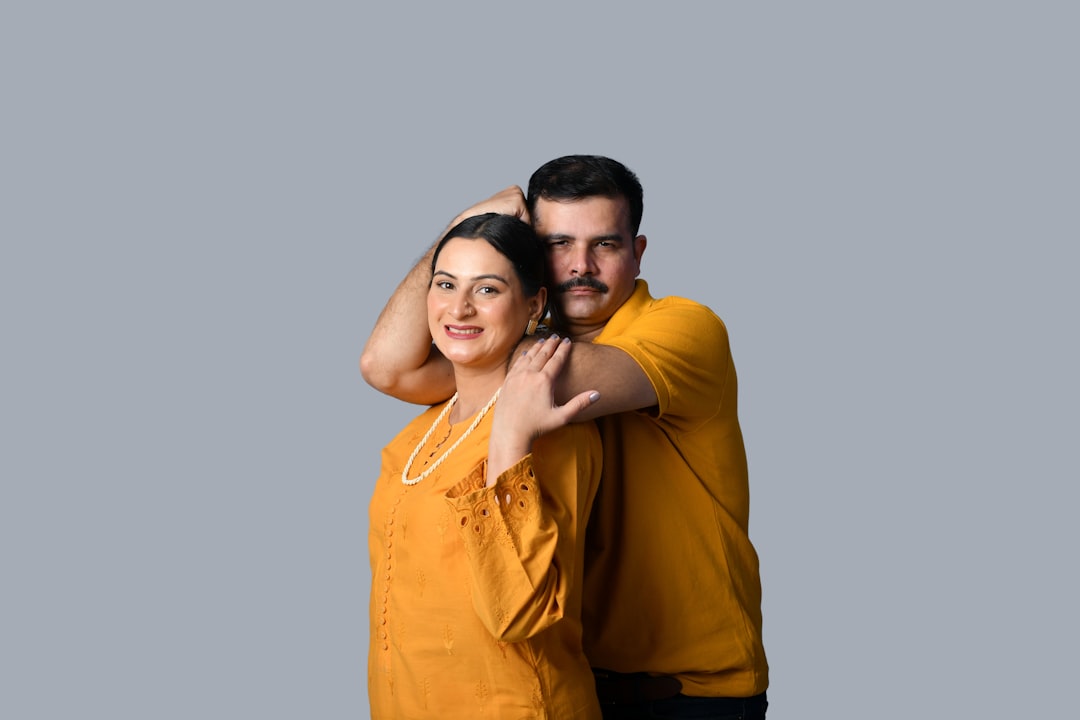
But here's the thing about cumbia partners: they want you to succeed. The dance culture is generous. Leaders guide gently, followers trust, and mistakes are just funny stories you share later over drinks.
The key is in the connection. Not gripping your partner's hand like you're afraid they'll run away—firm but conversational. Think of it as having a dialogue through movement rather than giving orders. A good lead communicates through the pressure of their fingers and the direction of their body weight. A good follow stays soft in the arms but grounded in the feet, ready to respond to whatever the music offers.
Turns Are Where Cumbia Gets Fun
Once the basic step feels like breathing, it's time to play.
The basic turn in cumbia is deceptively simple: as you step right, pivot on your left foot and rotate 180 degrees. Your right foot catches you, you step left, pivot again.
It sounds mechanical. When you do it right, it feels like spinning through honey—smooth, controlled, almost meditative.
The partner spin is where cumbia becomes a conversation. One person steps back and spins; the other steps forward and spins opposite. You separate, then reunite, like a wave pulling back and crashing forward. The first dozen times I tried partner spins, I got dizzy and lost my balance. Now I do them without thinking. The trick is to keep your eyes on a fixed point as you turn—it keeps your inner compass steady.
Feel the Music, Don't Just Count It
Here's where most beginners go wrong: they count steps in their heads.
"Step, together, step, together, one two three four..."
Cumbia doesn't work that way.
The music wants to guide you. The clave rhythm—the heartbeat underneath most cumbia songs—has a specific groove. Once your body catches that pulse, your feet stop following instructions and start having a conversation with the song.
Listen to classic cumbia artists—let the old-school bands teach you how the rhythm breathes. Then put on modern cumbia and feel how the energy shifts while the heartbeat stays the same. That's the difference between dancing to music and dancing with it.
What Nobody Warns You About
Cumbia will infiltrate your life in ways you don't expect.
You'll start hearing the rhythm in songs that aren't even cumbia. You'll tap your foot during meetings. You'll catch yourself swaying while waiting in line at the grocery store.
That's not a bug—it's the whole point.
The dance rewards consistency over perfection. Miss a step? Keep going. Forget a turn? Add a little extra hip action and nobody will notice. Cumbia doesn't punish mistakes; it absorbs them into the groove.
So Here's My Invitation
You don't need expensive shoes, a flexible body, or a natural sense of rhythm. You don't even need a partner.
You just need one song and ten minutes of willingness.
Find a local cumbia night, take a beginner class, or just play a song in your room and start stepping. The dance will meet you where you are.
Trust me—your first cumbia lesson might surprise you. And six years from now, you might be writing about how it changed the way you move through the world.