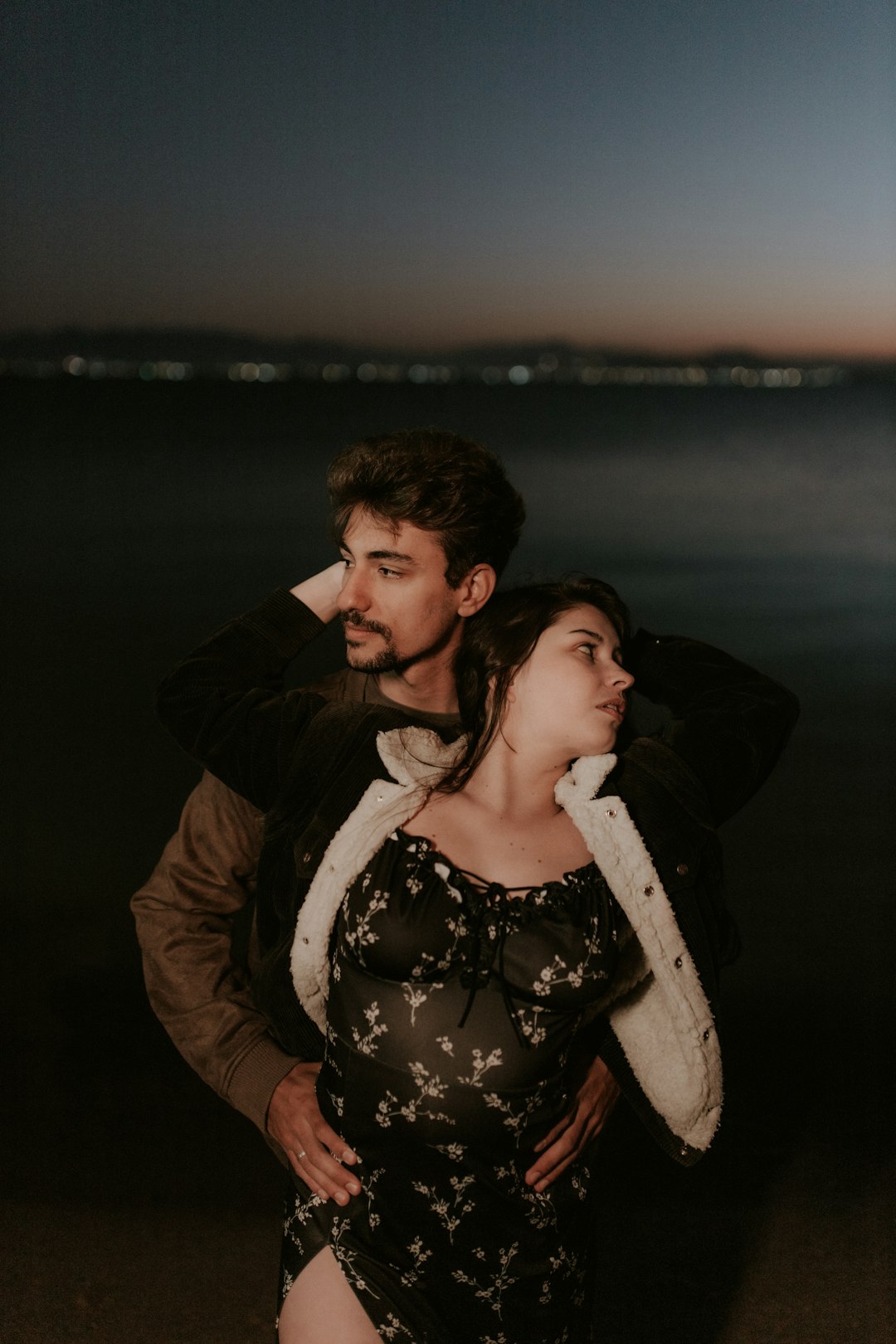
The Dance That Doesn't Care About Perfection
My friend Maria dragged me to a cumbia night three years ago. I told her I had two left feet and zero rhythm. She laughed, handed me a beer, and said, "Good. Cumbia doesn't want your perfection. It wants your hips."
She wasn't wrong. Within twenty minutes, I was moving. Not well, mind you, but moving — and grinning like an idiot. That's the sneaky magic of cumbia. It slips past your self-consciousness before you even realize what happened.
What's Actually Happening When Cumbia Music Plays
Picture a late-1960s Colombian coastal town. African drum patterns are colliding with Indigenous flute melodies, and somewhere in that collision, cumbia found its heartbeat. The rhythm sits in 4/4 time, but it doesn't feel mechanical. There's a sway built into it, a looseness that practically forces your body to respond.
You don't need to know the history to dance it. But knowing that cumbia was born from people mixing cultures and making something joyful out of it? That spirit still lives in every step.
Your First Night on the Floor
Forget memorizing fifty moves. Cumbia rewards the basics done well over flashy footwork done badly. Here's what you actually need on night one.
The Foundation Step
This is the bread and butter. You'll do this all night long, and somehow it never gets boring because the music keeps pulling you deeper in.
The lead steps forward left on beat one, drops back right on two, back left on three, and forward right on four. The follow mirrors it — back right, forward left, forward right, back left. That's it. Eight weight shifts that somehow feel like a conversation.
The trick nobody tells you: let your hips follow your feet naturally. Don't force the hip movement. Your feet transfer weight, your hips respond. It's physics, not choreography.
Adding the Side Shuffle
Once the foundation feels like breathing rather than counting, layer in lateral movement. Step left, together, left, together — then right, together, right, together. Keep it close to the ground. You're gliding, not marching.
The Cross-Body Lead
This is where cumbia stops being a solo exercise and becomes a partnership. The lead steps forward, opens a lane, and gently guides the follow across their body using a subtle hand signal. The follow reads that signal, walks through the lane, and arrives facing the lead again.
Sounds clinical. Feels electric. When it clicks — when both partners hit that handoff cleanly — there's a tiny rush of "we did that" that keeps people coming back week after week.
Three Things That Actually Help
Shoes matter. Not expensive shoes — just the right ones. Smooth soles that let you pivot on a wood floor. Sneakers with rubber grips will fight you every step. I learned this the hard way at a rooftop party in knee-high boots. Don't be me.
Dance with different people. Every partner teaches you something new. Someone with a lighter lead forces you to pay closer attention. Someone with a heavier follow makes you commit to your signals. Variety isn't just fun — it's training.
Listen before you move. Spend the first thirty seconds of any cumbia song just hearing it. Where's the accent? What's the bass doing? Once your head starts bobbing on its own, your feet have permission to follow.
The Part Nobody Warns You About
You're going to step on toes. You're going to lose the beat mid-song and scramble to find it again. You'll watch someone across the floor pulling off moves that look impossible and feel a hot flash of inadequacy.
Then the next song starts, and you forget all of it because your partner's hand is in yours and the accordion just hit a riff that vibrates through the floorboards, and suddenly your body knows exactly what to do. No thinking required.
That moment — that sweet spot where your brain shuts up and your feet take over — is why cumbia has survived centuries, crossed oceans, and filled dance floors from Bogotá to Berlin. It doesn't ask you to be a dancer. It just asks you to move. The dancer part shows up on its own.